
以明确墨线包围朱红、青蓝和米白的平面色块,局部将原有水纹、植物和衣褶转为紧凑的装饰节奏。
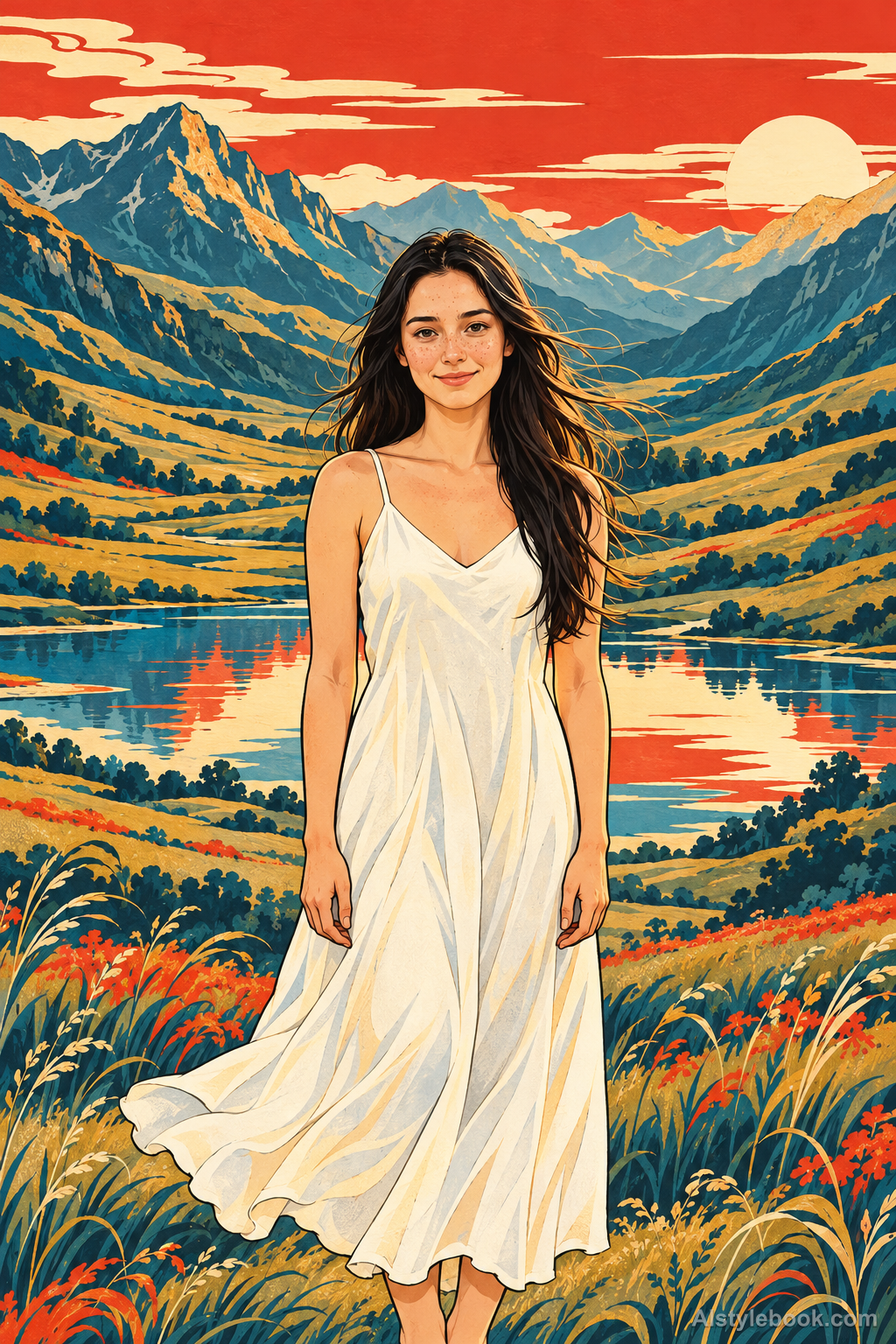
人物风格效果
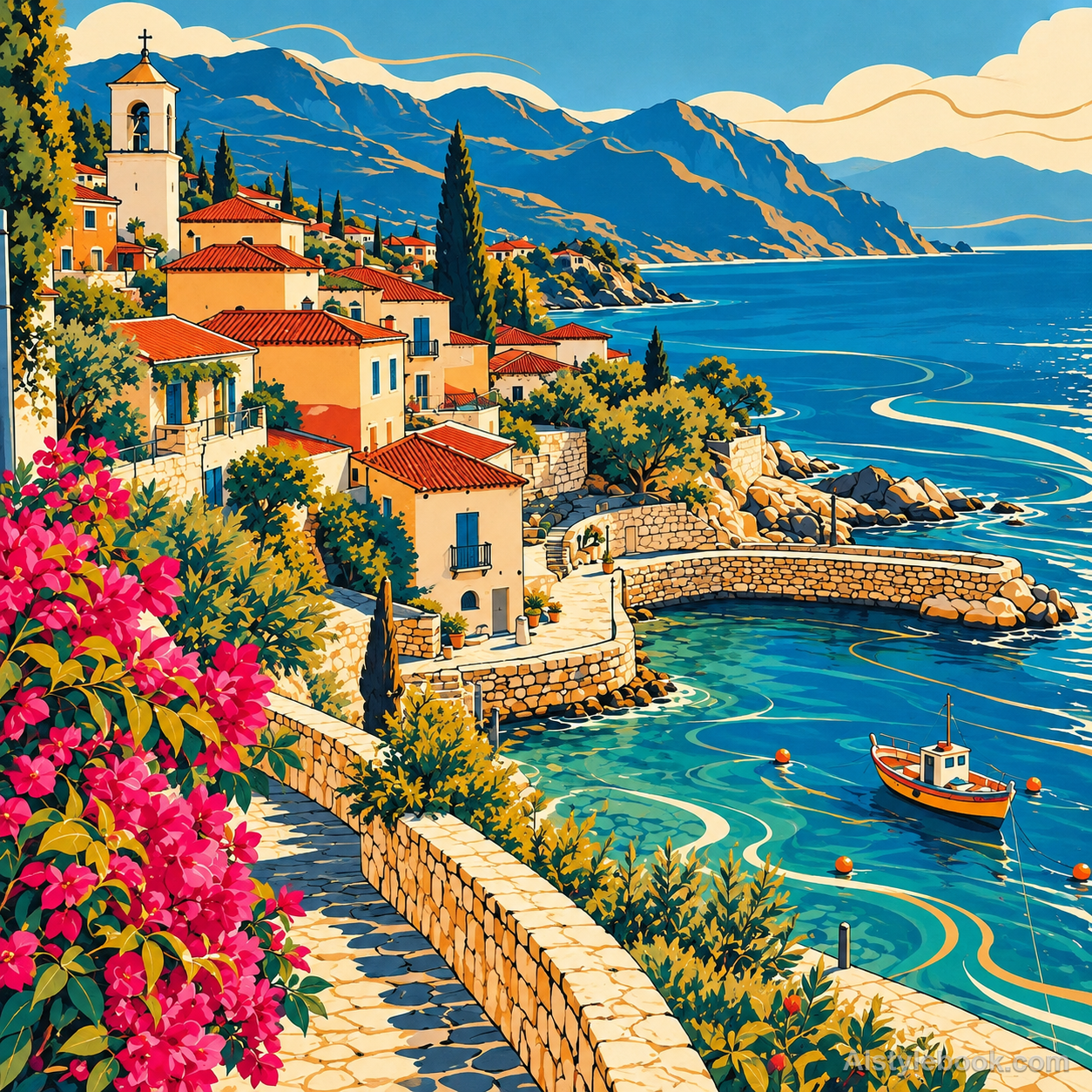
风景风格效果
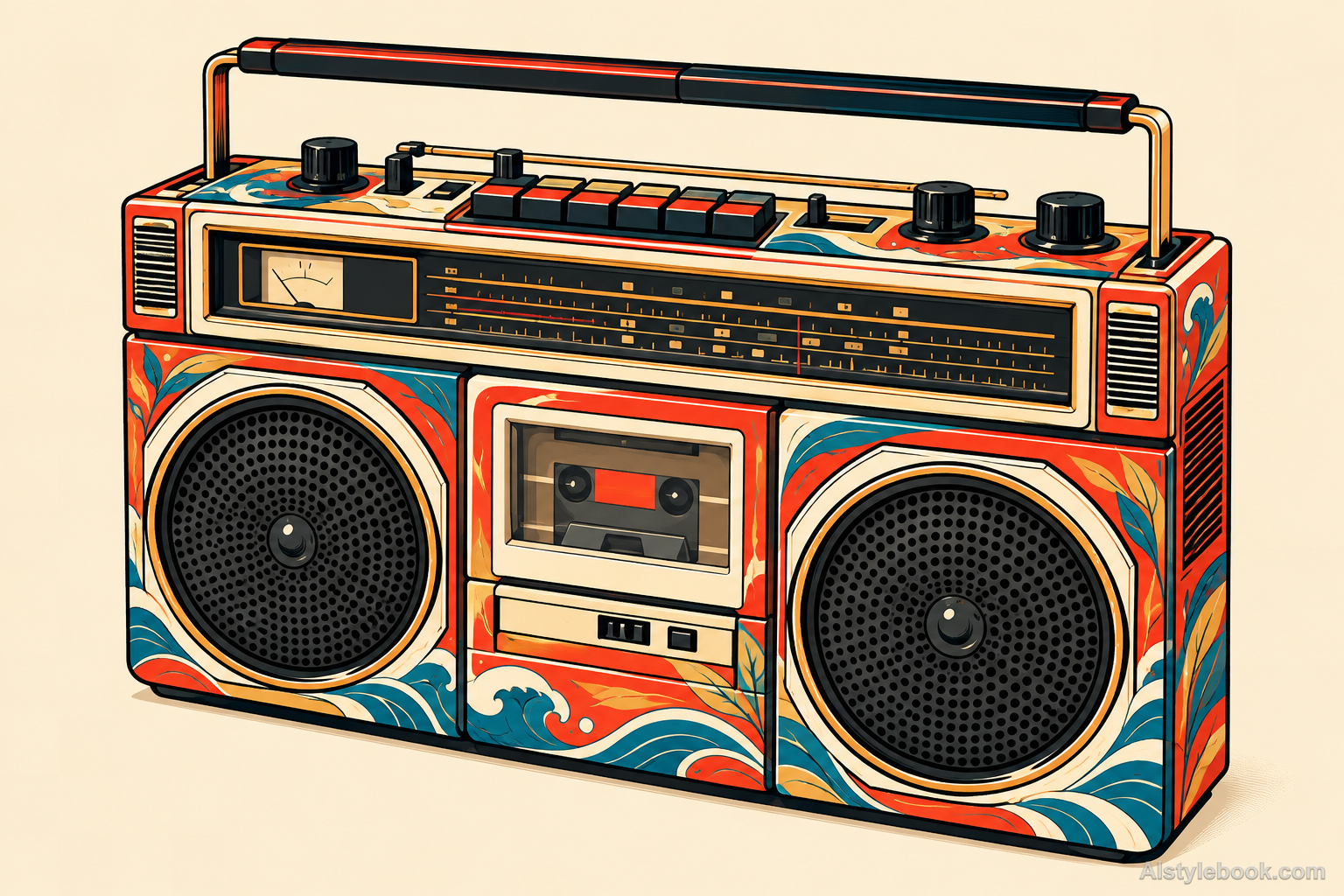
物品风格效果
认识风格
平面国潮插画是什么
以明确墨线包围朱红、青蓝和米白的平面色块,局部将原有水纹、植物和衣褶转为紧凑的装饰节奏。颜色鲜明,结构清楚,纹样服从原图主体。
平面国潮插画将传统色、线与纹样用于当代图形组织,装饰应从主体结构发展,而不只是额外贴上文化符号。
例如江水的弯线转成一组重复青蓝波纹,与朱红屋顶形成对照,景物便能清楚而有装饰节拍。
不同主体的表现
- 人物
- 发型、衣饰和姿态由装饰线与鲜明设色强调,人物更有插画造型感。
- 风景
- 建筑、山水与植物变为层次清楚的装饰色面,空间更平面化。
- 物品
- 器物轮廓与纹样成为重点,颜色和局部饰线统一整体气质。
- 建议主体
- 优先选衣饰清楚的人物、花鸟、建筑或纹样明确的器物,让线条与色面各有展示空间。
把风格带入你的照片
平面国潮插画的可复用风格提示词
Retain the original subject, clothing and scene arrangement. Redraw as contemporary graphic guochao illustration with crisp moderately weighted dark contours and flat vermilion, cyan-blue, warm cream and restrained gold-ochre fields. Derive decorative wave bands, leaf shapes and curved line rhythms only from water, vegetation, fabric folds or structural panels already present. Keep ornament contained within a few source regions and leave clear breathing space around identifying features. Make color contrasts bold and outlines decisive. Do not add dragons, phoenixes, seals, Chinese text, temples, old-fashioned costume, gold foil, arbitrary cultural emblems or dense all-over pattern.人物、风景与物品共用这份风格提示词。
用这个风格创作继续探索


