
简化的叶形、花瓣与弧形块面围绕主体形成有节制的重复,赭黄、砖红和深蓝在米白底上保持朴素对比。
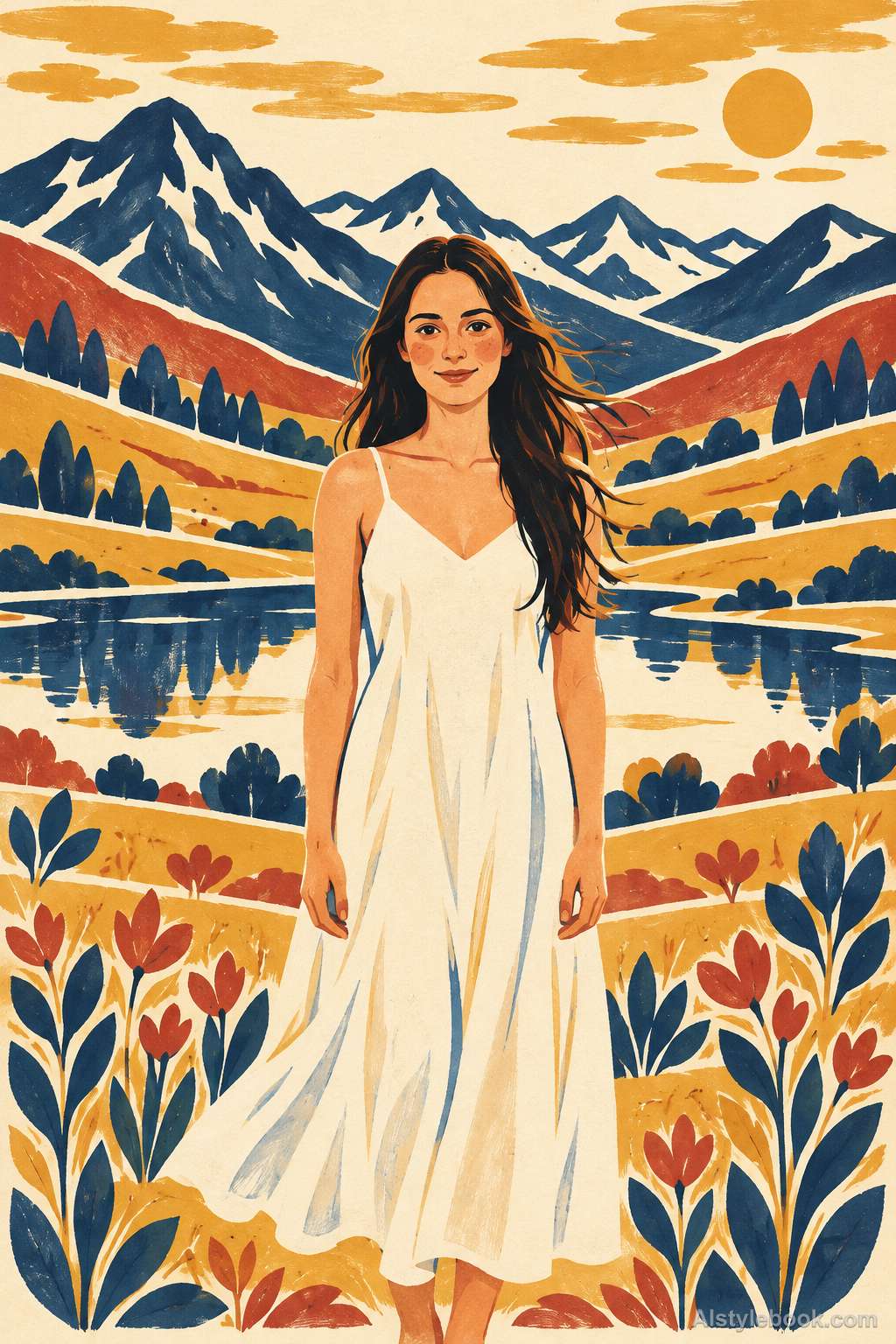
人物风格效果
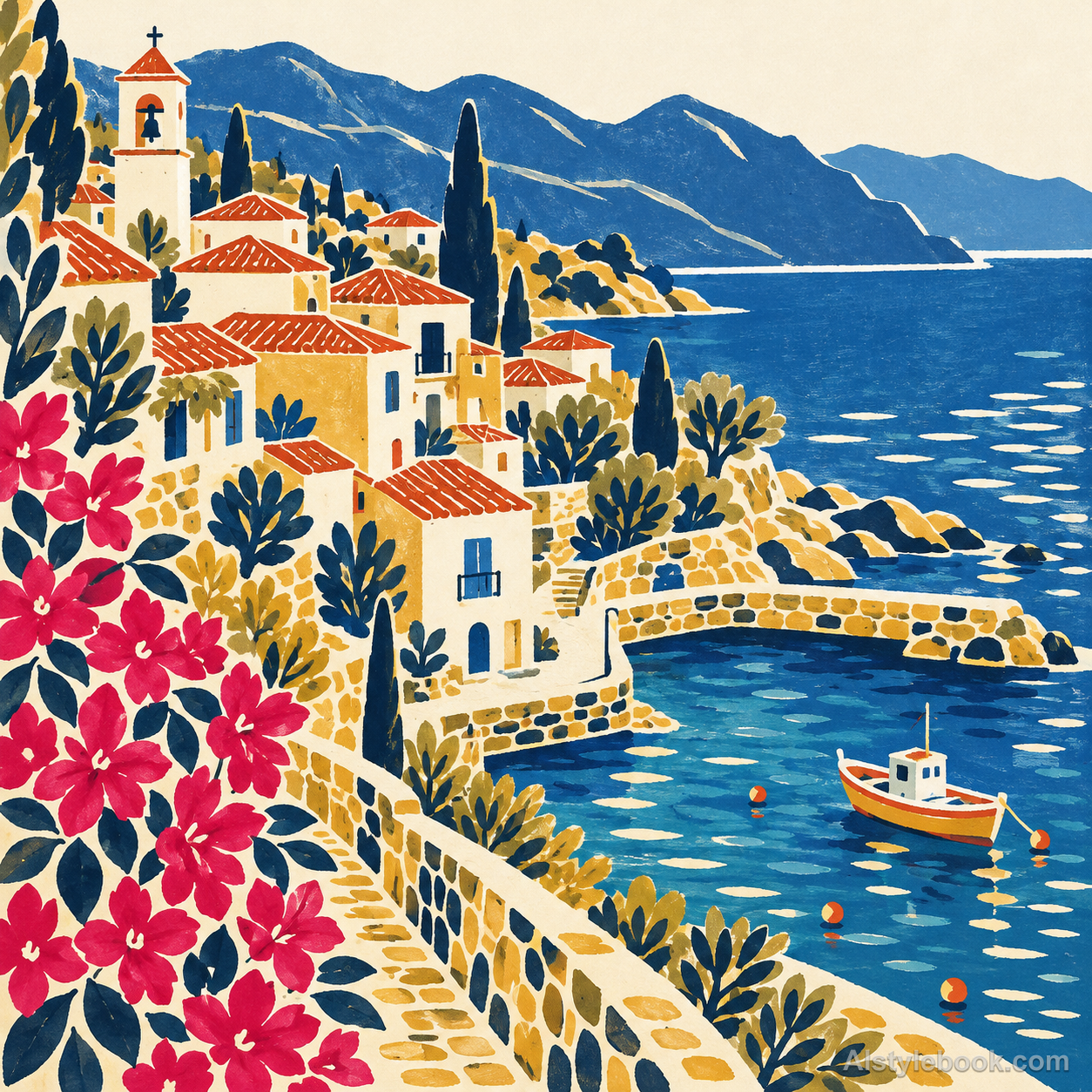
风景风格效果

物品风格效果
认识风格
北欧民间装饰插画是什么
简化的叶形、花瓣与弧形块面围绕主体形成有节制的重复,赭黄、砖红和深蓝在米白底上保持朴素对比。图案由原有植物与形体结构转化。
北欧民间装饰灵感强调简化植物、重复秩序与朴素色差,地方传统并不只有一种图案公式。
例如几枚叶形围着主体成松散对称,砖红花瓣与深蓝茎线交替,图像便有家居织物般亲近的节奏。
不同主体的表现
- 人物
- 衣物与发型变成有节奏的装饰纹样,人物更平面,姿态仍保持可读。
- 风景
- 树木、花叶与建筑形成重复图形,空间更像连续装饰画面。
- 物品
- 器物轮廓内部填入植物、线条或几何纹样,材质让位于图案节奏。
- 建议主体
- 优先选花鸟、枝叶、服饰人物或简洁器皿,主体轮廓清楚时纹样不容易压过形象。
把风格带入你的照片
北欧民间装饰插画的可复用风格提示词
Retain the source identifying forms and arrangement. Interpret them through restrained Nordic folk decorative illustration: broad simple leaf and petal silhouettes, rounded arches, sparse mirrored repetitions and clean flat silhouettes. Use a limited palette of brick red, ochre yellow, navy and ivory. Derive pattern from existing foliage, folds and component divisions; keep human features and object structure clear. Let larger empty ivory passages separate motifs. Use slight hand-painted edge irregularity without dense textile weave or continuous vines. Do not add unrelated flowers, animals, cultural symbols, captions, decorative borders or new accessories.人物、风景与物品共用这份风格提示词。
用这个风格创作继续探索


