
整齐十字棉线针脚覆盖方格绣布,孔洞与捻纹可见,色块形成清晰阶梯轮廓。
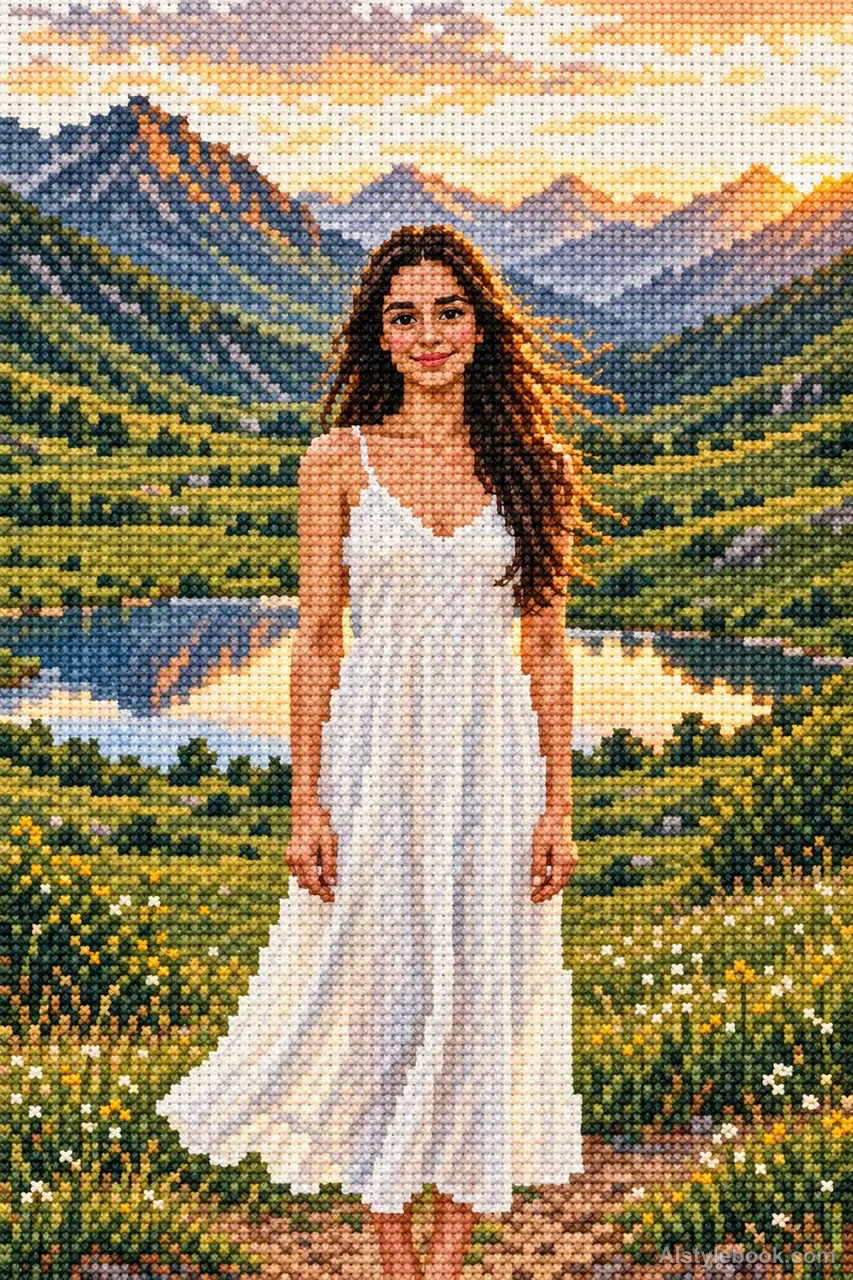
人物风格效果
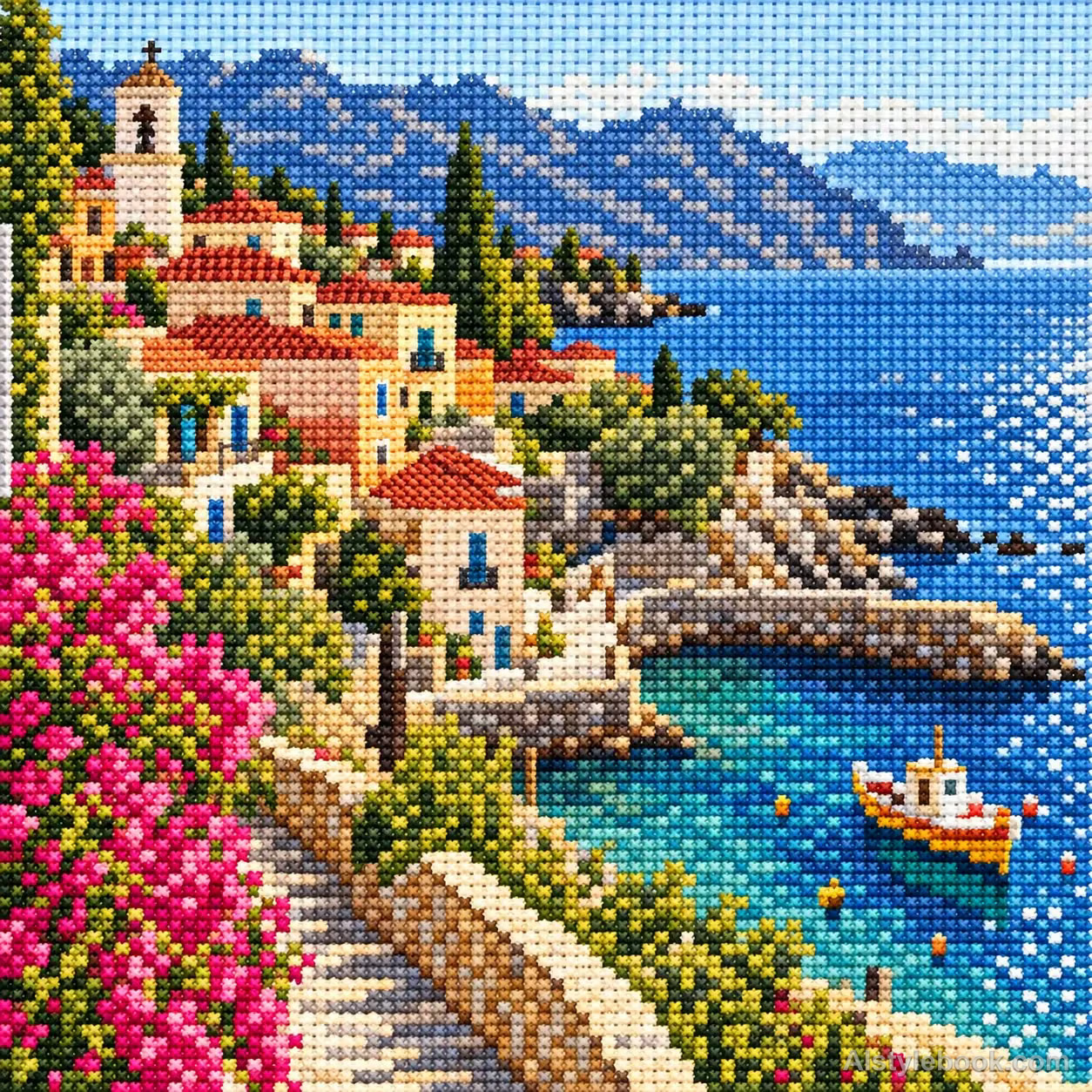
风景风格效果
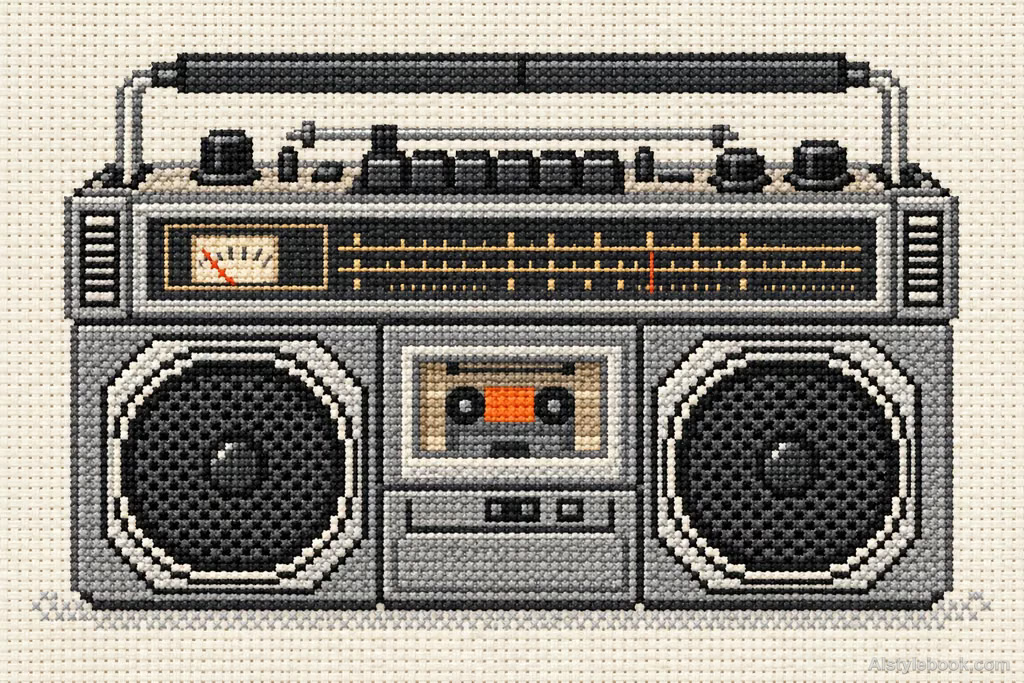
物品风格效果
认识风格
十字绣是什么
每个格点由两条交叉棉线构成,统一方向的针脚像柔软像素排列。轮廓必须沿网格转折,绣布孔洞与捻线让数码般的色阶重新获得手感。
十字绣的每个色点都由两针交叉构成,统一网格约束了轮廓,斜线会自然变成阶梯。
例如一只鸟用几档蓝色排成,翅膀边缘一格格转向,远看像像素图,近看却是有捻股的棉线。
不同主体的表现
- 人物
- 五官与发型沿绣格呈阶梯轮廓,肤色由有限色针脚拼出。
- 风景
- 山脊、建筑和树冠像柔软像素,远景小细节容易合并。
- 物品
- 曲线变成格点转折,高光以少数浅色针脚表示。
- 建议主体
- 优先选正面肖像、花朵、宠物或简单物件,减少细字和纤细零件。
工艺与历史
十字针由两条对角线交叠而成,曾广泛用于针法采样绣,也能表达细腻明暗。
把风格带入你的照片
十字绣的可复用风格提示词
Reconstruct the subject on visible Aida cloth, with one clear cotton-floss cross-stitch per square cell and consistent stitch orientation. Let twisted thread strands stand slightly proud of the cloth, revealing holes and fibers. Contours should step along the grid. Compress colors into a limited, harmonious thread palette, using color blocks and subtle yarn differences for light and shade. Preserve genuine fabric and thread thickness rather than smooth satin embroidery or photographic printing.人物、风景与物品共用这份风格提示词。
用这个风格创作继续探索


