
主体在清楚的非对称网格内保持稳定位置,黑白灰图形与少量红色强调构成理性层级。

人物风格效果

风景风格效果
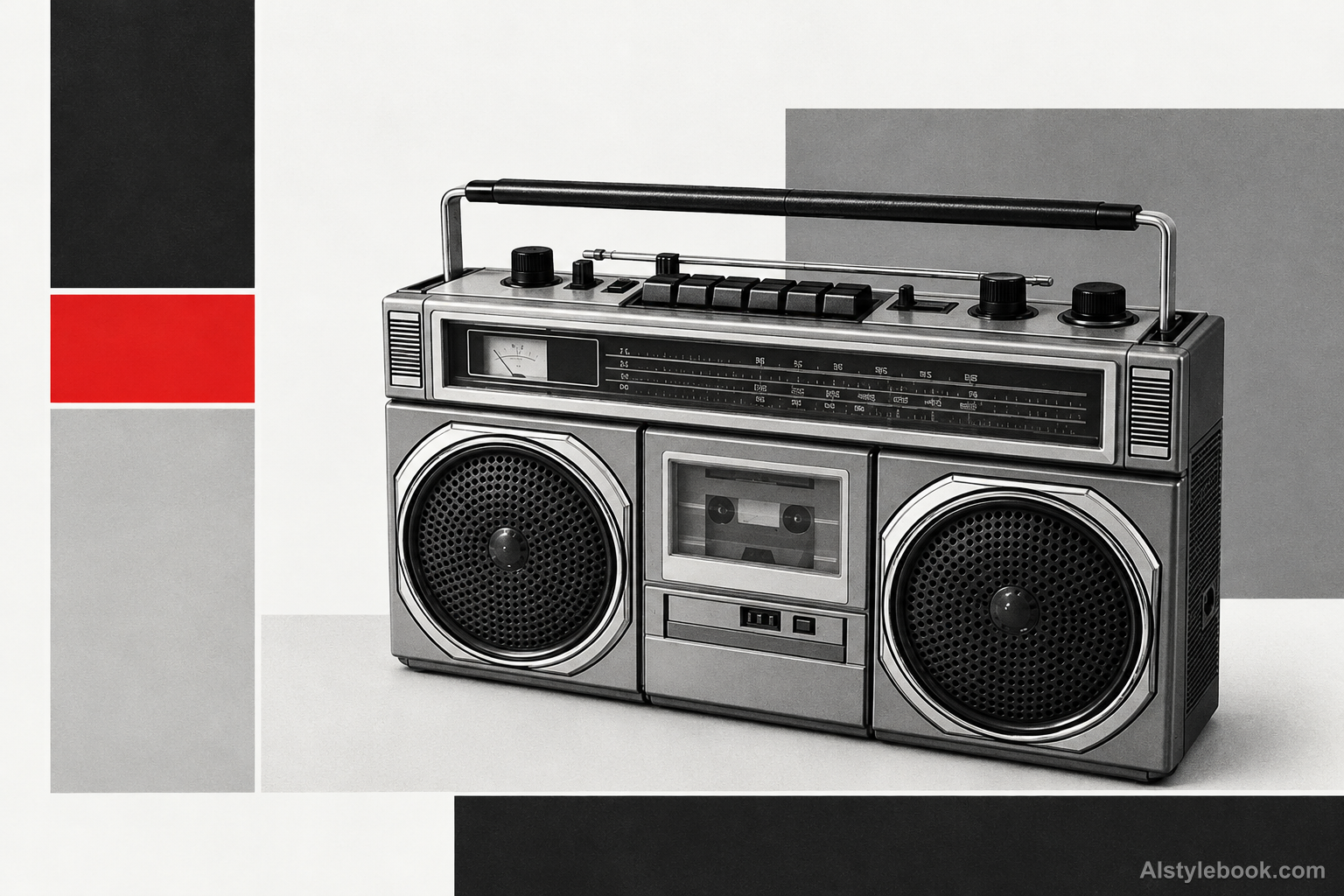
物品风格效果
认识风格
瑞士网格编排是什么
主体在清楚的非对称网格内保持稳定位置,黑白灰图形与少量红色强调构成理性层级。边界、间距与留白共同形成克制的编辑式画面。
瑞士网格编排通过对齐、间距与非对称平衡形成信息秩序,网格可以隐而不画,关键是组件之间有共同依据。
例如主体靠左,右侧几块灰形沿同一基线排列,红色只强调一处,版面就会清楚而有节制。
不同主体的表现
- 人物
- 人物被归纳为几何轮廓与色块,表情细节减少,位置、比例与留白更重要。
- 风景
- 建筑和地形转成线、面和网格关系,空间秩序比材质纹理更突出。
- 物品
- 物品被拆解为圆、矩形和直线,结构与版面中的平衡成为重点。
- 建议主体
- 优先选几何建筑、器具、轮廓清楚的人物或规则排列的物件,明确主色和大小关系。
变体关系
杂志编辑风的瑞士网格编排变体。参照风格:杂志编辑风海报。
杂志编辑风允许多种图文层级;这个变体进一步约束为非对称正交网格、黑白灰与单一红色强调,并用统一间距和大块留白表达秩序,图鉴样图省去额外标题文字。
把风格带入你的照片
瑞士网格编排的可复用风格提示词
Keep the source subject and its identifying arrangement in one coherent image. Interpret it as a restrained Swiss-grid editorial composition: clearly aligned asymmetric rectangular regions, measured consistent margins, large quiet white areas and disciplined black-gray image planes. Use grayscale for the source-derived picture with one small flat red rectangular accent aligned to an existing structural edge. Make the grid visible through crop boundaries, alignment and spacing rather than drawing a mesh over the subject. Avoid decorative serifs, ornamental patterns, multiple duplicate pictures, headlines, body text, numbers, logos, interface elements or added scene objects.人物、风景与物品共用这份风格提示词。
用这个风格创作继续探索


