
透明叠色、自然洇染与纸白共同塑造形体,颜色清透,笔触轻盈松弛。
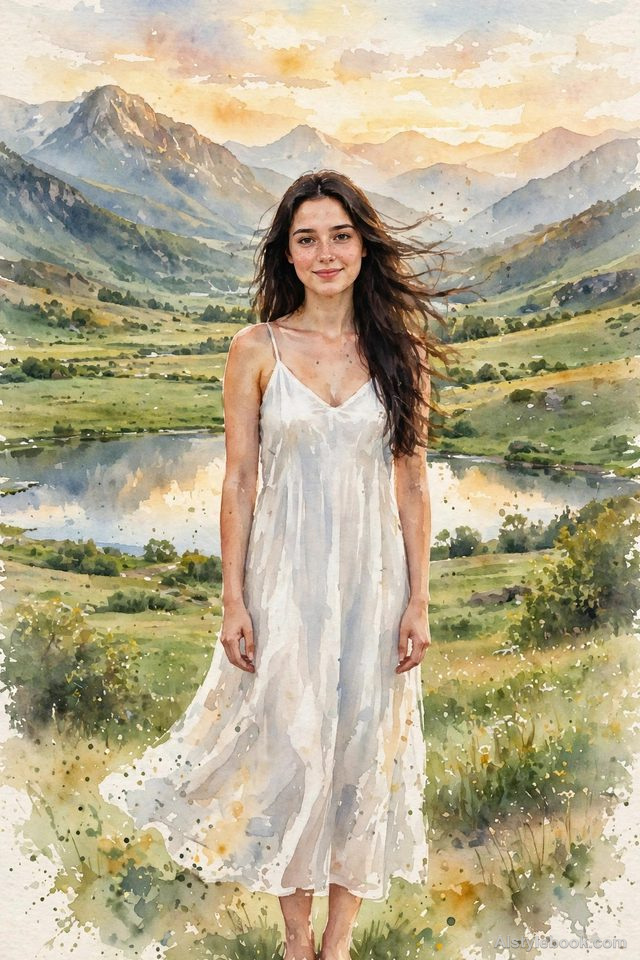
人物风格效果
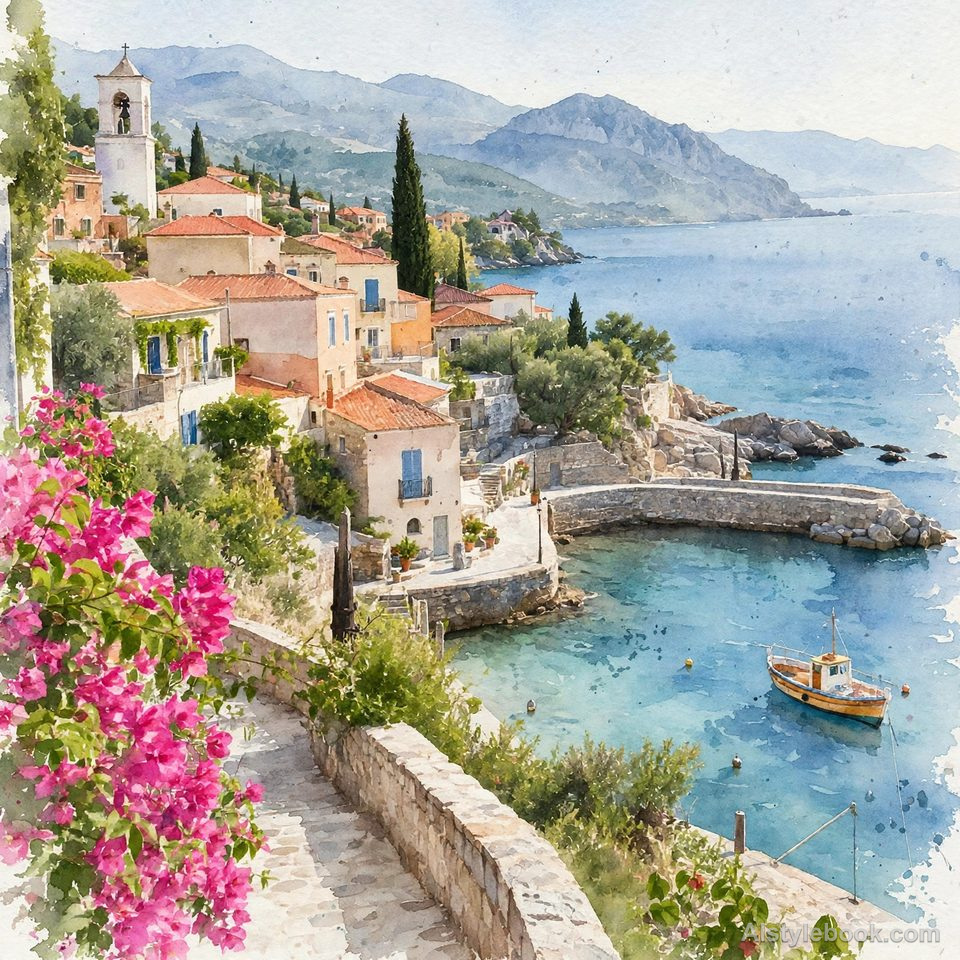
风景风格效果
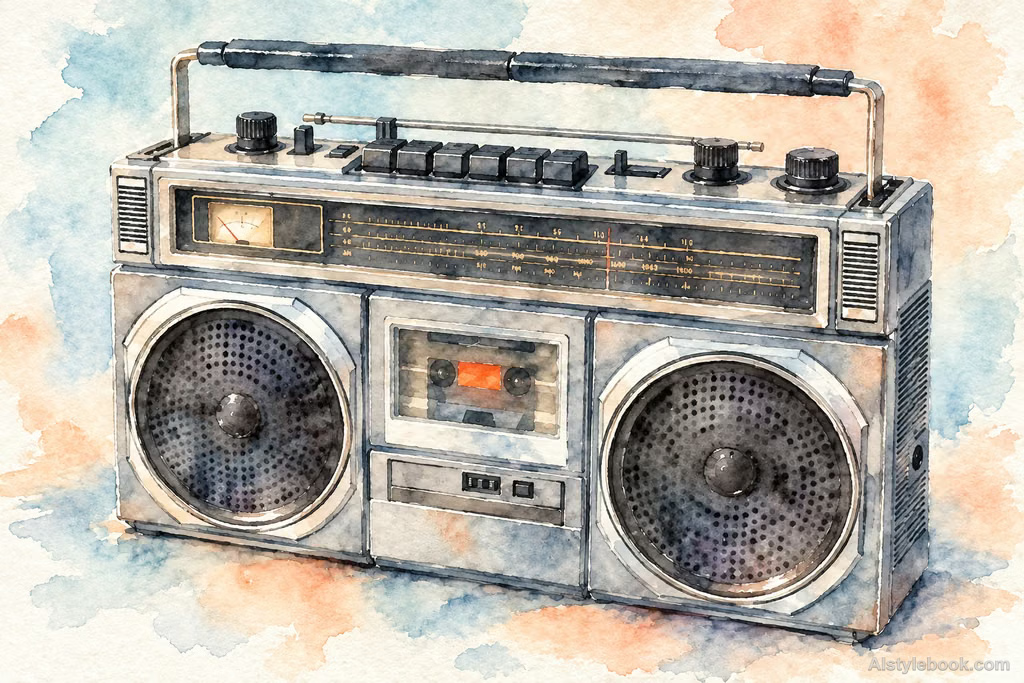
物品风格效果
认识风格
水彩是什么
水分让颜料在纸上形成软边、回流和浅色沉积,干笔又留下断续纹理。高光借纸白发亮,透明叠色保持轻盈。
透明水彩的亮度很大程度来自纸底,湿画软边与干画硬边的交替,比统一的朦胧滤镜更能说明媒介。
例如天空的蓝色向湿纸自然散开,屋檐却在干纸上留下清楚一笔,两种边缘就能拉开空间。
不同主体的表现
- 人物
- 肤色变成透明薄色,发丝与衣缘交替出现软边和干笔,神态更轻柔。
- 风景
- 天空、水面与雾气连成洇染色层,近景硬边与远处软边拉开距离。
- 物品
- 轮廓保留关键几笔,高光借纸白透出,原本坚硬的材质更轻盈。
- 建议主体
- 优先选花卉、湖岸、浅色器皿或柔光人像,留白和清楚的亮暗关系能衬托水色。
英国水彩的兴盛
水性绘画存在于多种文化中。18世纪中叶至19世纪中叶,英国的写生团体与专业社团推动水彩创作及其公众影响。
把风格带入你的照片
水彩的可复用风格提示词
Shape the subject through layers of transparent watercolor pigment, allowing wet colors to bleed and blend naturally into soft edges, tide marks, pale deposits, and occasional dry-brush marks. Let paper fibers show through thin washes and preserve paper white in bright areas. Keep dark colors transparent and brushwork relaxed while key structures remain accurate. Build light and shade through water and layered color for a luminous, airy result, avoiding opaque impasto and uniform blur.人物、风景与物品共用这份风格提示词。
用这个风格创作继续探索


