
Painting & Drawing
Watercolor Art Style
Style guide
Transparent layers, natural bleeding and paper white shape the subject with clear color and light, relaxed brushwork.
The visual language
What is Watercolor Art Style?
Water carries pigment into soft edges, backruns and pale deposits, while dry brush leaves broken texture. Reserved paper white supplies the highlights and transparent layers keep the image airy.
Paper supplies much of transparent watercolor's luminosity; wet and dry edges describe different structures.
A sky can diffuse across damp paper while a crisp roof stroke anchors the scene.
How the style changes different subjects
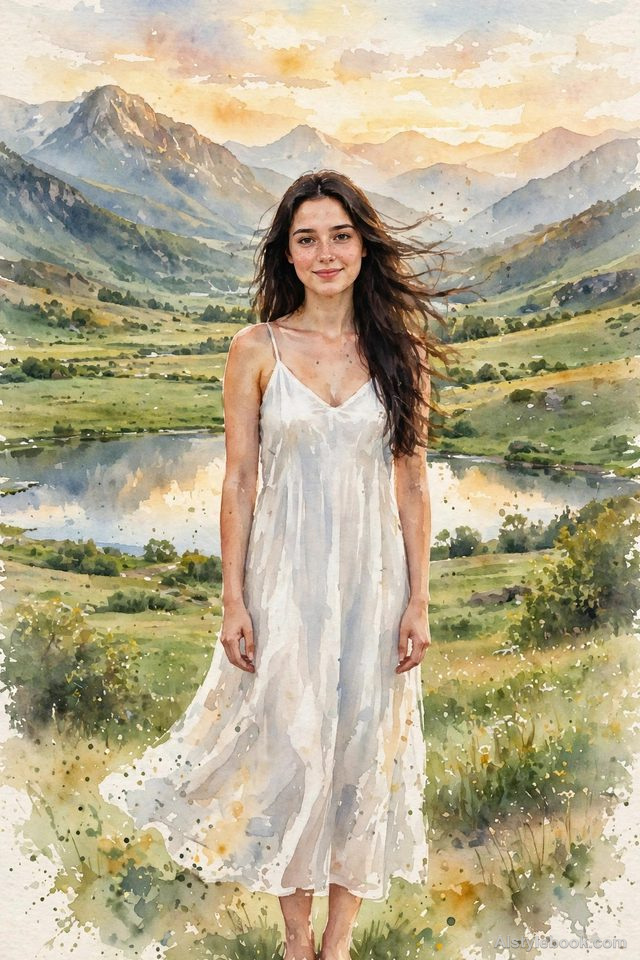
- Portrait
- Transparent washes soften skin; dry marks and soft edges alternate through hair and clothing.
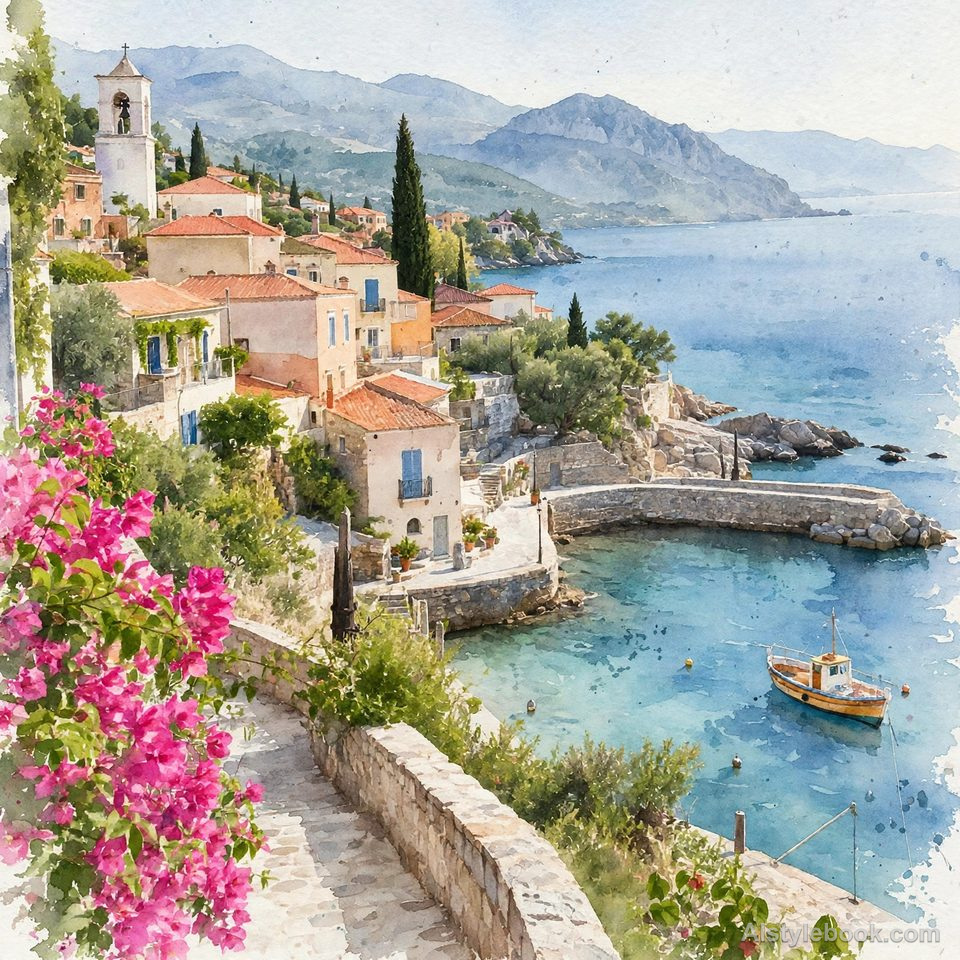
- Landscape
- Sky, water and mist merge into washes, with harder foreground edges separating distance.
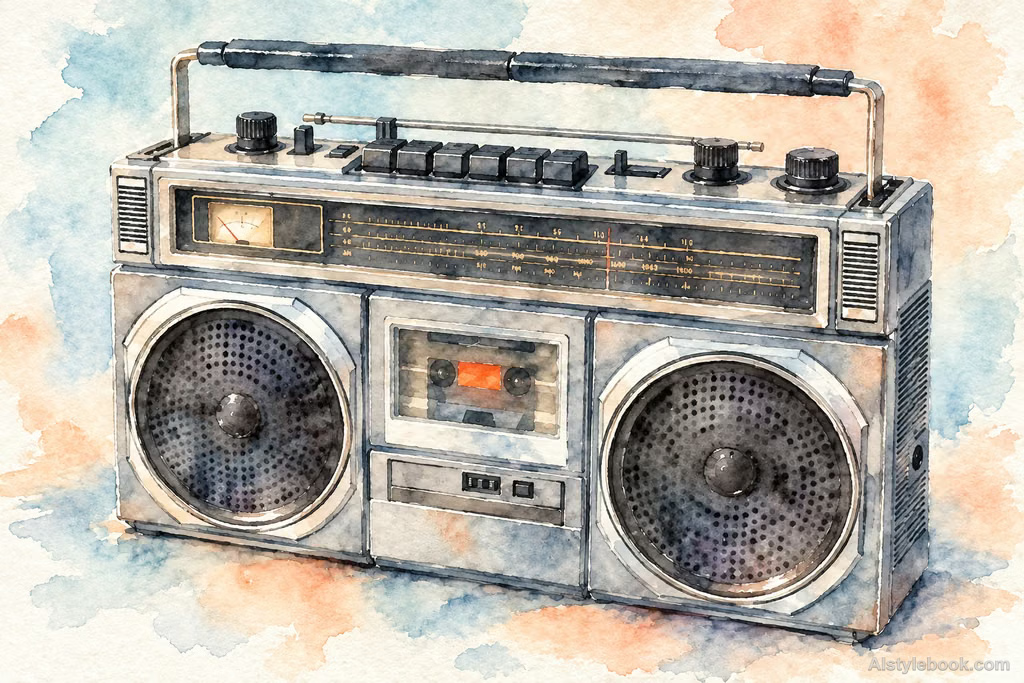
- Objects
- A few edges define the object; reserved paper supplies highlights and makes hard materials feel lighter.
- Subjects
- Choose flowers, lakeshores, pale vessels or softly lit portraits with open space and clear light-dark relationships.
Watercolor’s growth in Britain
Water-based painting has histories in many cultures. From the mid-eighteenth to the mid-nineteenth century, British sketching groups and professional societies helped shape watercolor practice and its public reception.
Bring the style to your photos
Reusable style prompt for Watercolor Art Style
Shape the subject through layers of transparent watercolor pigment, allowing wet colors to bleed and blend naturally into soft edges, tide marks, pale deposits, and occasional dry-brush marks. Let paper fibers show through thin washes and preserve paper white in bright areas. Keep dark colors transparent and brushwork relaxed while key structures remain accurate. Build light and shade through water and layered color for a luminous, airy result, avoiding opaque impasto and uniform blur.Use the same style prompt for portraits, landscapes and objects.
Create with this styleKeep exploring


