
交错横纵细带保持网格连接,局部弯曲和深浅交替将原图转为有起伏的编织表面。
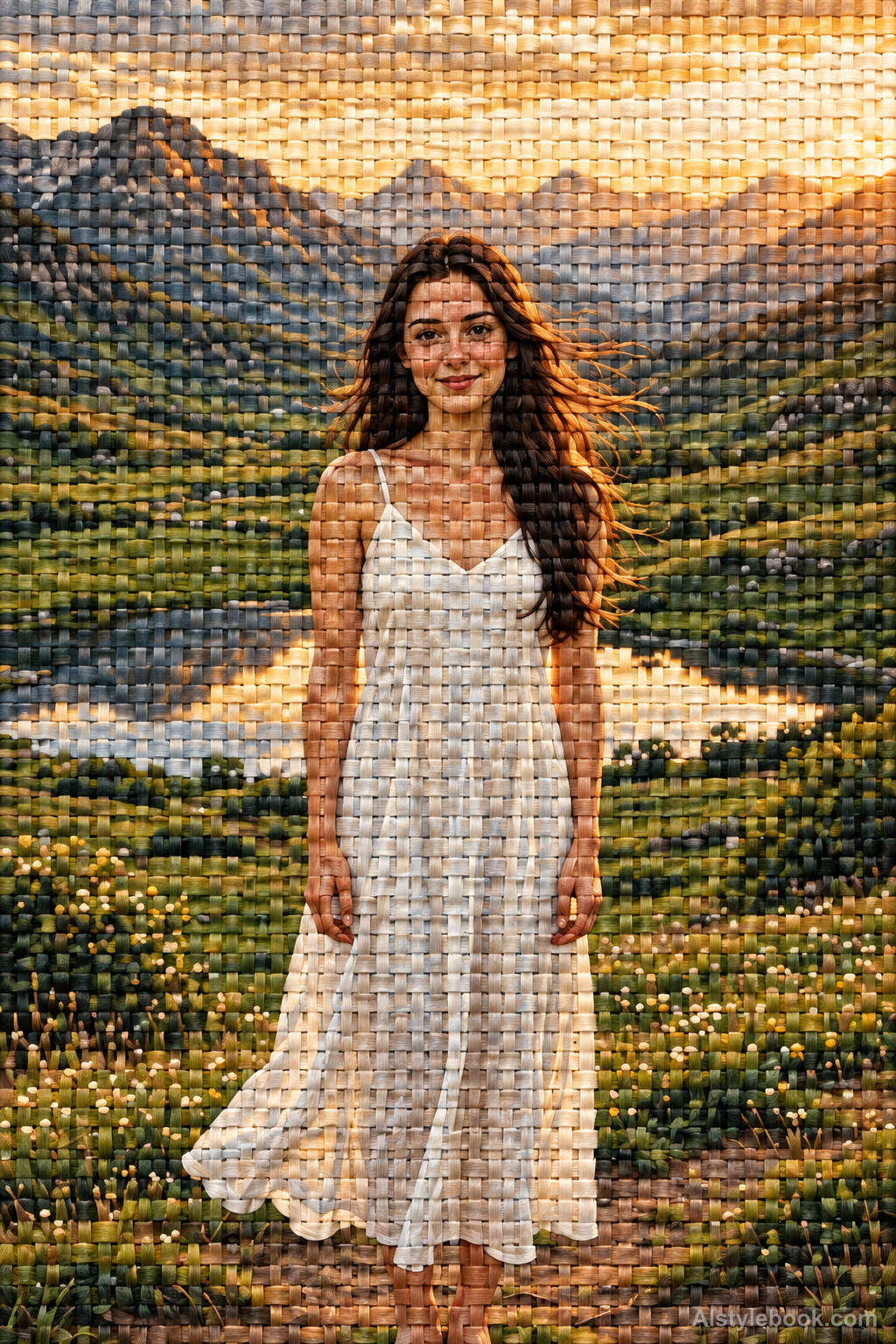
人物风格效果
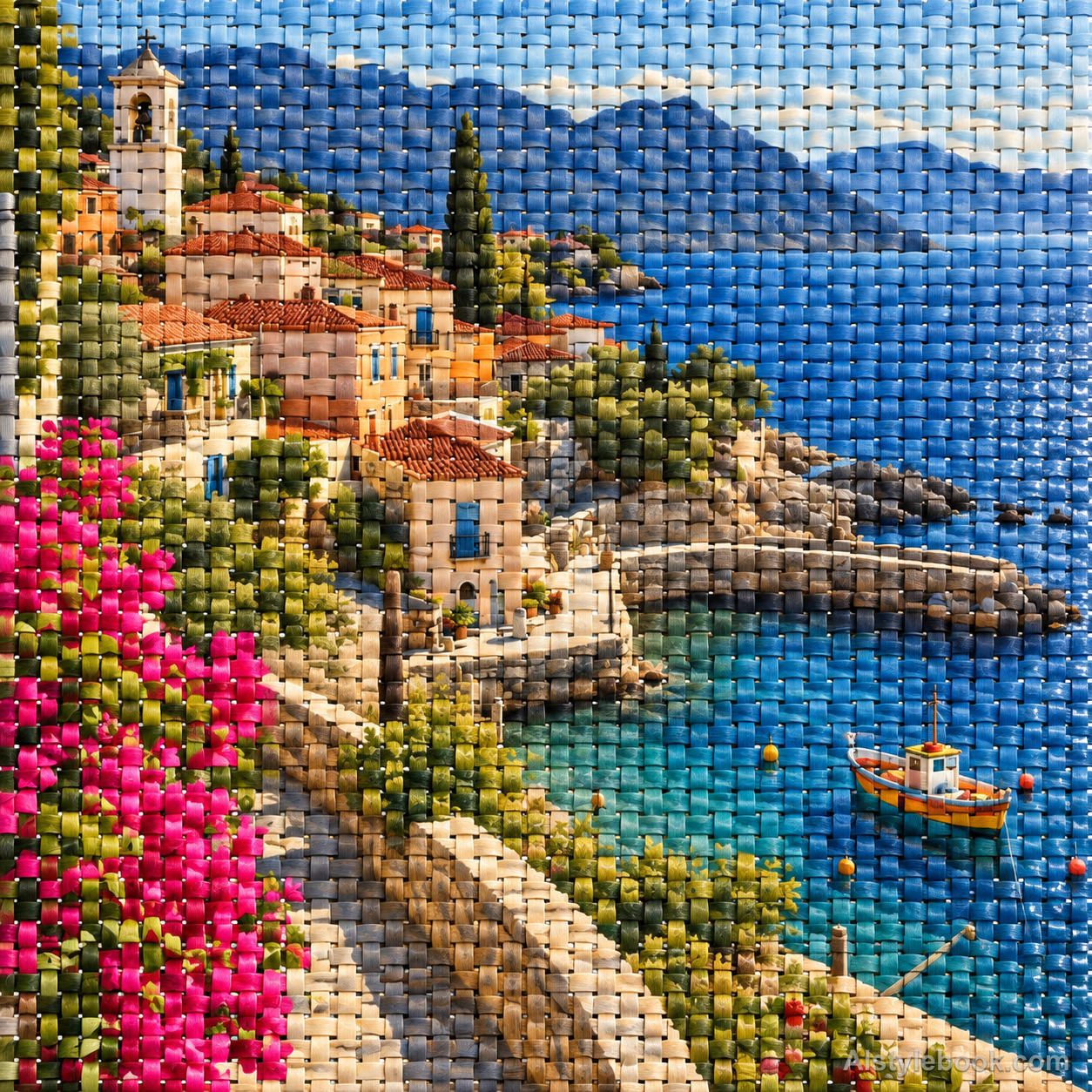
风景风格效果
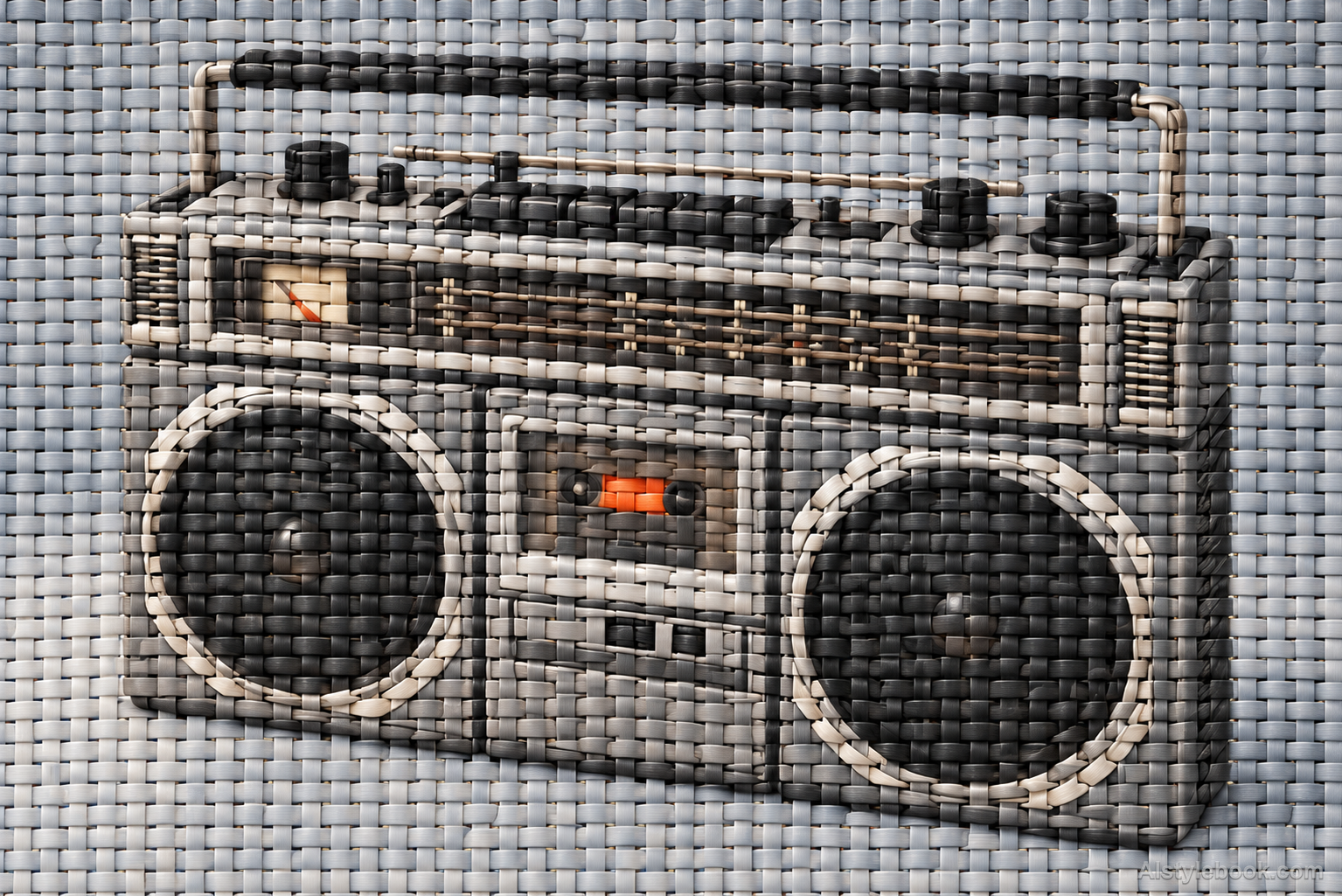
物品风格效果
认识风格
编织图像晶格是什么
编织图像晶格把横纵细带保持为连续交错结构,再让网格的弯曲和深浅呼应原图。交叉处的上下关系与格间小孔必须同时存在,才能读出编织表面的起伏;它强调的是整片连接,而不是散开的杆件。
编织晶格需要清楚的上下交替关系,条带弯曲时仍应连续,孔隙和阴影才会像同一张织面。
例如横带经过竖带时一上一下,面颊处整体鼓起,观众便能沿线带理解图像怎样被编出来。
不同主体的表现
- 人物
- 面部和衣物被连续横纵带交织,细节从弯曲网格与明暗中浮现。
- 风景
- 景物转为整片编织表面的起伏,格间小孔和交叉阴影增强层次。
- 物品
- 器物像压在编织晶格里的形体,横纵连接比独立纹理更明显。
- 建议主体
- 优先选近景肖像、圆润器物或明暗分明的图像,让宽阔曲面显示网格变形。
把风格带入你的照片
编织图像晶格的可复用风格提示词
Translate the complete image into a tightly organized woven lattice of narrow horizontal and vertical strands. Preserve a continuous over-under crossing pattern and equal base spacing, then bend the grid gradually and change strand darkness according to source shape and tone. Let small open cells remain visible between strands and use restrained source-derived color to maintain the original forms. Show a shallow graphic woven surface with gentle local relief, not a three-dimensional rod skeleton, basket object, triangular truss or unchanged photograph under a mesh overlay.人物、风景与物品共用这份风格提示词。
用这个风格创作继续探索


