
Illustration & Design
Absurd-Proportion Storybook
Style guide
Picture-book marks meet deliberately stretched or compressed proportions.
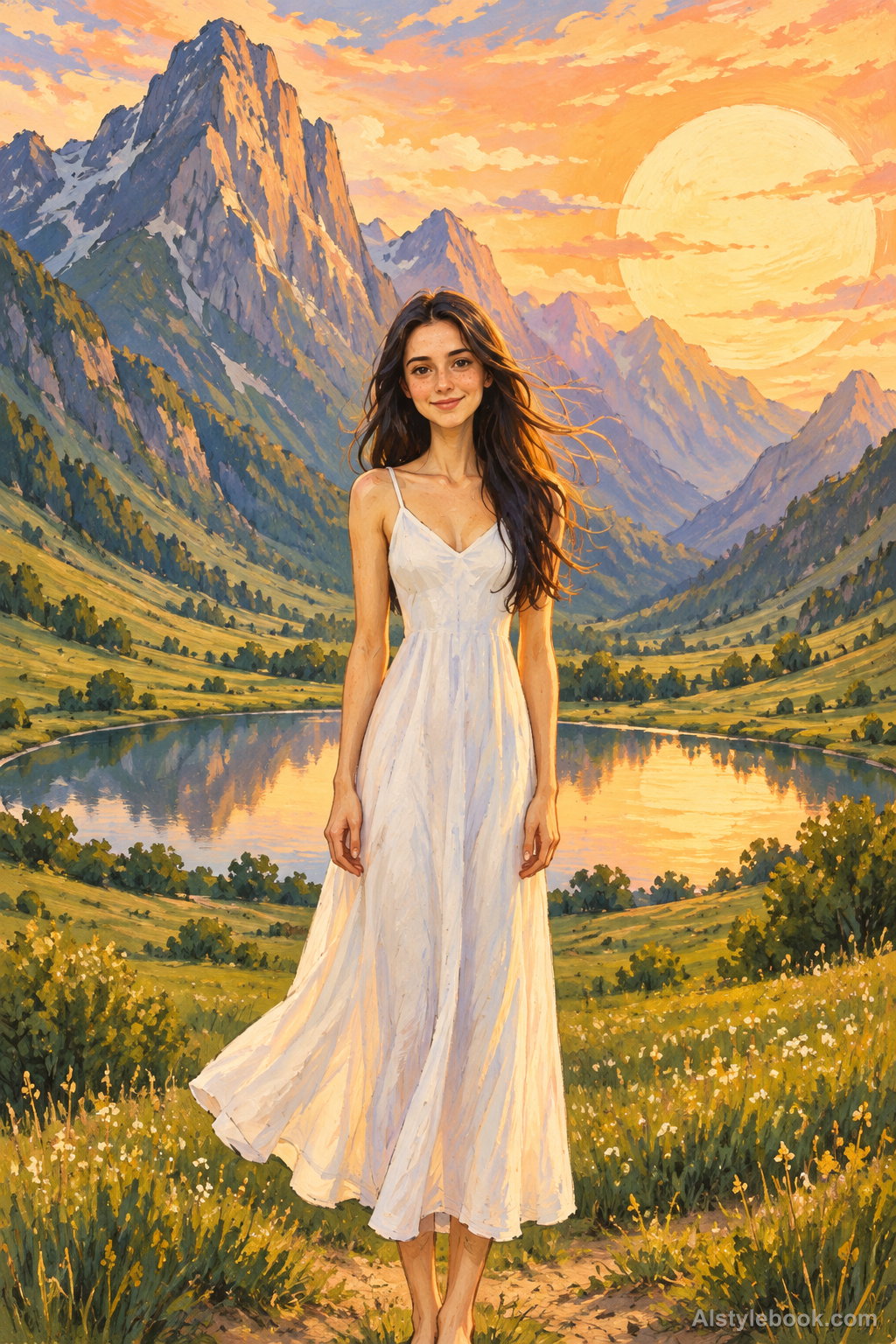
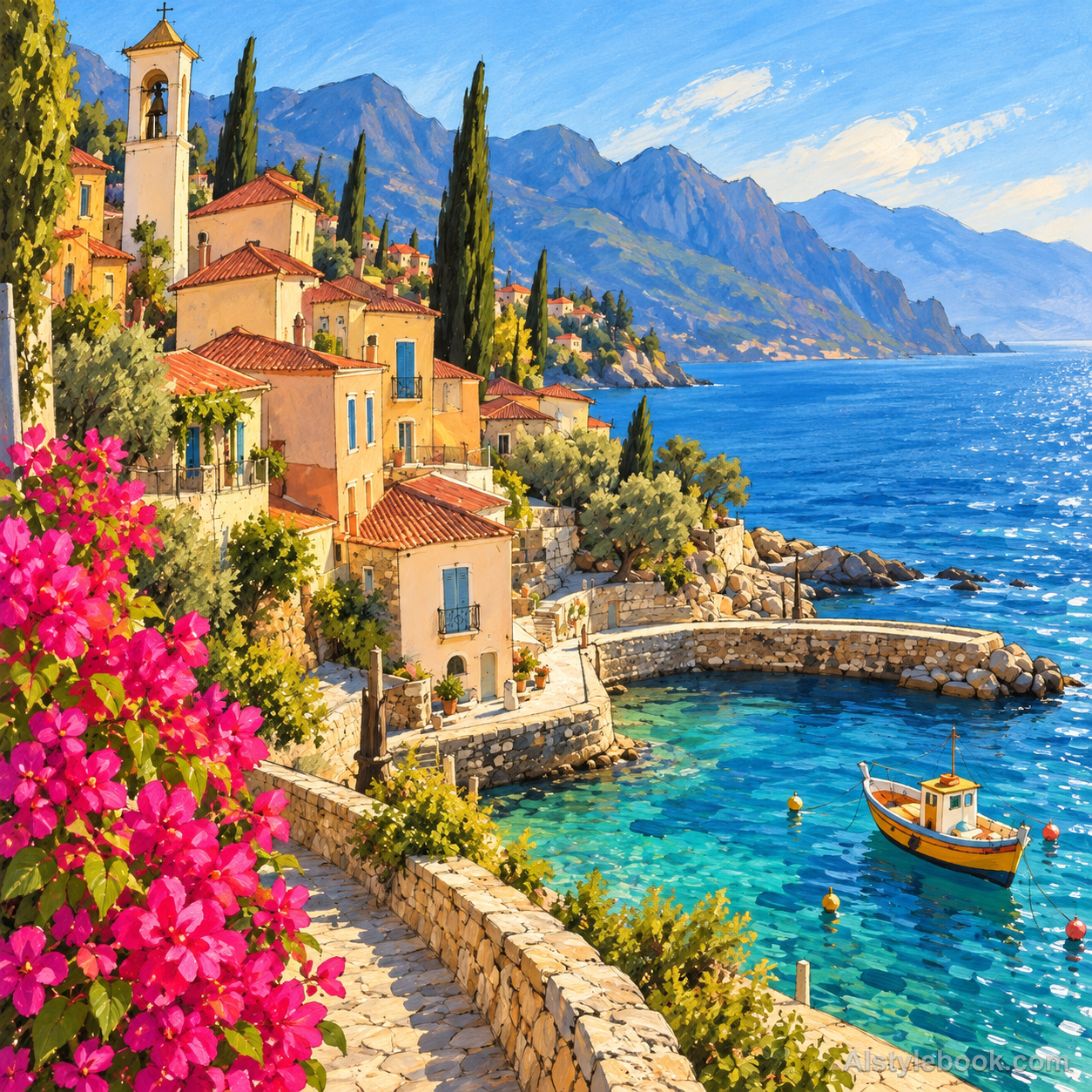
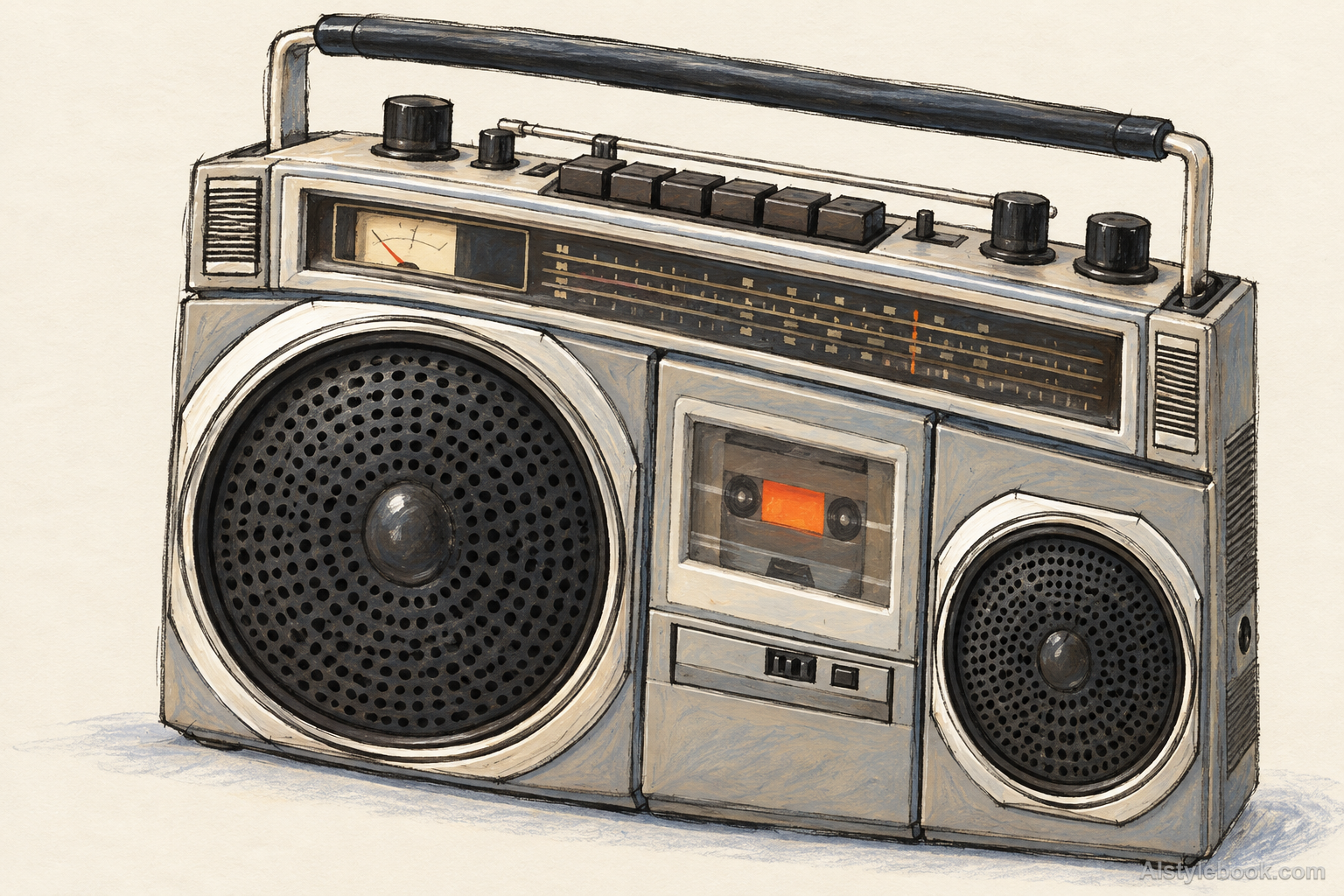
The visual language
What is Absurd-Proportion Storybook?
Picture-book marks meet deliberately stretched or compressed proportions. A few enlarged key parts introduce gentle imbalance while colors and contours remain readable.
Absurd-proportion storybooks exaggerate selected size relationships while retaining a gentle recognizable scene.
Boat-sized shoes beneath a slightly smaller head can give a walking figure endearing awkwardness.
How the style changes different subjects
- Portrait
- Selective exaggeration of distinctive features, hair or pose creates humorous proportions.
- Landscape
- Characteristic roofs, landmarks or trees grow more extreme, giving the setting personality.
- Objects
- Handles, rims or length ratios become unusual while recognizable cues remain.
- Subjects
- Choose distinctive people, pets, buildings or objects and emphasize one main feature rather than distorting everything equally.
Variant relationship
An absurd-proportion variant of Storybook. Compare with Storybook.
General Storybook usually maintains balanced approachable proportions. This variant deliberately stretches limbs, tilts buildings or changes component sizes, creating local proportion contrasts while retaining subject and scene recognition.
Bring the style to your photos
Reusable style prompt for Absurd-Proportion Storybook
Preserve only the visible source contents, recognizable identity and main arrangement. Repaint as a clearly drawn absurd-proportion picture-book illustration using matte hand-painted colors and loose expressive pencil contours. Make deliberate local proportion distortion unmistakable: elongate a few existing vertical forms, compress neighboring horizontal forms and enlarge one existing prominent component while retaining its identity. Use gentle elastic contour bends and a calm humorous imbalance rather than naturalistic realistic drawing. Preserve clothing silhouette and existing pose, and keep all original component counts. No extra buildings, people, boats, animals, limbs, scenic props or surreal items may enter the picture. Leave empty backgrounds empty. Avoid photographic faces, realistic untouched object geometry, jokey captions, brands or borders.Use the same style prompt for portraits, landscapes and objects.
Create with this styleKeep exploring


