
3D & Miniatures
Claymation
Style guide
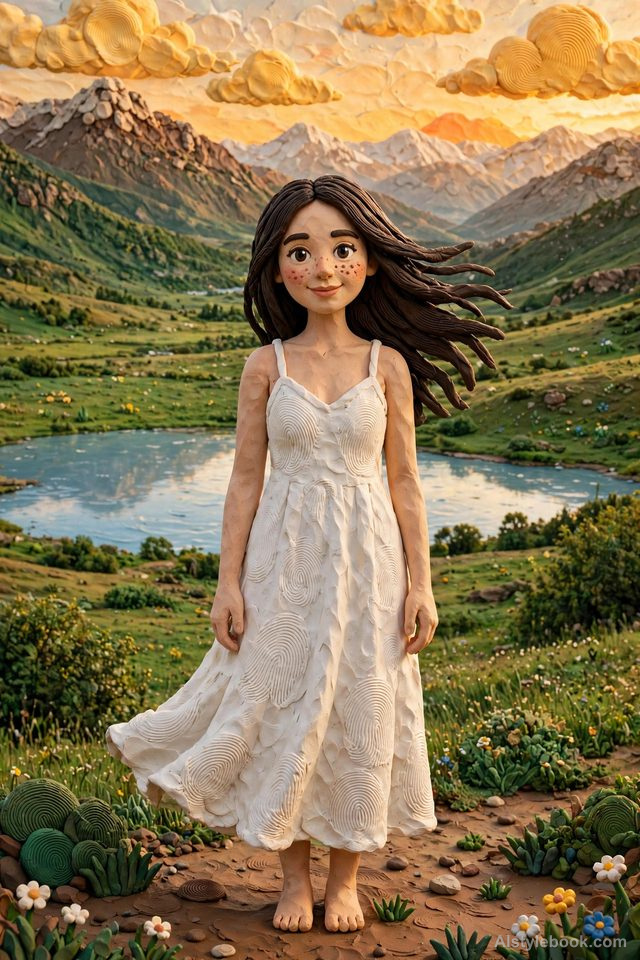
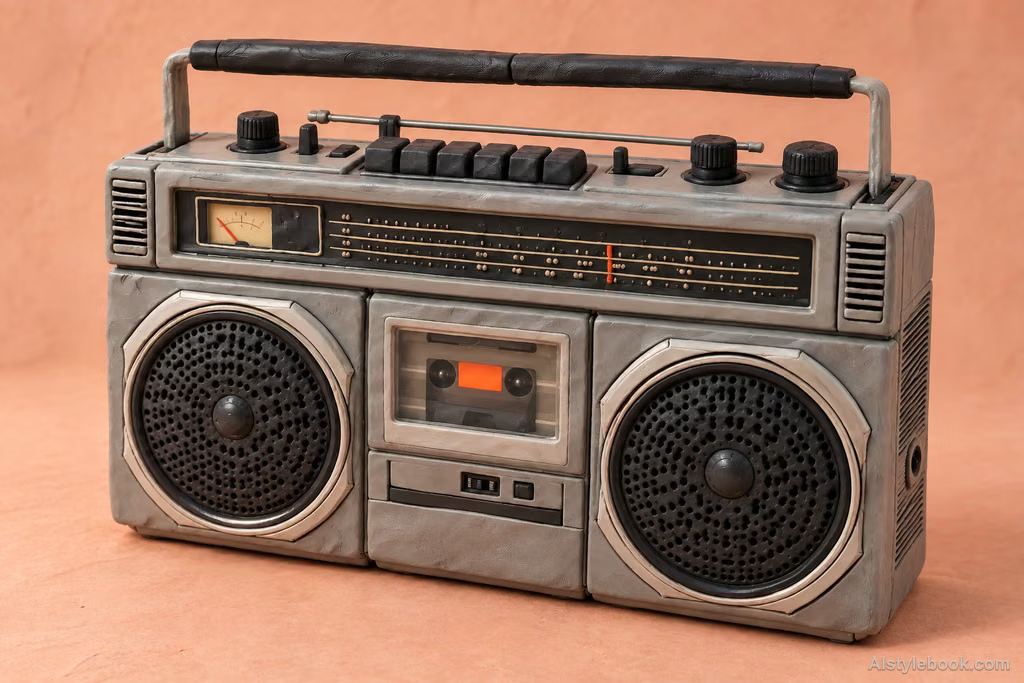
Rounded hand-molded forms carry fingerprints and seams, with matte surfaces and soft light conveying warm stop-motion texture.

The visual language
What is Claymation?
Physical thickness, fingerprints and seams make rounded shapes look hand molded. A small oily sheen within matte surfaces and soft contact shadows preserve a stop-motion model’s tactile quality.
Claymation character comes from tangible models that could be adjusted frame by frame.
Sleeve seams and shoes pressing lightly into the ground can make a rounded figure feel physically movable.
How the style changes different subjects
- Portrait
- Rounded modeled masses simplify features and body into a physical toy-like figure.
- Landscape
- Buildings, trees and terrain become substantial small sets with unified surfaces.
- Objects
- Rounded corners and fewer small parts emphasize thickness and contact shadows.
- Subjects
- Choose single figures, pets, toys or simple objects while retaining key hair, color and silhouette cues.
Background
The BFI places clay animation within early stop-motion experimentation: malleable clay and putty could be adjusted between exposures. Aardman’s later work continued this physical approach, including visible traces of handling.
Bring the style to your photos
Reusable style prompt for Claymation
Shape the subject as a hand-molded clay object with rounded, slightly asymmetric forms. Preserve small fingerprints, dents, seams, and kneading marks. Colors should seem intrinsic to colored clay, with a matte finish and only a little warm, oily sheen. Use soft lighting and realistic contact shadows to reveal the thickness of a small physical object, conveying the warm, slightly awkward handmade character of stop-motion animation.Use the same style prompt for portraits, landscapes and objects.
Create with this styleKeep exploring


