
Photography & Film
Macro Photography
Style guide
Minute textures and surface relief remain visible, with soft light and shallow depth of field emphasizing fine materials.

PortraitStyle effect
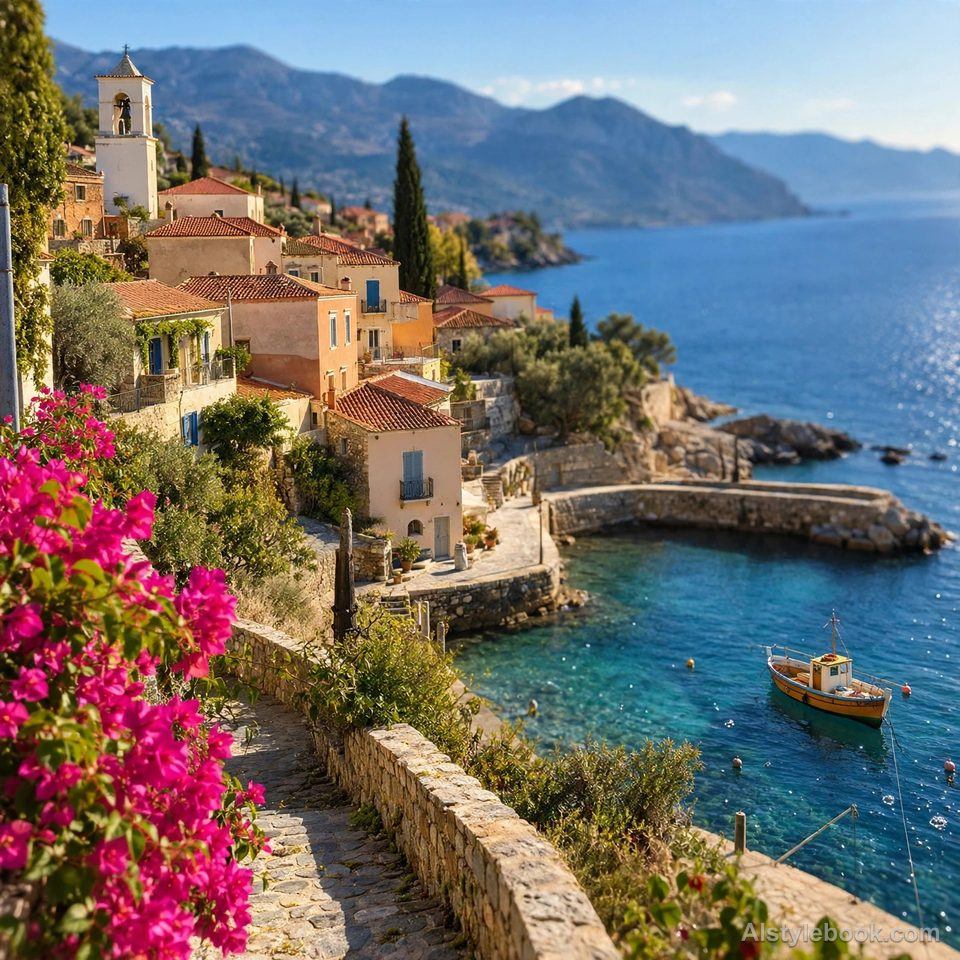
LandscapeStyle effect

ObjectsStyle effect
The visual language
What is Macro Photography?
Enlarged fibers, pores and tiny surface relief become the main visual content. Soft light reveals thickness, while transitions between sharpness and defocus establish a convincing texture scale.
Macro photography shifts attention toward structures normally overlooked at a small scale.
A water drop beside sharply focused leaf veins can seem like a transparent sphere within an unfamiliar landscape.
How the style changes different subjects
- Portrait
- Attention moves to an eye, strands of hair or fabric, with shallow focus favoring detail over the full pose.
- Landscape
- Broad scenery gives way to close studies of leaves, droplets or ground textures, while distant features soften.
- Objects
- Edges, small structures and surface textures become prominent, making familiar objects feel unexpectedly intricate.
- Subjects
- Choose flower centers, insects, jewelry, small mechanisms or a single facial detail with a clear close-range focal point.
Bring the style to your photos
Reusable style prompt for Macro Photography
Describe existing surface fibers, particles, pores, and minute relief with macro-photographic resolving power, keeping texture scale and material behavior consistent. Use soft, directional light so tiny highlights and shadows reveal thickness. Let sharp regions carry the continuous detail of focus stacking, with natural transitions into defocus. Control sharpening while retaining the subject's complete structure and recognizable contours.Use the same style prompt for portraits, landscapes and objects.
Create with this styleKeep exploring


