
Anime & Comics
Rubber-Hose Cartoon Style
Style guide
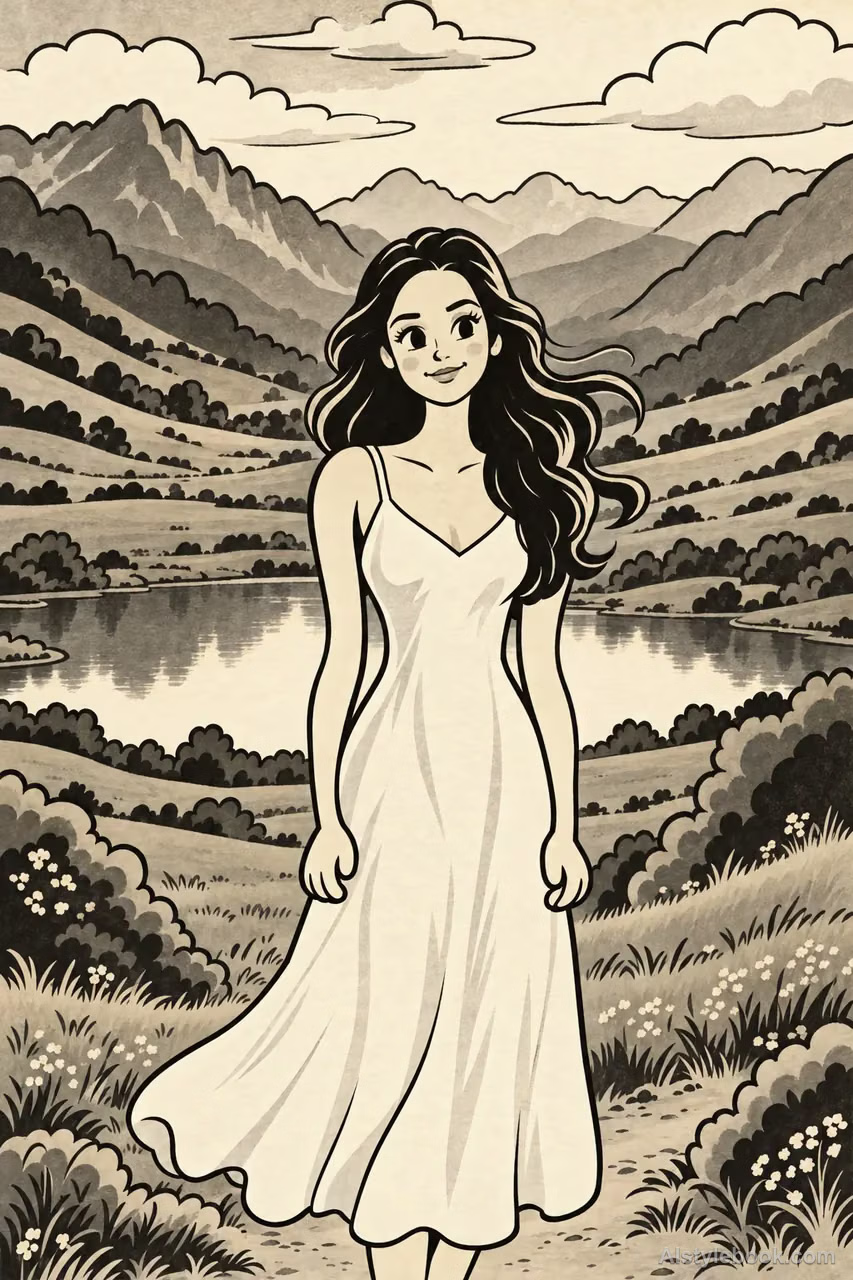
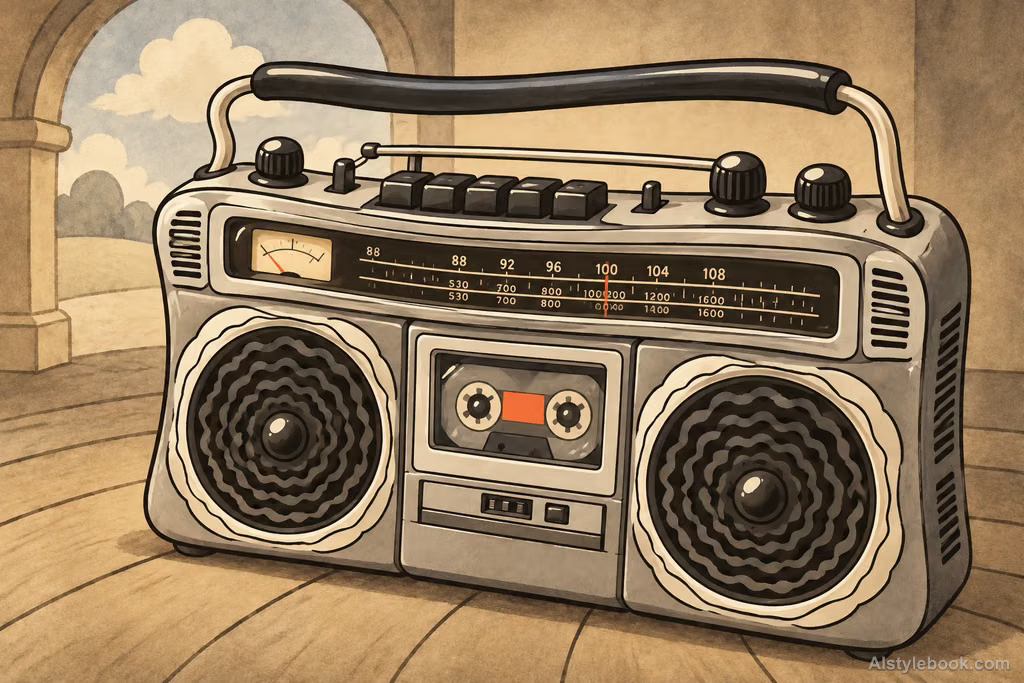
Elastic curved contours and rounded joints create a light rhythm, with warm grayscale lending nostalgic early-animation charm.

The visual language
What is Rubber-Hose Cartoon Style?
Limbs and joints follow soft elastic lines, with curved contours emphasizing movement rhythm. Warm gray tones and spare detail give the forms an early-cartoon playfulness.
Rubber-hose cartooning bends limbs beyond realistic joints while retaining readable support and rhythm.
An S-curved arm beside grounded round shoes can make an exaggerated pose elastic yet clear.
How the style changes different subjects
- Portrait
- Elastic limbs and exaggerated expressions give figures a light, humorous quality.
- Landscape
- Simplified buildings and plants gain personality through curved contours.
- Objects
- Exaggerated handles, legs and proportions can make everyday objects seem animated.
- Subjects
- Choose active figures, pets, everyday tools or compact scenes with simple, expressive silhouettes.
Background
The Walt Disney Family Museum discusses rubber-hose animation and anatomical representation through The Goddess of Spring (1934). Exaggerated poses and flexible limbs formed an early-cartoon language later creators could revisit.
Bring the style to your photos
Reusable style prompt for Rubber-Hose Cartoon Style
Reshape the subject with elastic curved ink lines, flowing connections without hard joints, rounded turns, and slight bowing or scalloped rhythms in forms. Simplify interior detail into clear shapes. Repeated curves and looping gestures should create the light rhythm of early animation. Use warm ivory-gray tones and thin washes for a nostalgic finish. Keep the core silhouette recognizable and the result graceful and lively, avoiding modern realistic tracing and exaggerated digital gloss.Use the same style prompt for portraits, landscapes and objects.
Create with this styleKeep exploring


