
Light & Image Effects
Zigzag Wave Warp
Style guide
A repeating angular displacement bends image boundaries into continuous pointed waves while retaining their color relationships.
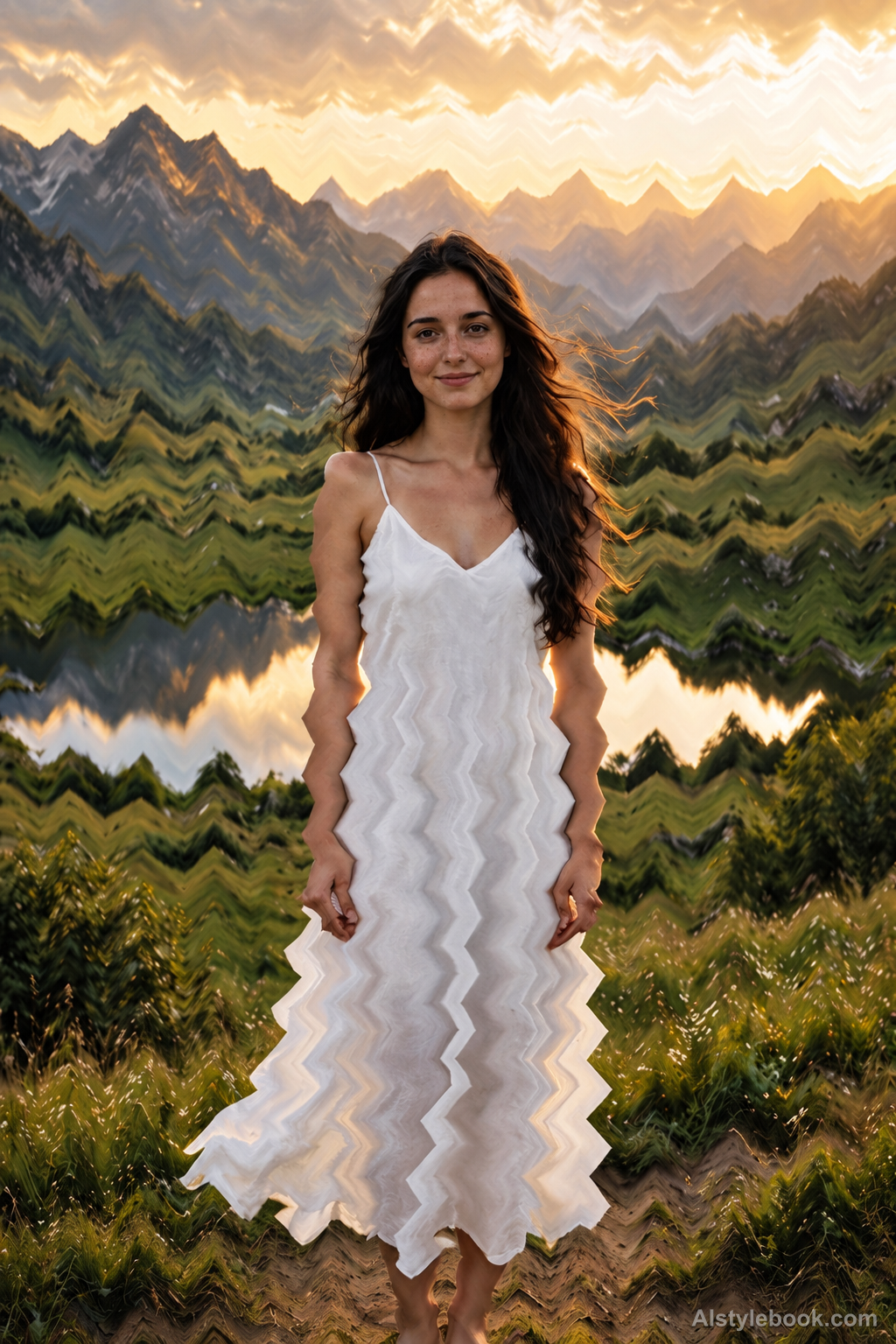
PortraitStyle effect

LandscapeStyle effect
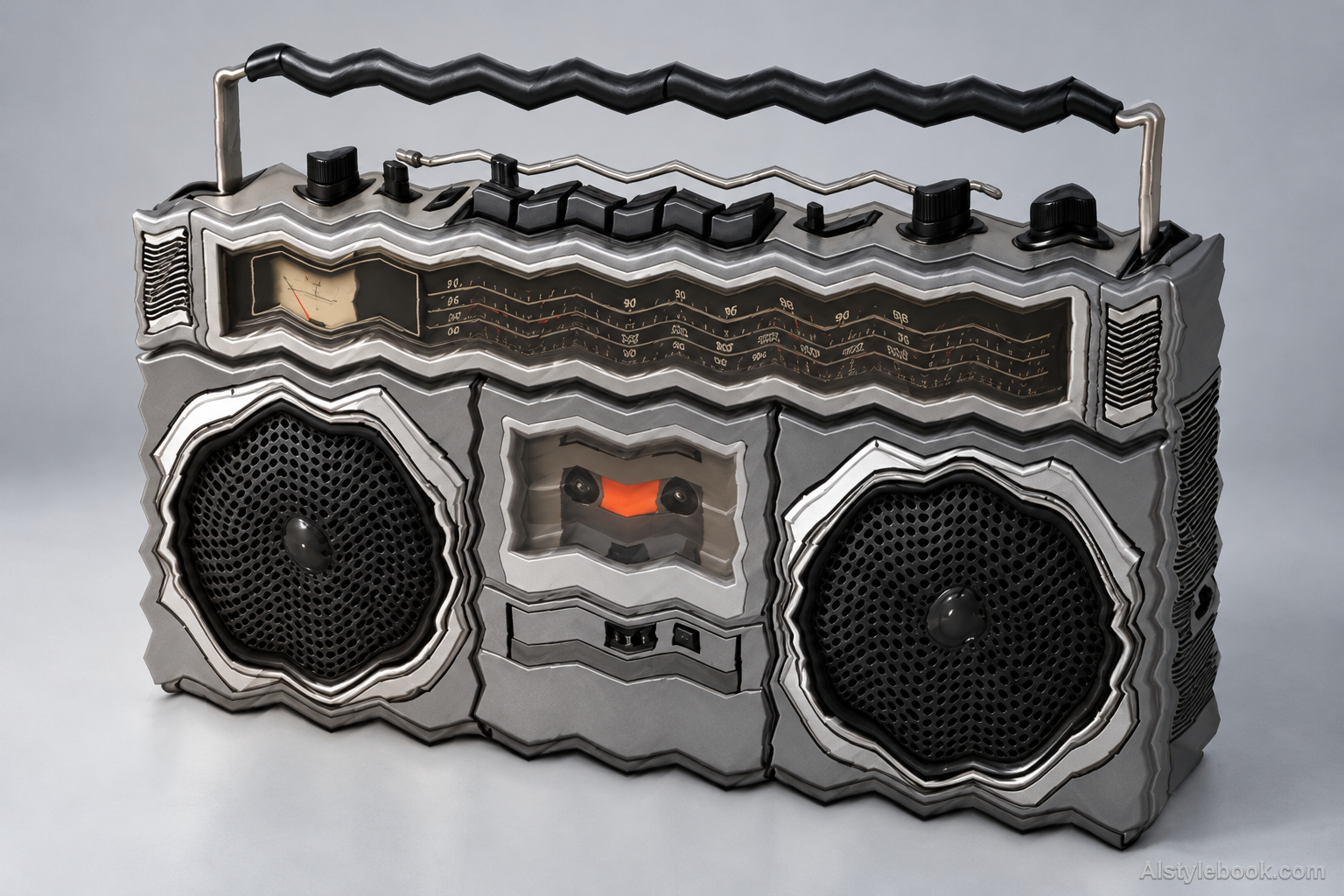
ObjectsStyle effect
The visual language
What is Zigzag Wave Warp?
Zigzag wave warp moves image coordinates through a repeating triangular wave. Lines bend at pointed crests while adjacent colors remain connected, creating a sharper rhythm than smooth water-like ripples.
Zigzag waves use repeated sharp changes of displacement rather than smooth undulation.
Building lines bent into evenly spaced corners can retain connected colors while sharing one angular rhythm.
How the style changes different subjects
- Portrait
- Continuous waves or rotation bend features and body, exaggerating pose and altering identity details.
- Landscape
- A consistent distortion bends horizons, buildings and trees without disconnecting the scene.
- Objects
- Contours and textures deform together, making regular objects especially revealing.
- Subjects
- Choose buildings, striped objects, flowers or simple portraits, keeping strong distortion away from features when identity matters.
Bring the style to your photos
Reusable style prompt for Zigzag Wave Warp
Warp the image with a repeating triangular-wave displacement, creating crisp angular zigzag bends across otherwise continuous contours. Keep a consistent wave spacing and controlled amplitude, with smooth connection between displaced regions and recognizable broad image structure. The pointed crests should distinguish this from soft sinusoidal water ripples. Preserve the existing color field without inserting separate chevron graphics, extracted scan ribbons, mirrored wedges, mosaic tiles or digital corruption blocks.Use the same style prompt for portraits, landscapes and objects.
Create with this styleKeep exploring


