
Painting & Drawing
Chinese Ink Wash Poster
Style guide
Calligraphic strokes, dry-brush breaks and pale washes create spacious ink imagery on absorbent paper.
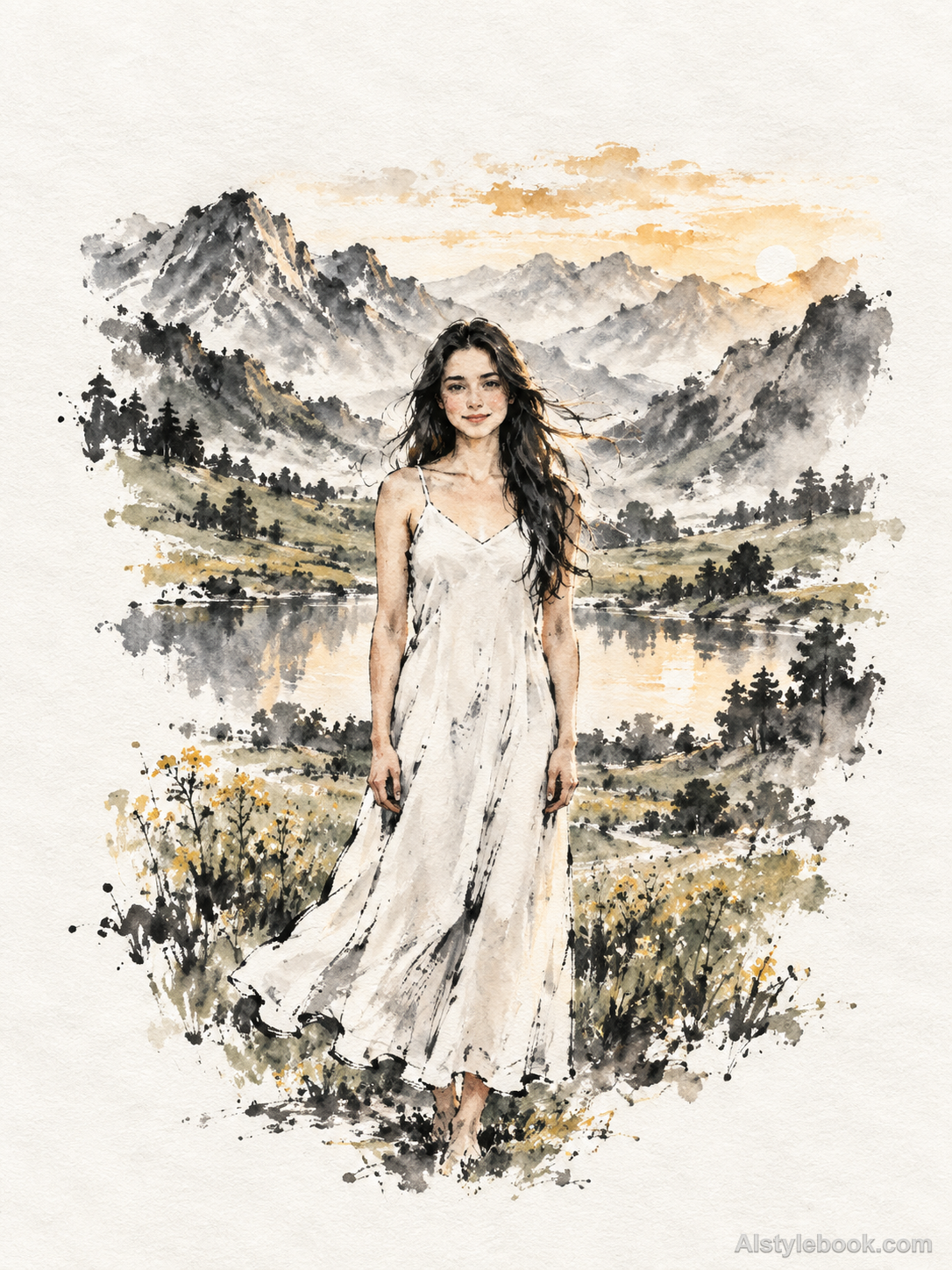
PortraitStyle effect

LandscapeStyle effect
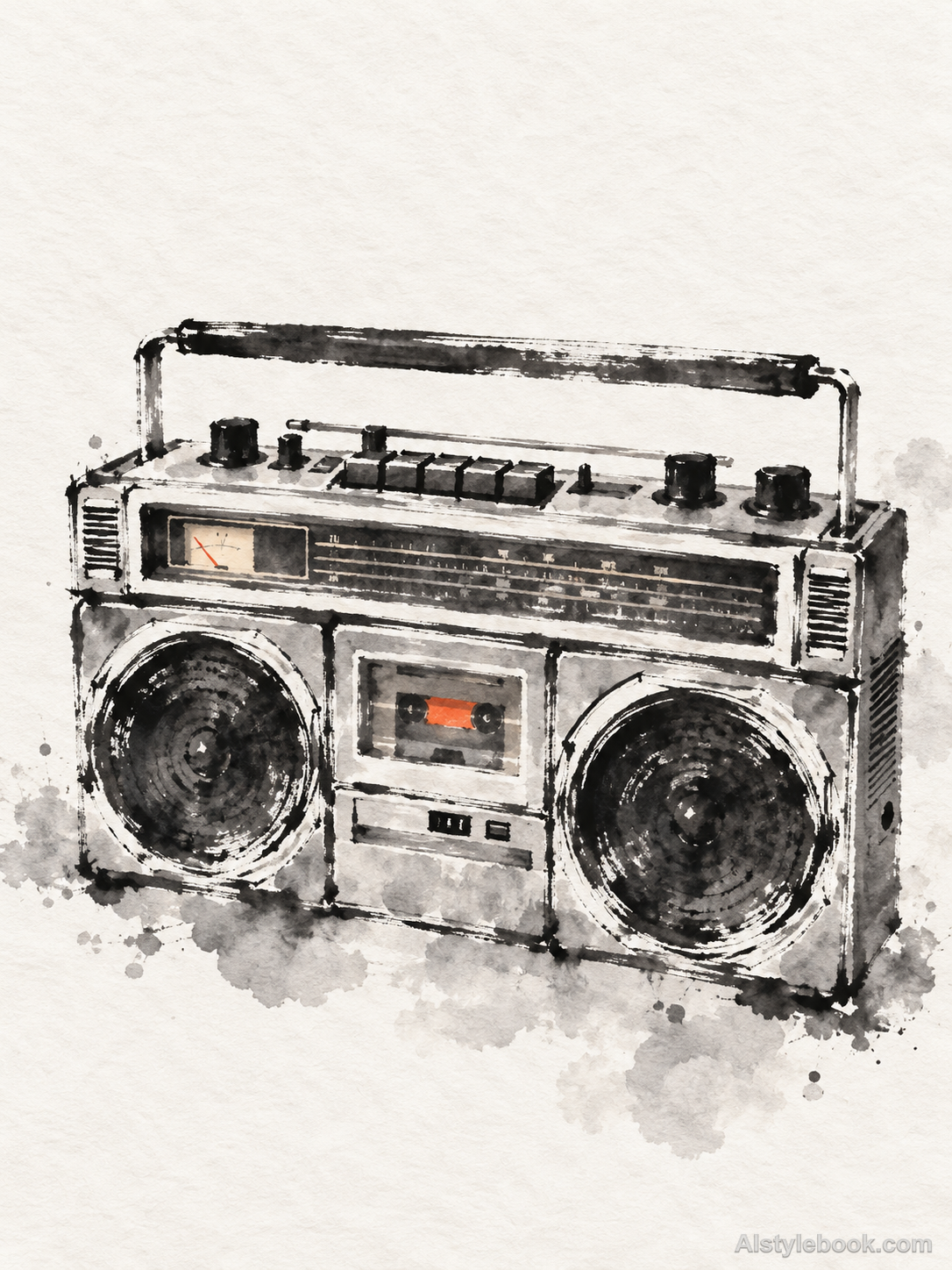
ObjectsStyle effect
The visual language
What is Chinese Ink Wash Poster?
Calligraphic strokes organize space through changing density and moisture. Dry-brush breaks and lost edges leave room to breathe as both subject and setting become ink relationships on absorbent paper.
Ink-wash posters place subject and surroundings within one system of marks and open space.
Faint distant buildings and a dry-brushed foreground tree can let untouched paper become both water and mist.
How the style changes different subjects
- Portrait
- Varied ink lines condense features and folds; fading edges place expression in a few decisive gestures.
- Landscape
- Ink density separates rocks, trees and mist, while blank paper suggests water and air.
- Objects
- A few strokes capture the silhouette, reducing reflections and material detail in favor of gesture.
- Subjects
- Choose mountains, bamboo, rocks, tea vessels or simply posed figures with open space around them.
Bring the style to your photos
Reusable style prompt for Chinese Ink Wash Poster
Distill the entire image into Chinese ink painting on absorbent xuan paper. Calligraphic black strokes, broken dry-brush edges and pale gray washes establish the subjects, with natural ink blooms spreading through the fibers. Use a few source-derived color accents sparingly. Build space through ink density, lost edges and paper white, keeping the main forms compact and surrounded by generous breathing room.Use the same style prompt for portraits, landscapes and objects.
Create with this styleKeep exploring


