
Photography & Film
Cinematic Film Still
Style guide
Directional cinematic lighting, soft highlights and fine film grain create a restrained narrative mood.
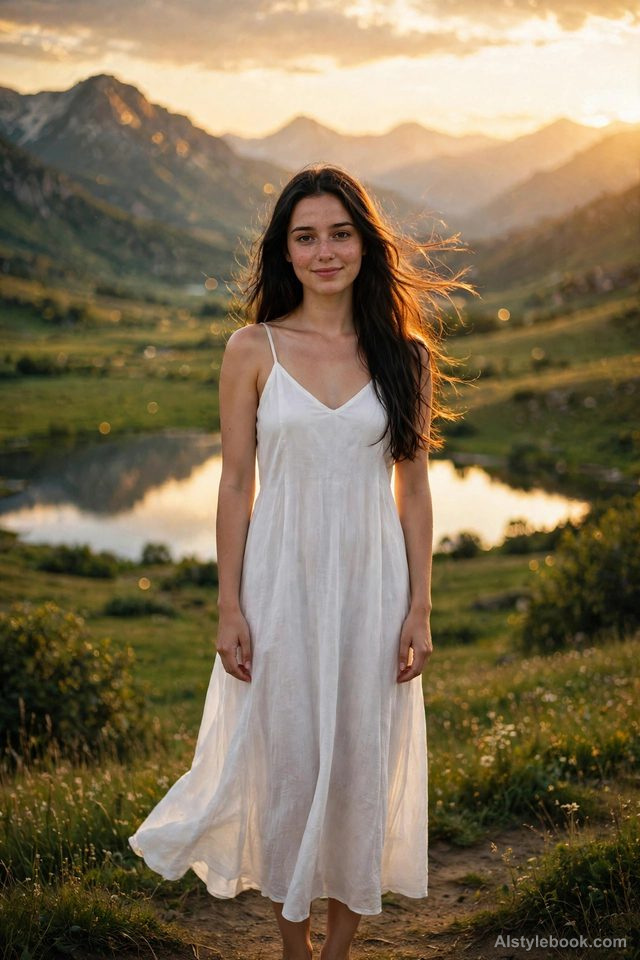
PortraitStyle effect
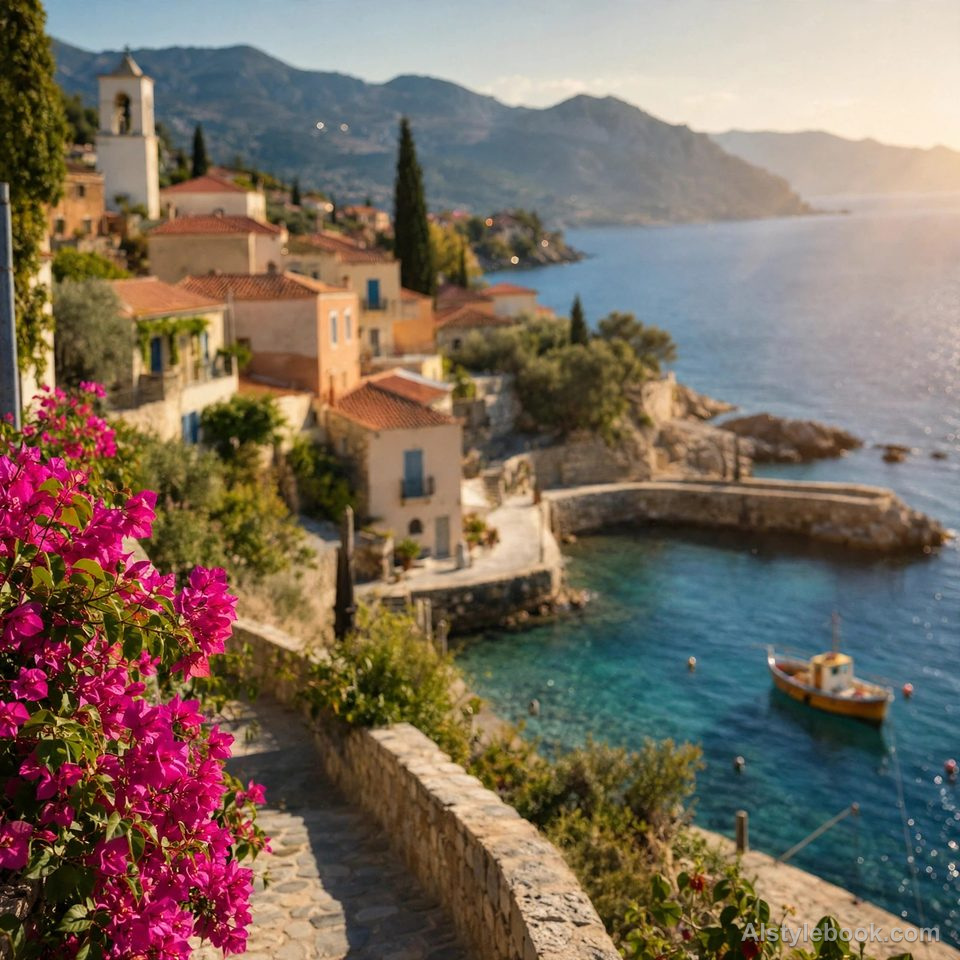
LandscapeStyle effect
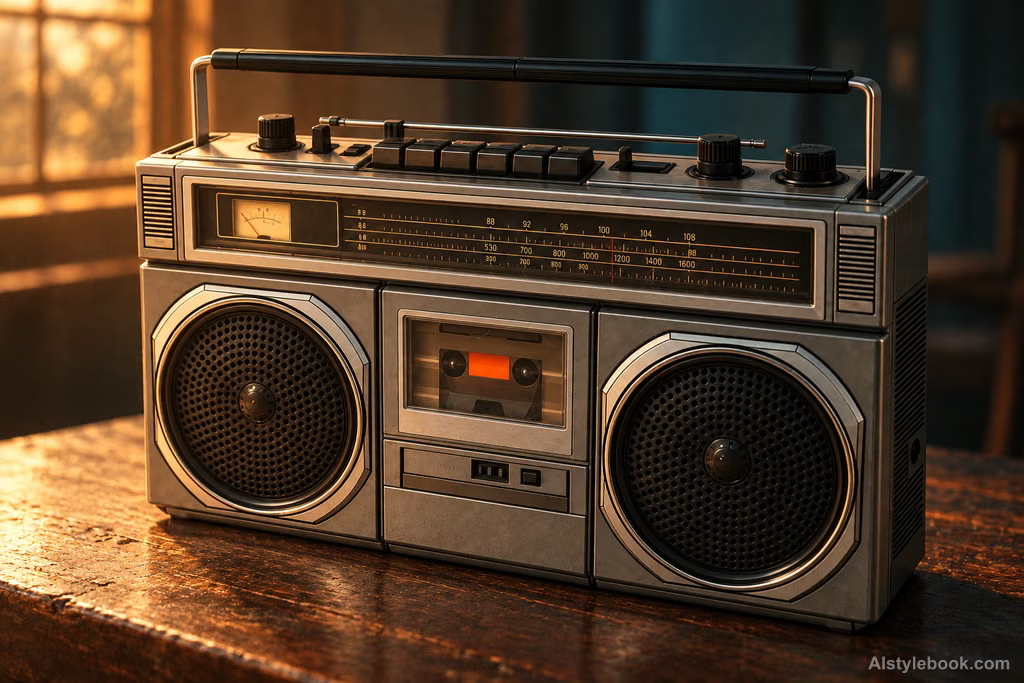
ObjectsStyle effect
The visual language
What is Cinematic Film Still?
Directional key light separates subjects and space into narrative layers while readable shadows retain clues. Gentle highlights and irregular grain make a single frame feel caught inside a larger story.
Cinematic lighting distributes attention between revealed details and withheld information, with grading tying them together.
A warm doorway illuminating a profile against a cool room can suggest events beyond the frame.
How the style changes different subjects
- Portrait
- Side lighting and warm-cool contrast emphasize expression while the background recedes, making the person feel like a character in a scene.
- Landscape
- Pools of light separate foreground, distance and focal points, giving streets or valleys a sense of narrative depth.
- Objects
- Highlights pick out the silhouette and key materials; surrounding details make an object feel like a story prop.
- Subjects
- Choose side-lit portraits, layered streets or still lifes with some surrounding context so the lighting can establish a clear focus.
Bring the style to your photos
Reusable style prompt for Cinematic Film Still
Shape the image with the tonal depth of motion-picture film photography. Use a clearly directional key light, restrained fill, and natural cast shadows to establish a narrative atmosphere. Coordinate warm and cool tones, soften highlight roll-off, retain shadow detail, and add fine, irregular film grain. Let sharp and defocused areas transition smoothly. Keep materials believable and avoid sharpening halos or excessive lighting effects.Use the same style prompt for portraits, landscapes and objects.
Create with this styleKeep exploring


