
Photography & Film
35mm Film
Style guide
Soft warm tones, fine grain and slight highlight halation create gentle, natural film nostalgia.


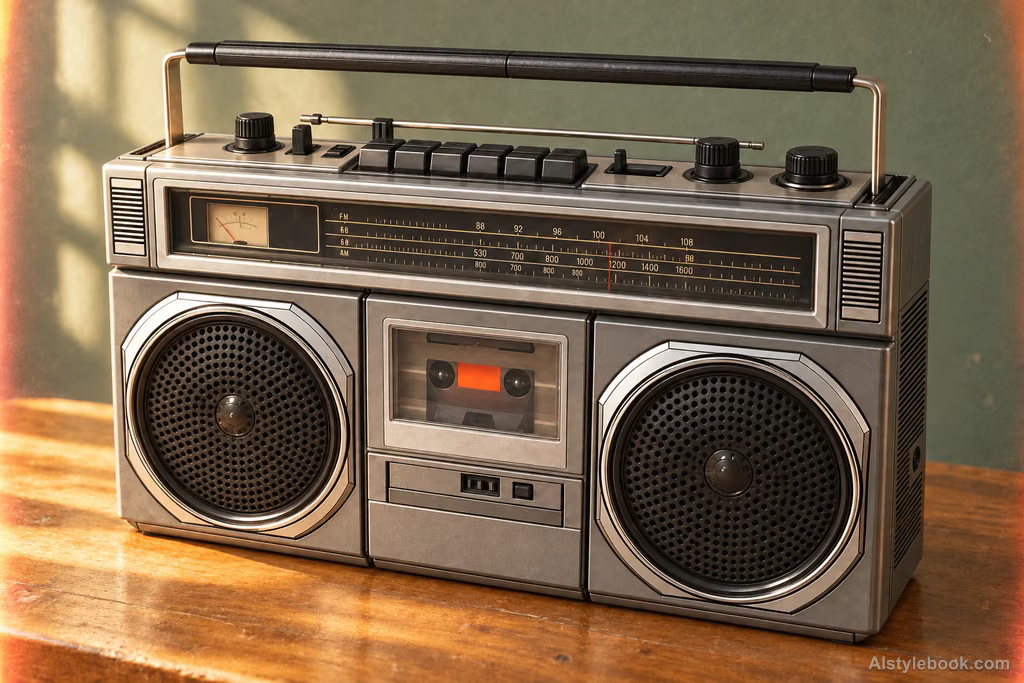
The visual language
What is 35mm Film?
Warm midtones, compressed highlights and fine irregular grain evoke color-negative film. Slight halation stays around bright areas without obscuring existing detail.
35 mm names a film format rather than one fixed palette; this treatment emphasizes a color-negative appearance.
A sunlit white shirt can retain gentle detail while fine grain becomes apparent only on closer inspection.
How the style changes different subjects
- Portrait
- Skin tones or grayscale transitions soften; grain and uneven tones reduce digital crispness while keeping expression central.
- Landscape
- Skies, haze and distance become gentler, with grain and tonal shifts suggesting the passage of time.
- Objects
- Grain breaks up fine surface detail and contrasts smooth highlights with the character of a photographic plate or print.
- Subjects
- Choose naturally lit portraits, gardens, older streets and simple still lifes with readable shadows and highlights.
Background
The Science Museum Group records production of the Leica I from 1925 with a 24 × 36 mm image on 35 mm film. Warm color and grain describe one film treatment rather than a fixed palette shared by every 35 mm stock.
Bring the style to your photos
Reusable style prompt for 35mm Film
Simulate the gentle response curve of color negative film, combining slightly warm midtones, subdued natural colors, and fine, irregular silver-halide grain. Give highlights slight halation and smooth compression; gently lift shadows without losing tonal separation. Keep color transitions soft and nuanced. An extremely faint trace of light leakage is acceptable, but the image should remain clear and believable. Avoid heavy brown filters or large obscuring light patches.Use the same style prompt for portraits, landscapes and objects.
Create with this styleKeep exploring


