
Illustration & Design
Crayon
Style guide
Heavy crooked black lines and grainy crayon blocks retain childlike marks, making forms naive but recognizable on ivory paper.
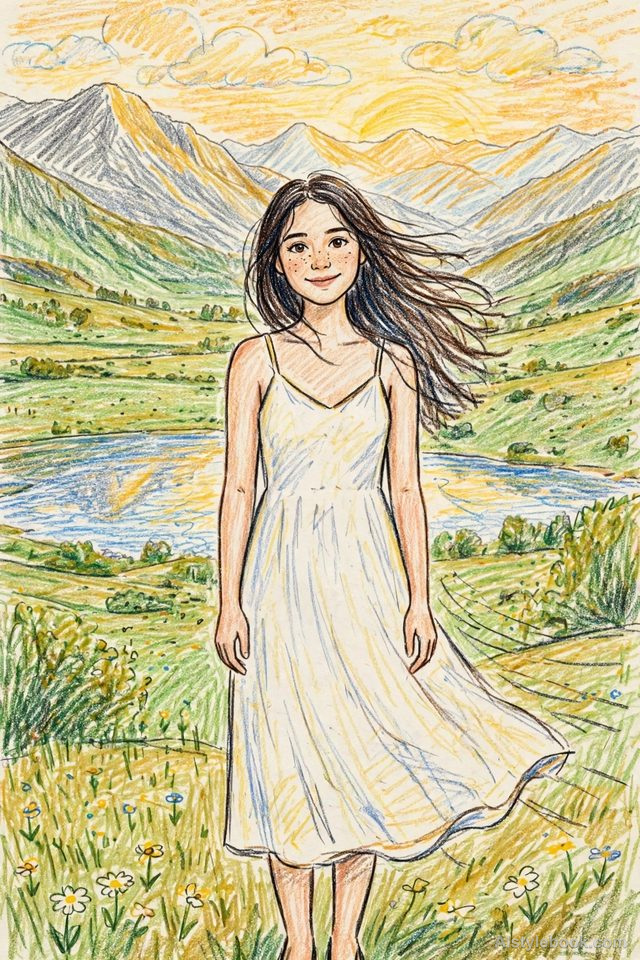
PortraitStyle effect
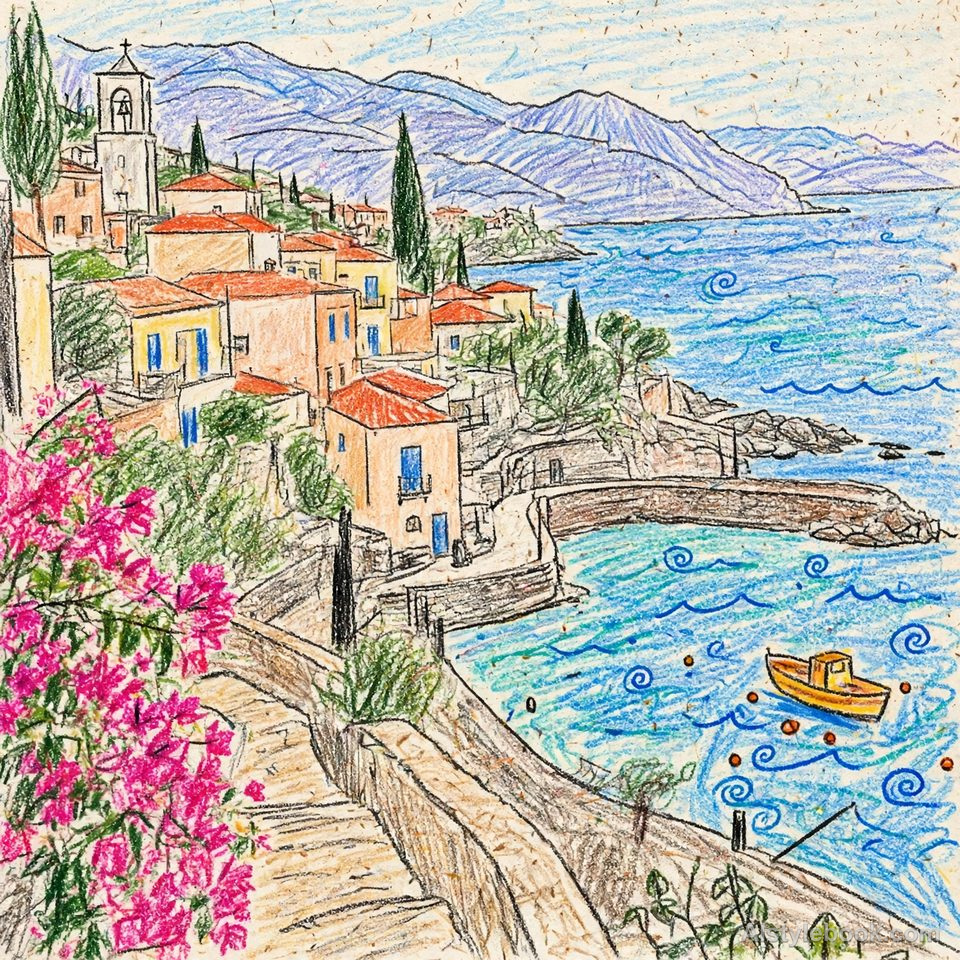
LandscapeStyle effect
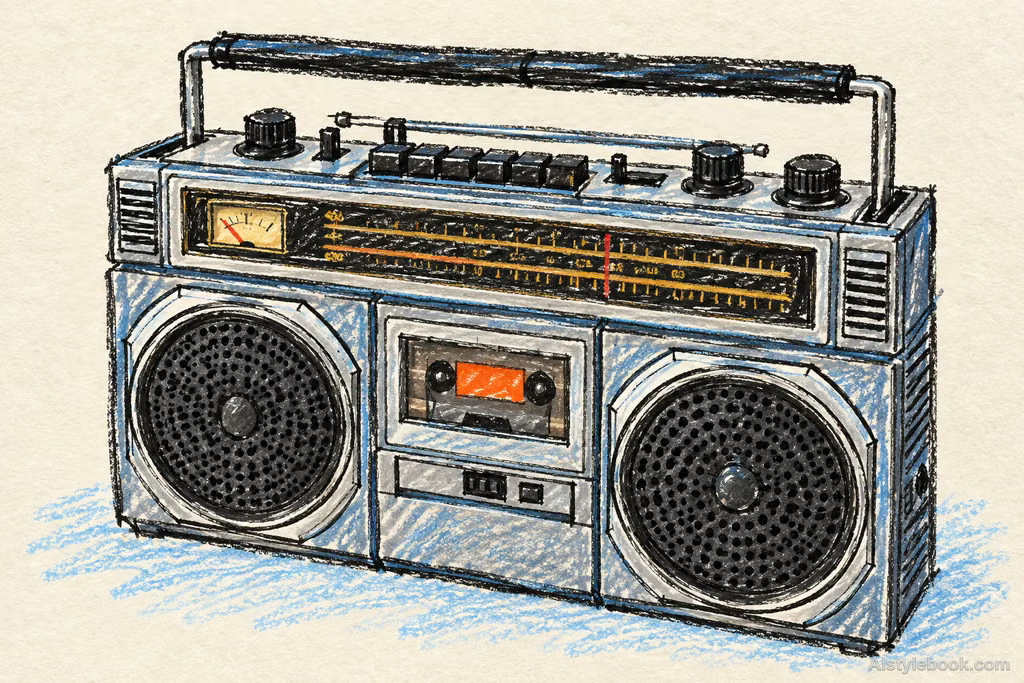
ObjectsStyle effect
The visual language
What is Crayon?
Crooked heavy lines and gapped crayon fills retain repeated rubbing, with small overshoots recalling earnest children’s drawings. Naive proportions still keep the action recognizable.
Broken coverage and repeated rubbing give crayon marks their texture; simplified proportions add character.
An oversized sun and crooked roof can still form a clear, direct picture.
How the style changes different subjects
- Portrait
- Broad lines and waxy color simplify features and poses, making expression more direct and proportions freer.
- Landscape
- Buildings, trees and sky become bold areas of broken color with a lively hand-drawn feel.
- Objects
- Shapes become simpler and rounder; broad marks or bare paper replace precise reflections.
- Subjects
- Choose pets, family figures, gardens or simple everyday objects with clear silhouettes and color separation.
Bring the style to your photos
Reusable style prompt for Crayon
Reorganize the subject with children's wax crayon, colored pencil, and marker on rough ivory paper. Make black contours heavy and slightly crooked, with repeated rubbing, grain, gaps, and occasional coloring outside the lines. Use naive perspective and proportions while keeping key positions and movement readable. Moderately intensify the existing color relationships, simplifying secondary detail and preserving breathing room. Aim for the earnest, handmade feeling of a childhood memory drawing.Use the same style prompt for portraits, landscapes and objects.
Create with this styleKeep exploring


