
Anime & Comics
Dynamic-Line Shonen Manga
Style guide
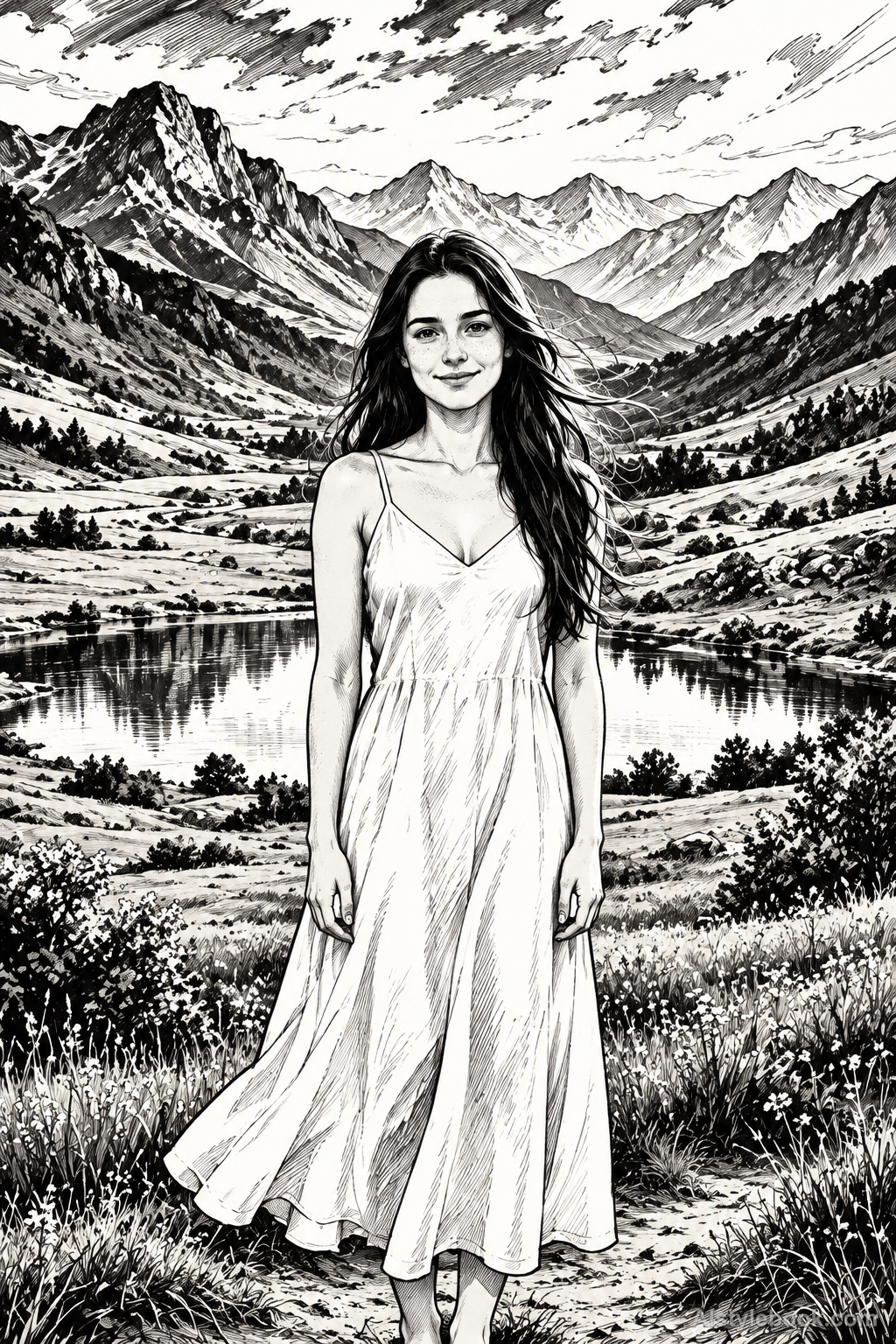
Strong tapered ink and black wedges reinforce structure.


The visual language
What is Dynamic-Line Shonen Manga?
Strong tapered ink and black wedges reinforce structure. Directional hatching follows the existing pose and perspective, with a few force lines adding tension.
Dynamic shonen linework organizes weight and directional marks around an action.
A heavy fist contour and forearm hatching converging toward it can make a still pose feel charged with potential movement.
How the style changes different subjects
- Portrait
- Sharper eyes, hair and action lines strengthen the pose, with folds following movement.
- Landscape
- Directional buildings, roads and clouds create an energetic setting.
- Objects
- Hard lines emphasize machinery and sporting equipment, with sharp highlights suggesting force.
- Subjects
- Choose running, jumping or confrontational poses, vehicles, sporting objects or strongly receding settings.
Variant relationship
A dynamic-line shonen variant of black-and-white manga. Compare with Monochrome Screentone Manga.
General screentone manga may use even outlines and dense tone patterns. This variant increases line-weight contrast and black masses, replacing broad screentones with focused tapered hatching without forcing new action into the reference.
Bring the style to your photos
Reusable style prompt for Dynamic-Line Shonen Manga
Preserve the source identity, pose, clothing, object structure and scene perspective. Redraw in black-and-white dynamic-line shonen manga with strong tapering brush-ink contours, selected deep black wedges and tightly directed hatching that follows existing limbs, architecture and object planes. Add only a few restrained force-line accents along existing scene diagonals. Keep the original calm pose rather than inventing combat or motion. Prefer energetic line weight and structural black shapes over broad mechanical screentone. Avoid shouting expressions, muscles added to the subject, weapons, fantasy costumes, speed-line backgrounds that erase the scene, sound-effect lettering, dialogue or panels.Use the same style prompt for portraits, landscapes and objects.
Create with this styleKeep exploring


