
Anime & Comics
Retro Cel
Style guide
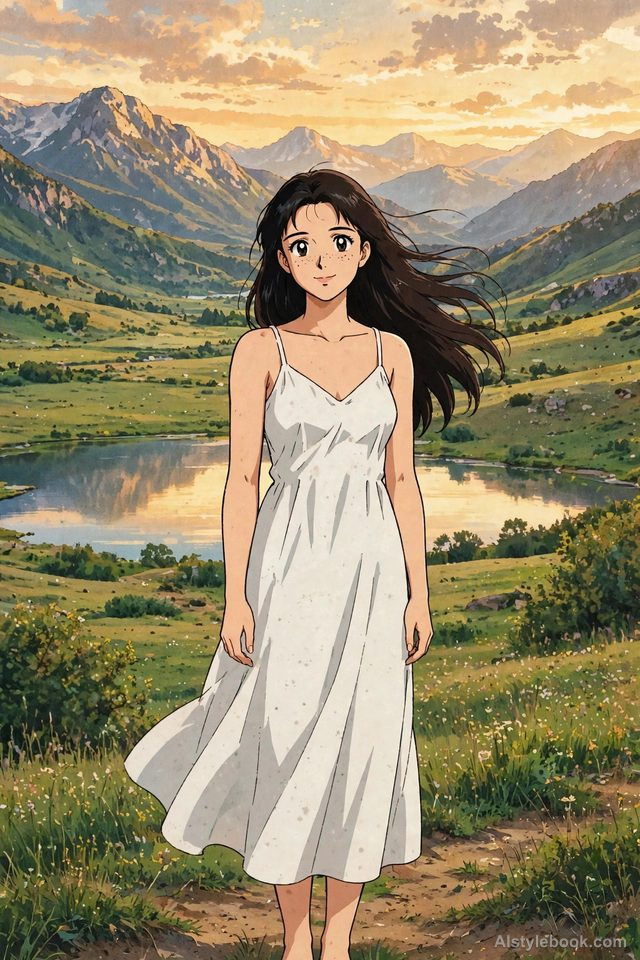
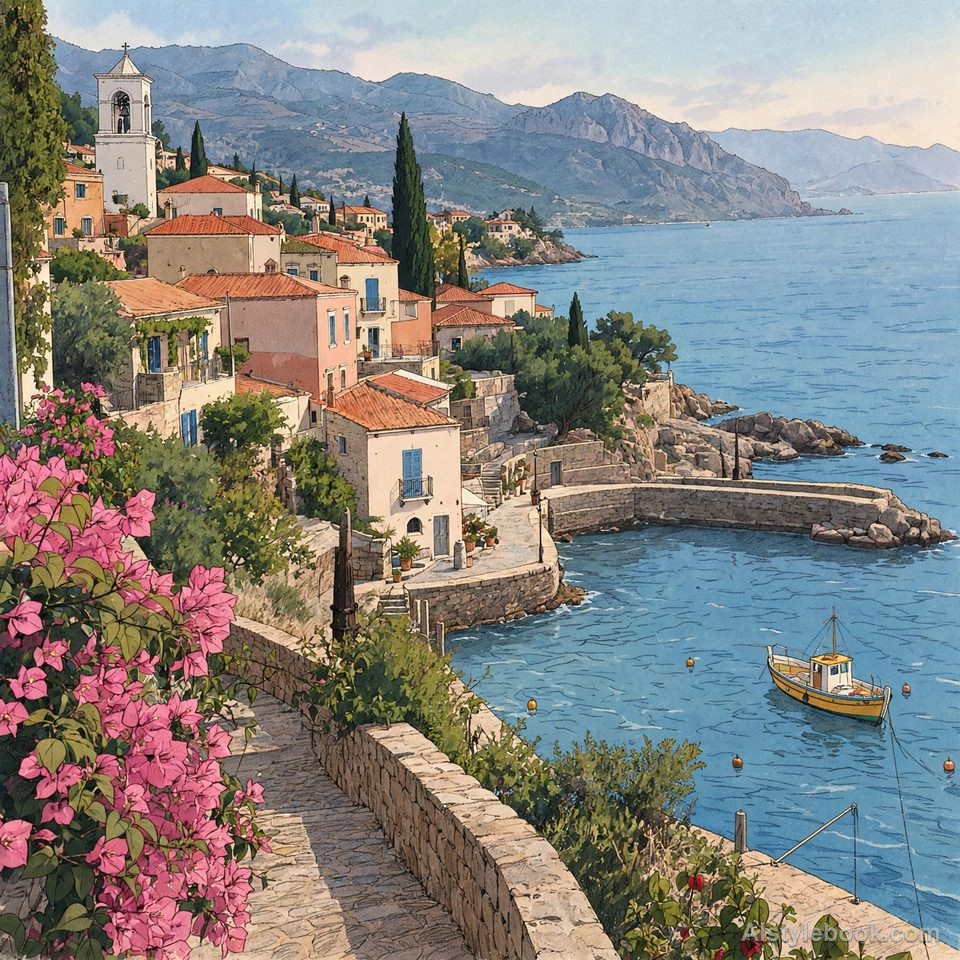
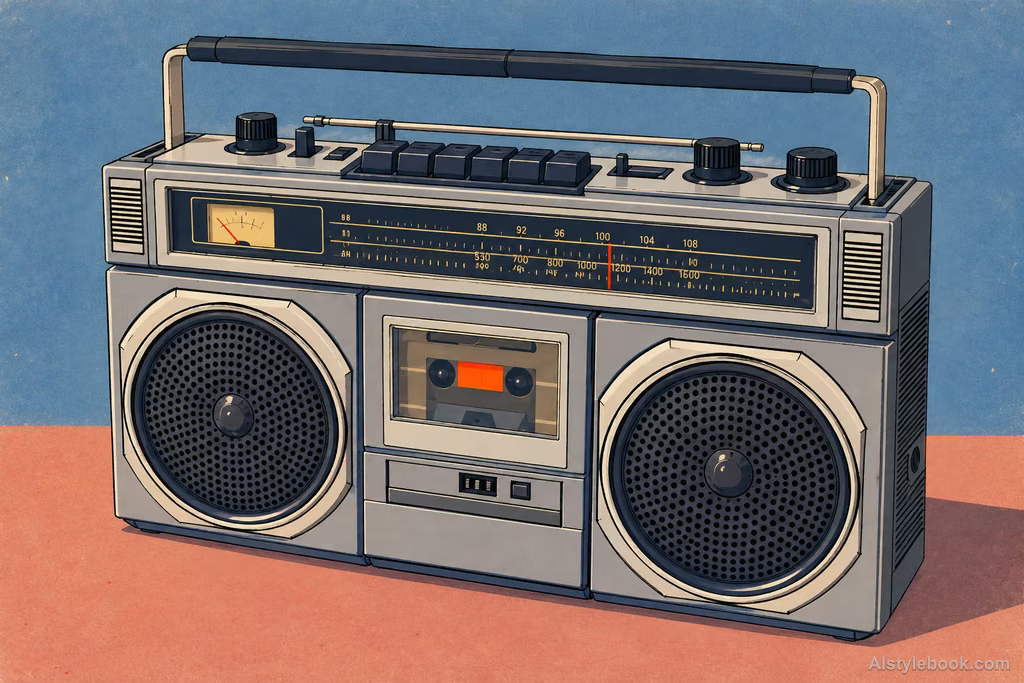
Clearly bounded shadow shapes, slightly irregular ink lines and soft scanning grain create nostalgic animation-film texture.
The visual language
What is Retro Cel?
Slightly irregular ink lines enclose a limited palette with clearly bounded shadows. Small color misregistration and scan grain suggest a hand-drawn frame passed through film and print.
Cel animation separates moving figures from painted backgrounds.
A character's two-tone blue coat against a softly painted street can reveal this division while retaining consistent lighting.
How the style changes different subjects
- Portrait
- Defined lines and a few hard-edged shadow tones strengthen the character design of face, hair and clothing.
- Landscape
- Painted color planes and clear silhouettes make buildings and trees read like animation backgrounds.
- Objects
- Hard-edged highlights and shadows simplify materials into crisp object shapes.
- Subjects
- Choose portraits, clearly clothed full figures, streets or distinctive objects rather than texture-dependent subjects.
Background
The Met explains how traditional cel animation painted moving figures on transparent sheets and photographed them before fixed backgrounds. Outlines and reverse-side paint produced clear front-facing color fields, providing a material basis for the cel look.
Bring the style to your photos
Reusable style prompt for Retro Cel
Simulate the texture of hand-drawn animation film from the 1990s. Let ink lines retain slight handmade irregularities, with a limited, consistent palette and clearly bounded shadow shapes. Colors should resemble opaque paint layered on transparent animation cels. Include extremely slight color misregistration, soft scanning texture, and fine film grain. Keep structures clear, avoiding continuous three-dimensional gradients and a modern, plastic-smooth finish.Use the same style prompt for portraits, landscapes and objects.
Create with this styleKeep exploring


