
Painting & Drawing
Japanese Minimal Watercolor Print
Style guide
A few high-key translucent washes sit within broad warm paper, balanced by tiny pencil traces.
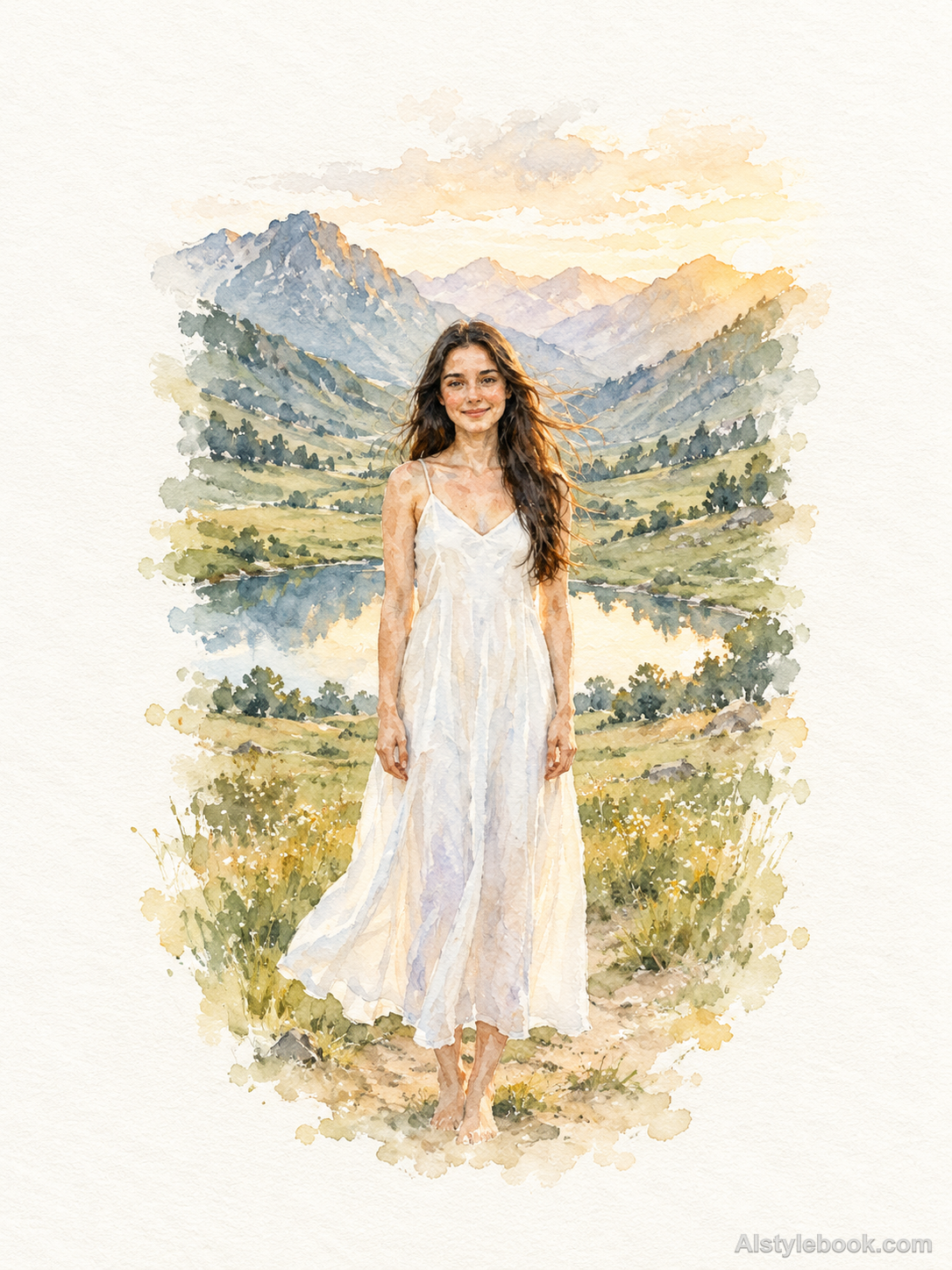
PortraitStyle effect
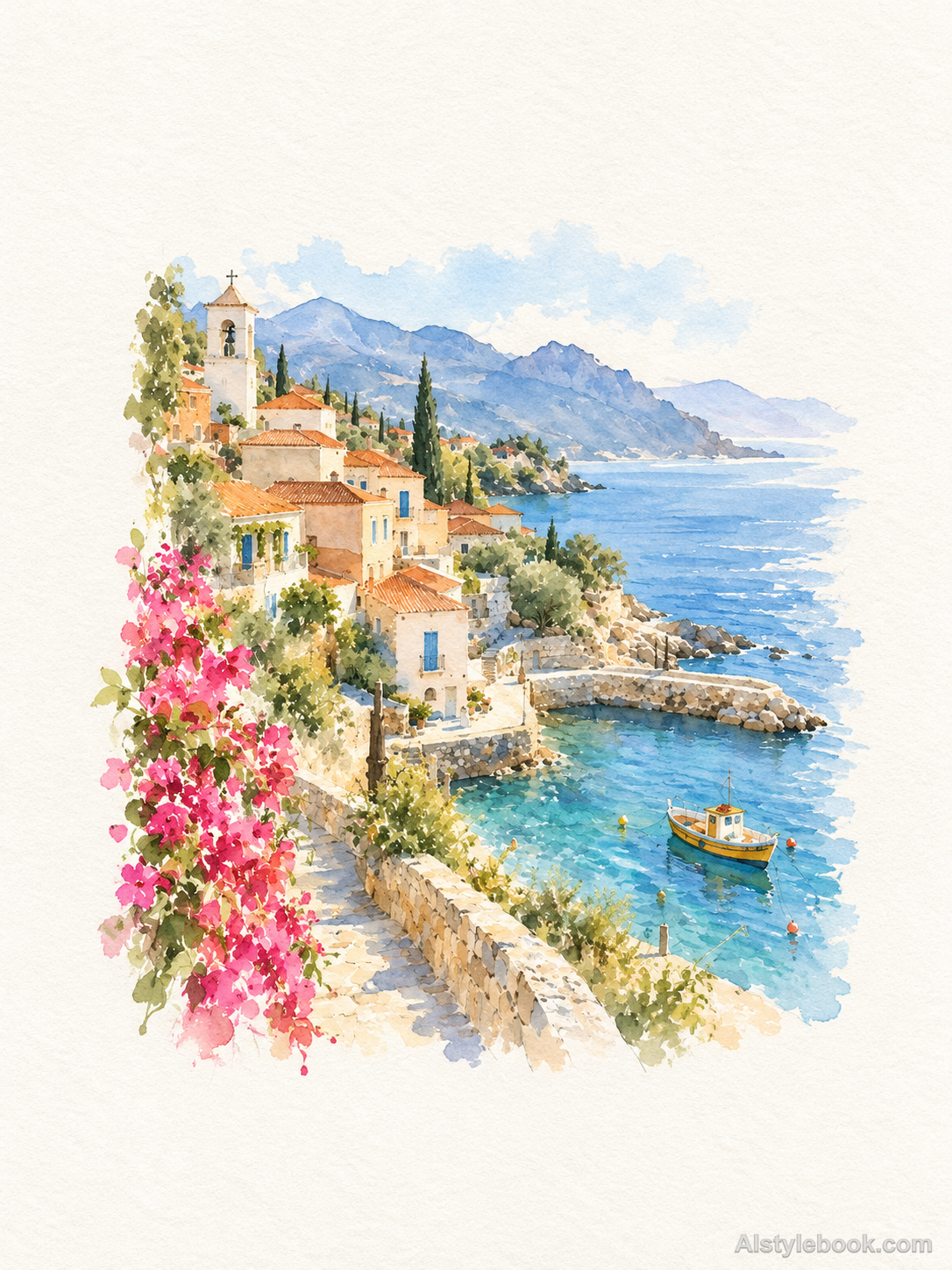
LandscapeStyle effect
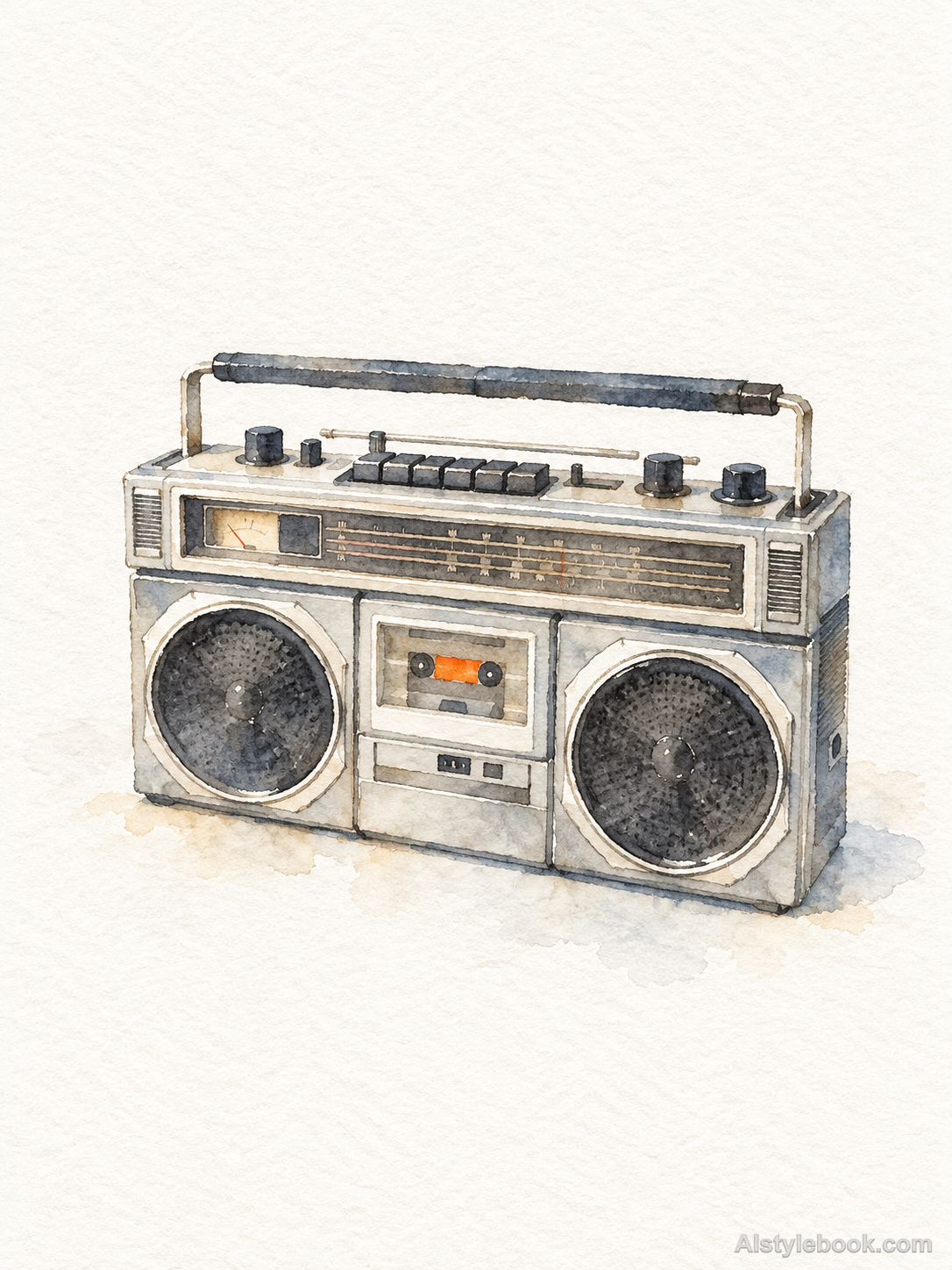
ObjectsStyle effect
The visual language
What is Japanese Minimal Watercolor Print?
A few luminous washes, soft wet edges and tiny pencil traces retain only essential clues. Slightly asymmetric placement and broad warm paper make the composition quiet but intentional.
Minimal watercolor prints use the relationship between a small image and broad paper space.
A pale bridge with a thin pencil arch placed off-center can remain distinct without filling the page.
How the style changes different subjects
- Portrait
- A few lines and pale washes describe the face, reducing clothing detail and emphasizing surrounding space.
- Landscape
- Sparse marks describe trees, hills and houses; blank paper becomes mist, water or sky.
- Objects
- Minimal outlines and washes favor shape and spacing over surface texture.
- Subjects
- Choose a single plant stem, lone tree, tea vessel or simple profile against an uncluttered background.
Bring the style to your photos
Reusable style prompt for Japanese Minimal Watercolor Print
Summarize the subject as a small minimalist painting within broad, continuous warm-white watercolor paper. Use only a few high-key translucent pigment masses, low-saturation colors and tiny pencil traces to express identifying features. Let soft wet edges dissolve into the paper. Keep details economical and balance subtly asymmetric, allowing a few shapes, pale layers and fine paper grain to establish a quiet, airy Japanese-print character.Use the same style prompt for portraits, landscapes and objects.
Create with this styleKeep exploring


