
Paper & Collage
Paper Cutout
Style guide
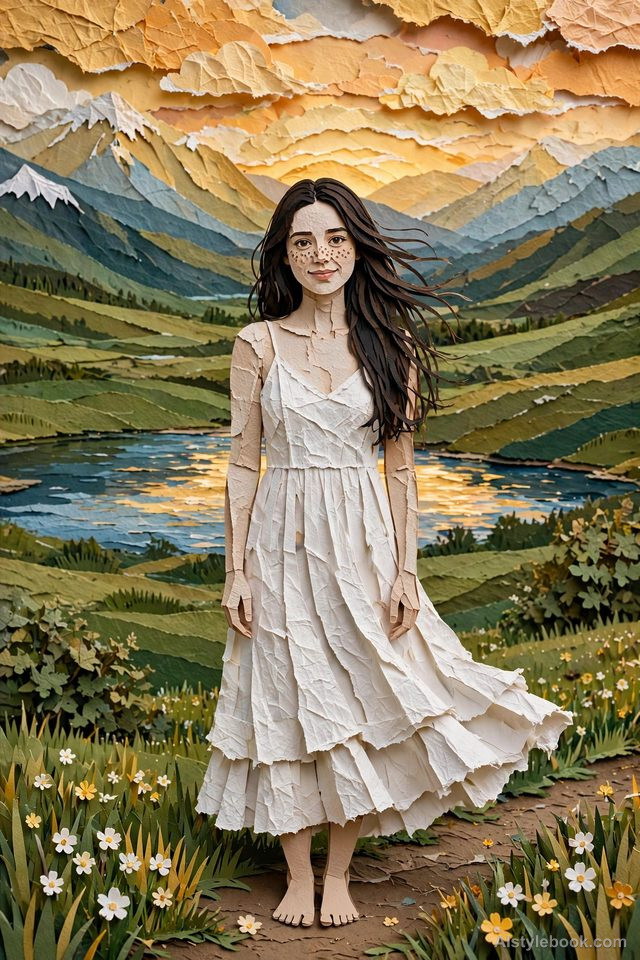
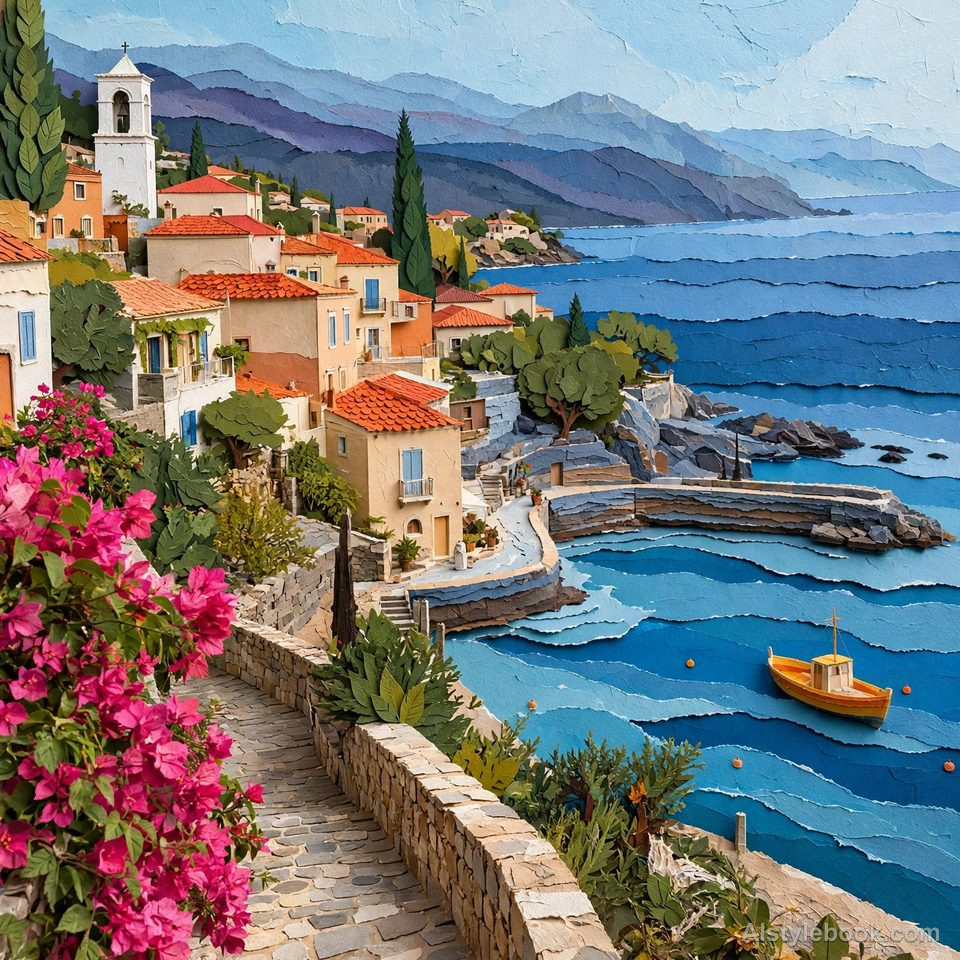
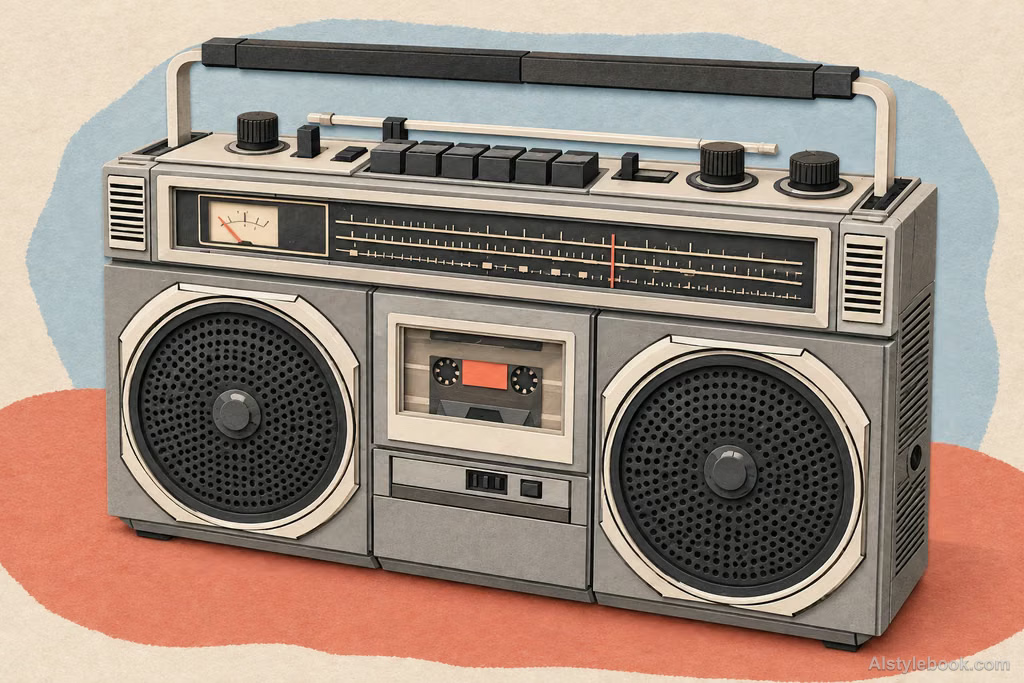
Slightly irregular paper edges, paper fibers and thin shadows between layers create a gentle cut-paper collage with tangible thickness.
The visual language
What is Paper Cutout?
Matte colored paper builds the image through cut contours and overlapping silhouettes. Slightly uneven edges and short shadows between sheets give flat color a gentle sense of depth.
Cut paper builds depth through separate shapes, overlaps and small edge shadows.
Three mountain layers in different paper tones can suggest distance with only a narrow shadow between them.
How the style changes different subjects
- Portrait
- Layered paper simplifies face, hair and clothing, with cast shadows supplying volume.
- Landscape
- Separate paper layers turn hills, trees and buildings into readable depth and overlap.
- Objects
- Cut planes and paper edges replace original reflections with layered shadows.
- Subjects
- Choose profiles, layered woodland or clearly shaped objects without densely packed small parts.
Craft and history
Late in life, Matisse cut painted paper and rearranged the pieces, treating color and contour as direct compositional materials.
Artists & practitioners
Creators to know
Henri Matisse
His late painted-paper cut-outs show how contour, flat color and open space can organize a composition.
Bring the style to your photos
Reusable style prompt for Paper Cutout
Break the subject into layered shapes resembling real cut paper, preserving slight irregularities in hand-cut contours. Show restrained paper fibers and embossing, with harmonious colored sheets forming simple color blocks. Establish space through thin, soft cast shadows, overlapping shapes, and visible paper thickness. Maintain the matte finish and flat character of the paper. Avoid plastic gloss or the heavy volume of sculptural objects.Use the same style prompt for portraits, landscapes and objects.
Create with this styleKeep exploring


