
Paper & Collage
Torn Paper Collage
Style guide
Fibrous torn edges and lifted paper corners rebuild clear layers, with soft paper tones and a single accent suggesting carefully torn paper.

PortraitStyle effect
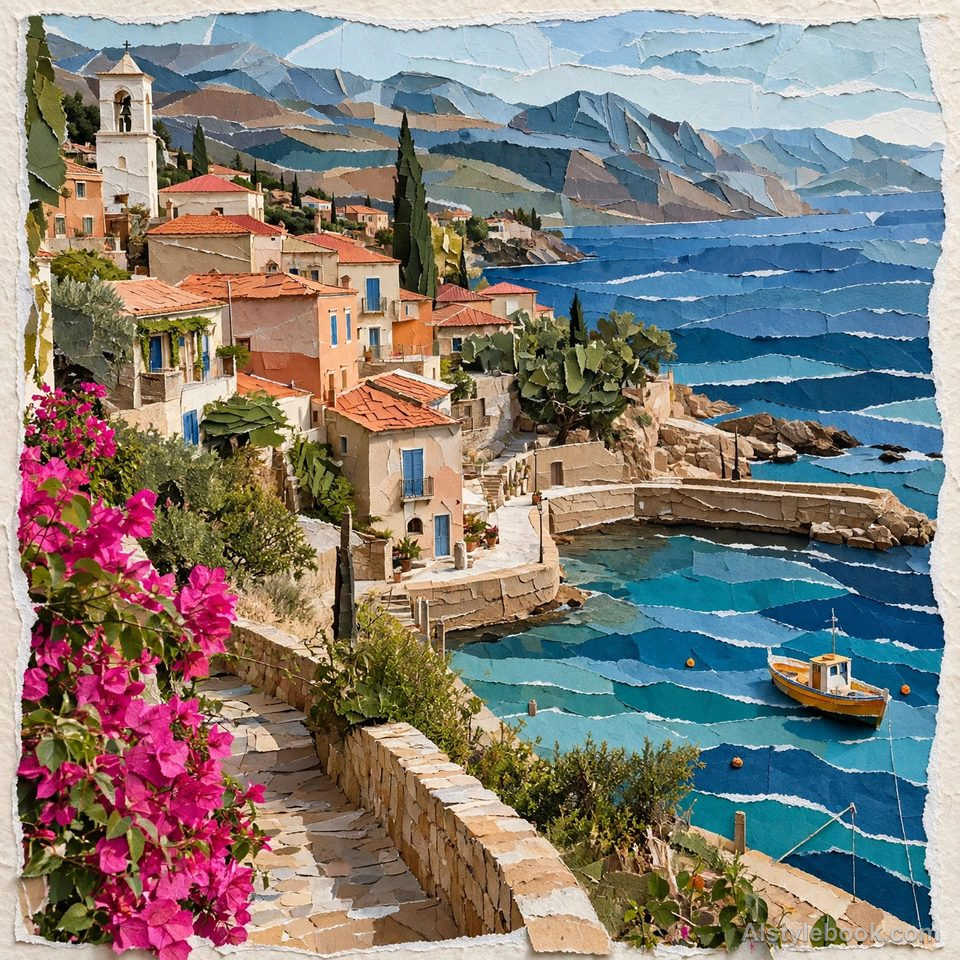
LandscapeStyle effect
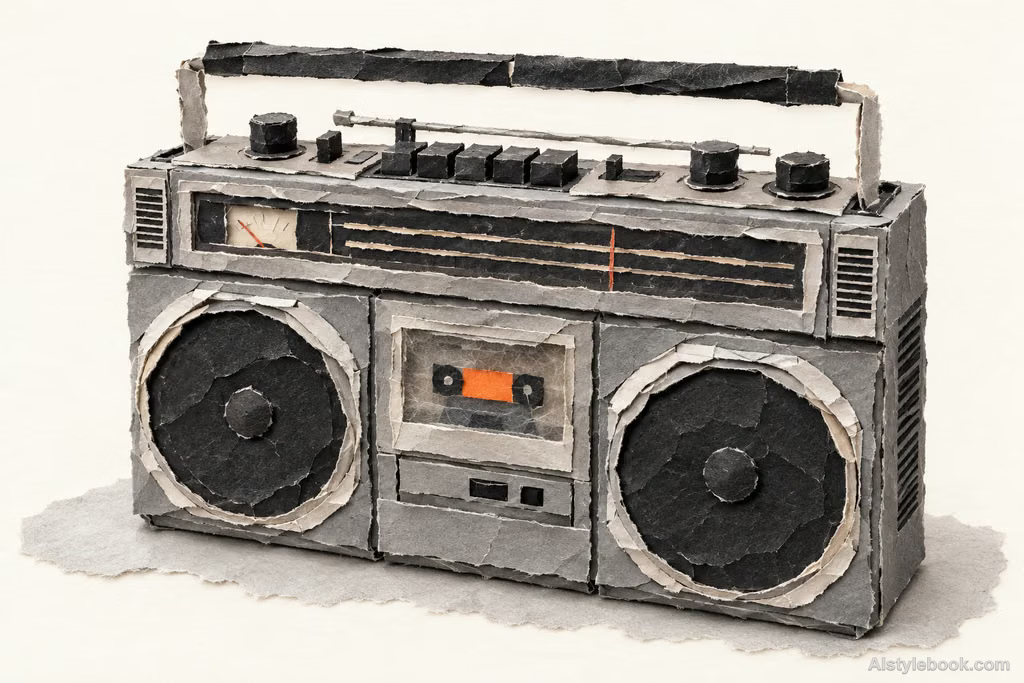
ObjectsStyle effect
The visual language
What is Torn Paper Collage?
Fibrous torn edges replace hard cut contours, while lifted corners and short shadows gently raise each color field. Soft paper tones with one accent keep numerous fragments readable.
Torn edges expose fibers and irregularities that differ from a clean cut.
Overlapping pale scraps with visible soft edges can make clouds feel light and physically assembled.
How the style changes different subjects
- Portrait
- Torn pieces interrupt continuous skin and clothing tones while pose anchors recognition.
- Landscape
- Overlapping fragments turn architecture, terrain and sky into a collage of memories.
- Objects
- Different paper textures replace surfaces while key silhouettes remain.
- Subjects
- Choose travel portraits, streets, landscapes or keepsakes with broad shapes that survive torn edges.
Bring the style to your photos
Reusable style prompt for Torn Paper Collage
Rebuild the subject with hand-torn fibrous paper, thin sheets, and coarse-textured card. Follow the principal spatial direction, removing repetitive detail while retaining clear contours and layers. Show fuzzy fibrous edges, slight overlap, lifted corners, genuine thickness, and short cast shadows on each major paper shape. Reduce colors to a few soft paper tones with one key accent. Leave continuous ivory negative space, organizing density through varied paper-shape sizes and offset boundaries for a tactile but uncluttered result.Use the same style prompt for portraits, landscapes and objects.
Create with this styleKeep exploring


