
Materials & Craft
Plaster Relief
Style guide
Rough mineral grains, trowel marks and chipped edges form a thick relief whose limited matte colors emphasize material weight.
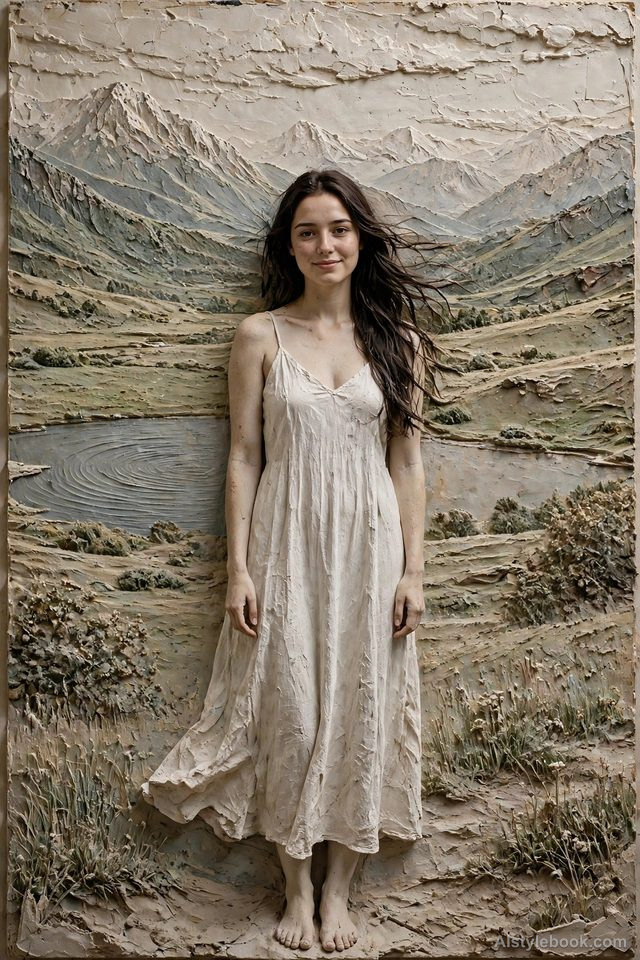
PortraitStyle effect
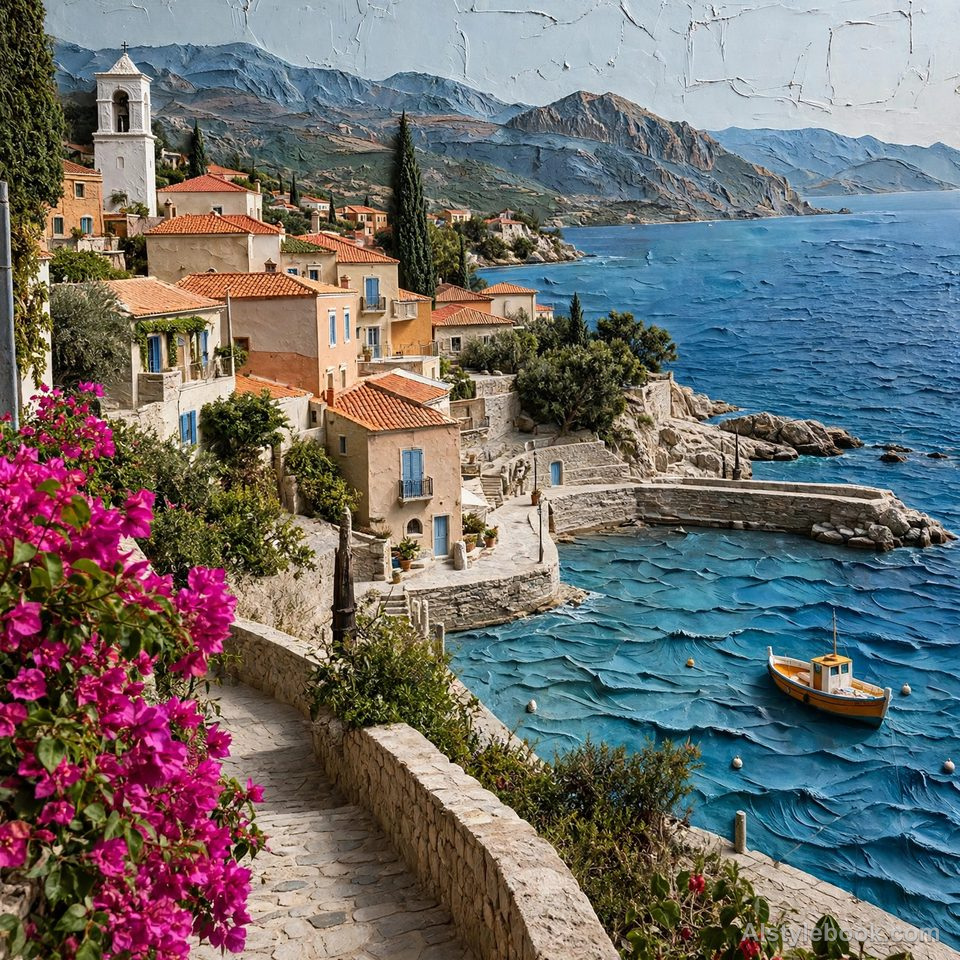
LandscapeStyle effect
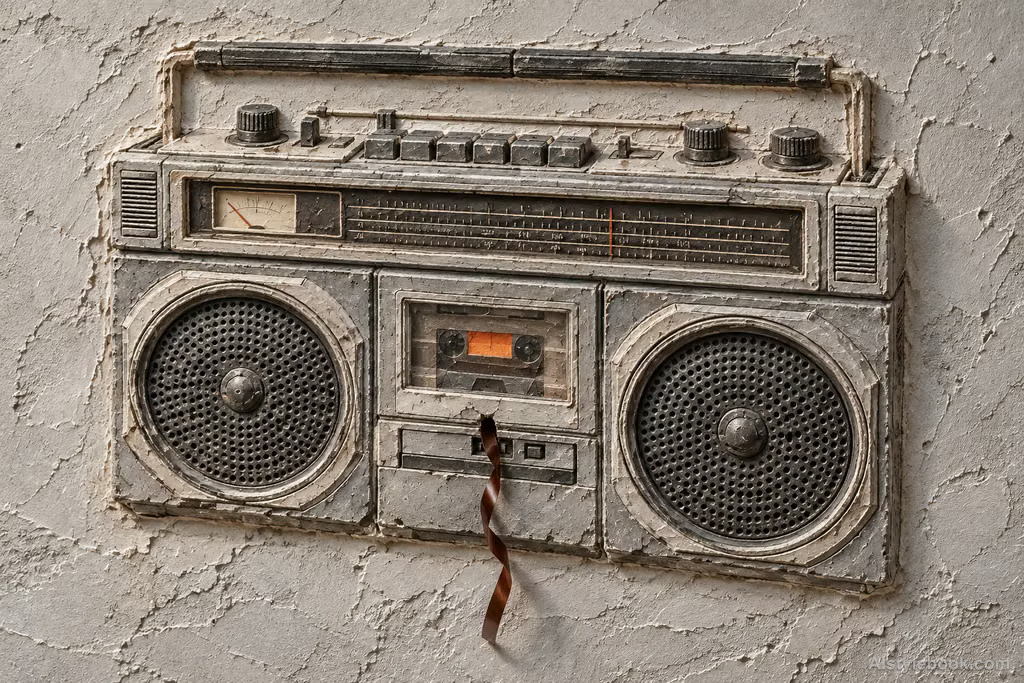
ObjectsStyle effect
The visual language
What is Plaster Relief?
Thick plaster compresses contours into raised and recessed planes, with trowel grain and chipped edges conveying weight. Restrained mineral colors and side light clarify the main forms while preserving rough detail.
Relief remains attached to a background plane, and raking light makes shallow height differences visible.
A short nose shadow can give a barely raised face a clear direction and weight.
How the style changes different subjects
- Portrait
- Shallow raised features and folds depend on side light rather than color for volume.
- Landscape
- Scenery compresses onto a shared surface, with fine shadows separating plants and buildings.
- Objects
- Reduced color and reflection leave contours, planes and cast shadows to describe the object.
- Subjects
- Choose profiles, foliage, facades or distinctive objects recognized primarily by shape.
Bring the style to your photos
Reusable style prompt for Plaster Relief
Compress the subject's key structures into a rough mineral bas-relief. Use layered thick blocks, visible side surfaces, and contact shadows to convey volume. Give the surface trowel marks, pressed impressions, grain, fine cracks, and chipped edges, unifying it with a few matte mineral colors. Let only one existing form extend slightly from an edge or fissure, with believable material continuity. Retain a broad, low-detail open area so the relief's weight contrasts with emptiness.Use the same style prompt for portraits, landscapes and objects.
Create with this styleKeep exploring


