
Materials & Craft
Sgraffito Plaster
Style guide
Ivory plaster is scraped to reveal a terracotta-red ground, with granular cut edges and fine parallel scratches producing clear shallow contrast.
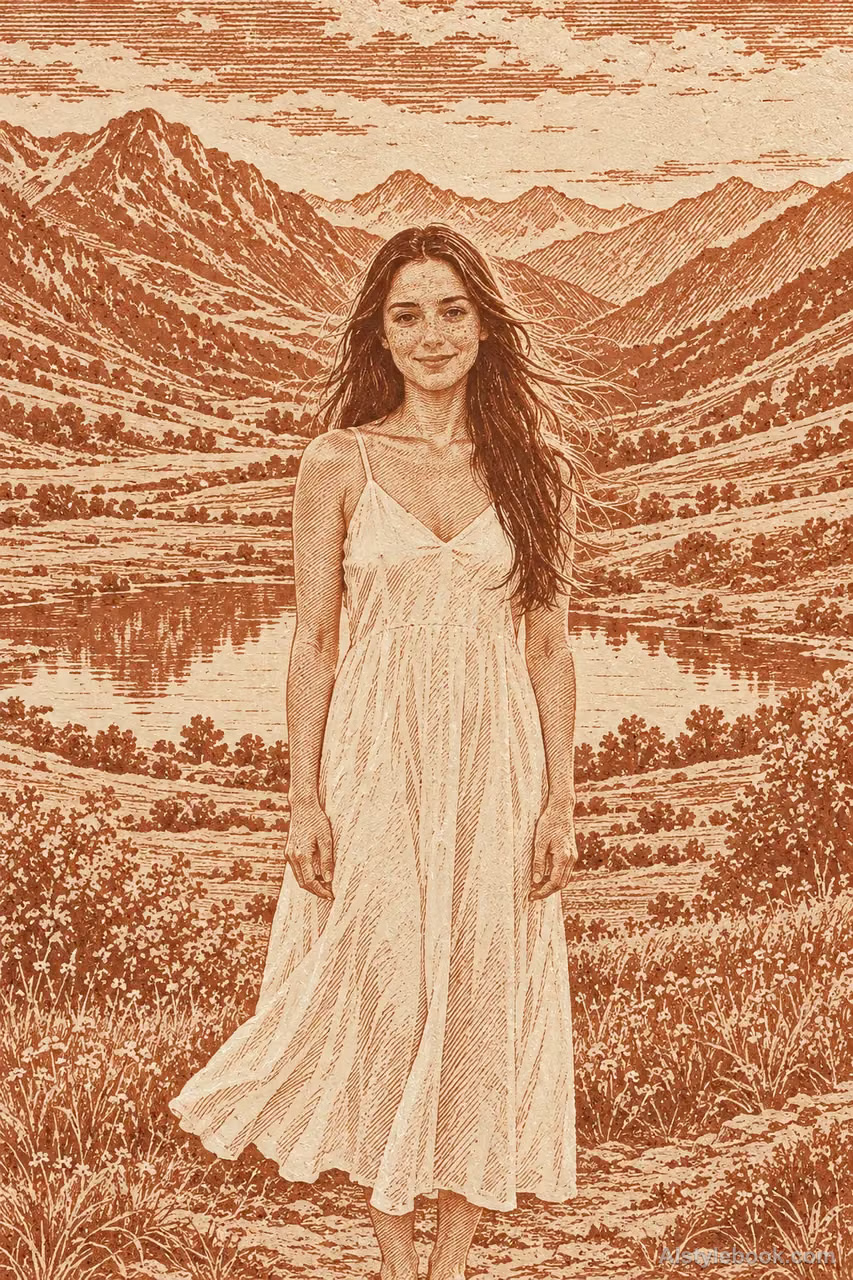
PortraitStyle effect
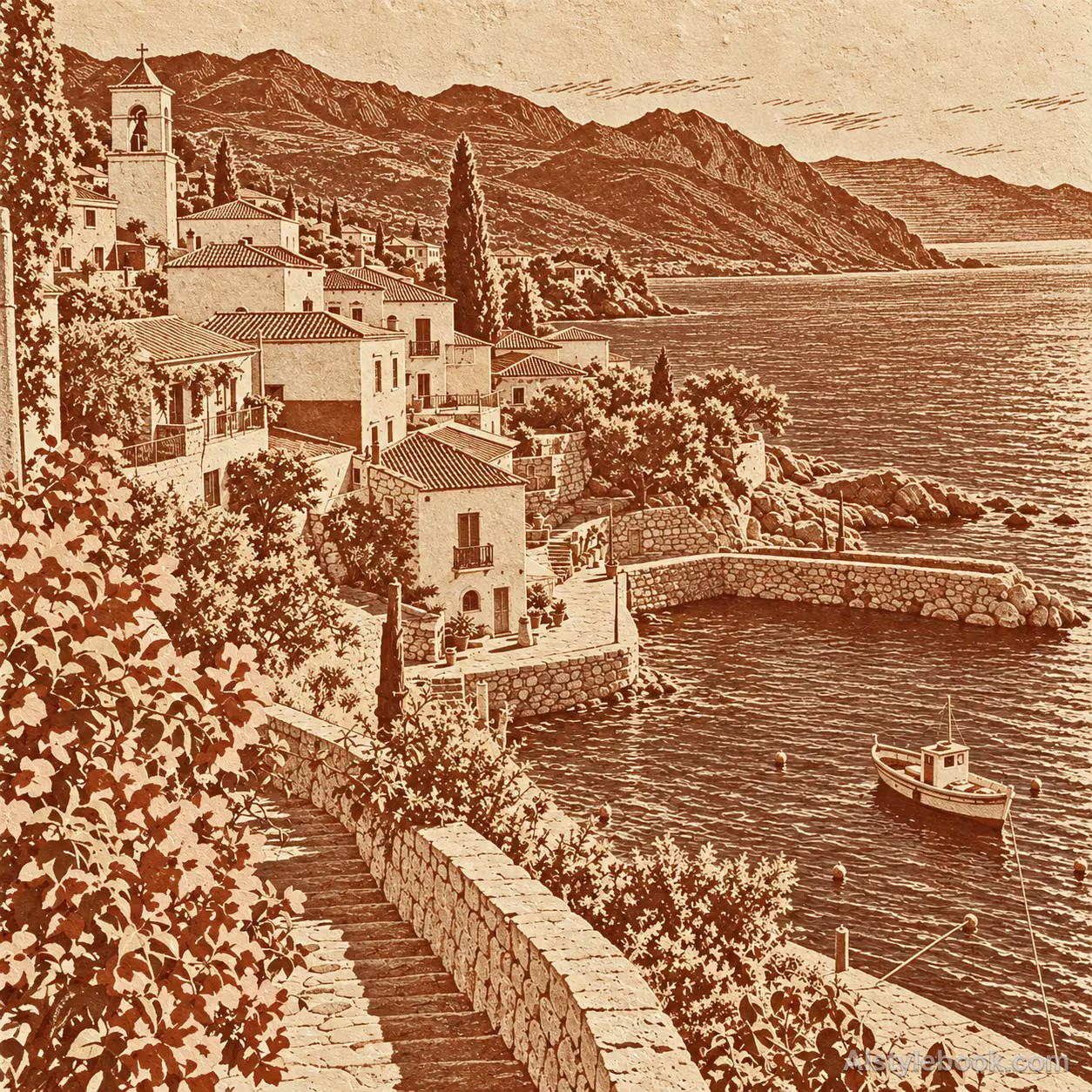
LandscapeStyle effect
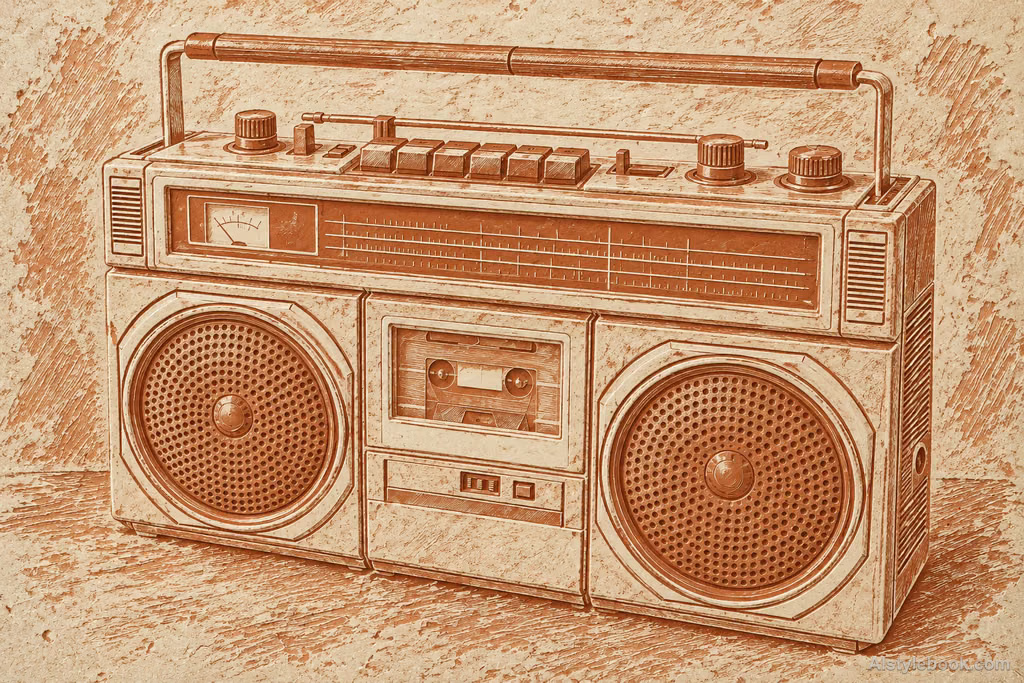
ObjectsStyle effect
The visual language
What is Sgraffito Plaster?
Scraping away ivory plaster exposes a terracotta-red layer, combining strong color contrast with shallow cut depth. Fine parallel scratches bridge broad exposed fields and untouched plaster to create tone.
Sgraffito removes an upper plaster layer to reveal a contrasting layer beneath.
Terracotta branches exposed through pale plaster can look discovered through scraping rather than drawn onto the wall.
How the style changes different subjects
- Portrait
- Pressed or scraped marks simplify features and clothing into rough tactile surfaces.
- Landscape
- Material textures and uneven edges separate buildings, rocks and plants.
- Objects
- Objects resemble impressions or incisions in a rough ground, emphasizing outline and texture.
- Subjects
- Choose bark, stone, architecture or strongly lit figures with a readable hierarchy of coarse and fine forms.
Bring the style to your photos
Reusable style prompt for Sgraffito Plaster
Translate the image into two-layer sgraffito plaster. Cover a terracotta ground with warm ivory lime plaster, defining forms by scraping away the upper layer. Alternate broad shallow cutaway areas with delicate scratched hatching according to the original values. Give edges fine lime grains and tiny chips, keeping all relief low. Soft side light emphasizes only cut-edge thickness, with red-white contrast and directional scraping expressing the complete structure.Use the same style prompt for portraits, landscapes and objects.
Create with this styleKeep exploring


