
Photography & Film
Rear-Curtain Flash Drag
Style guide
A sharp flash endpoint joins a continuous one-way fading trail, with subdued ambient exposure expressing rear-curtain temporal motion.
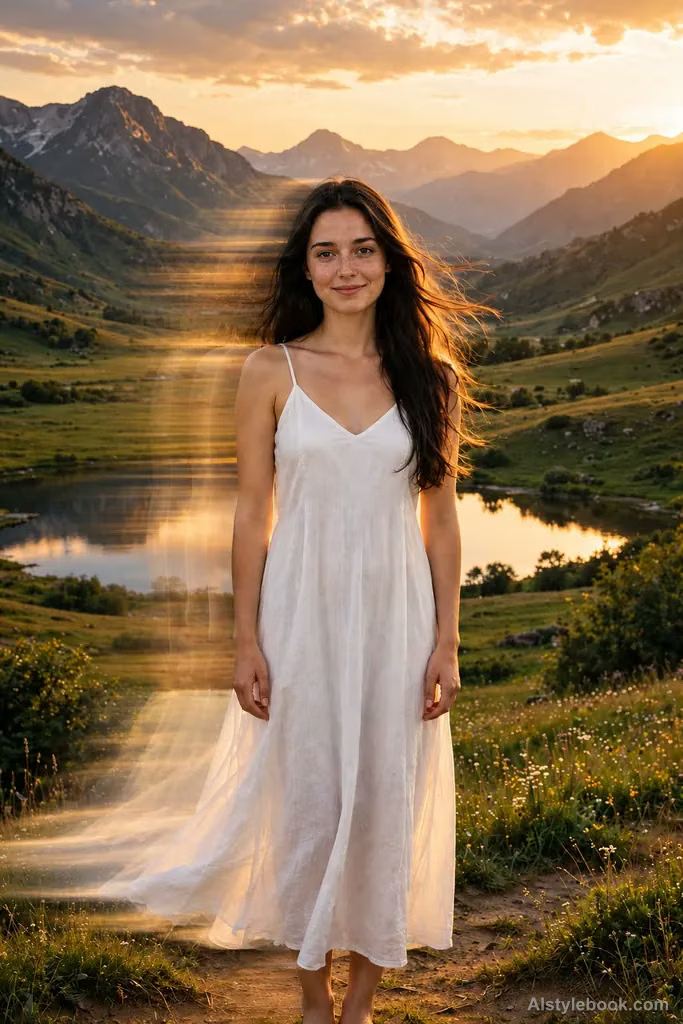
PortraitStyle effect
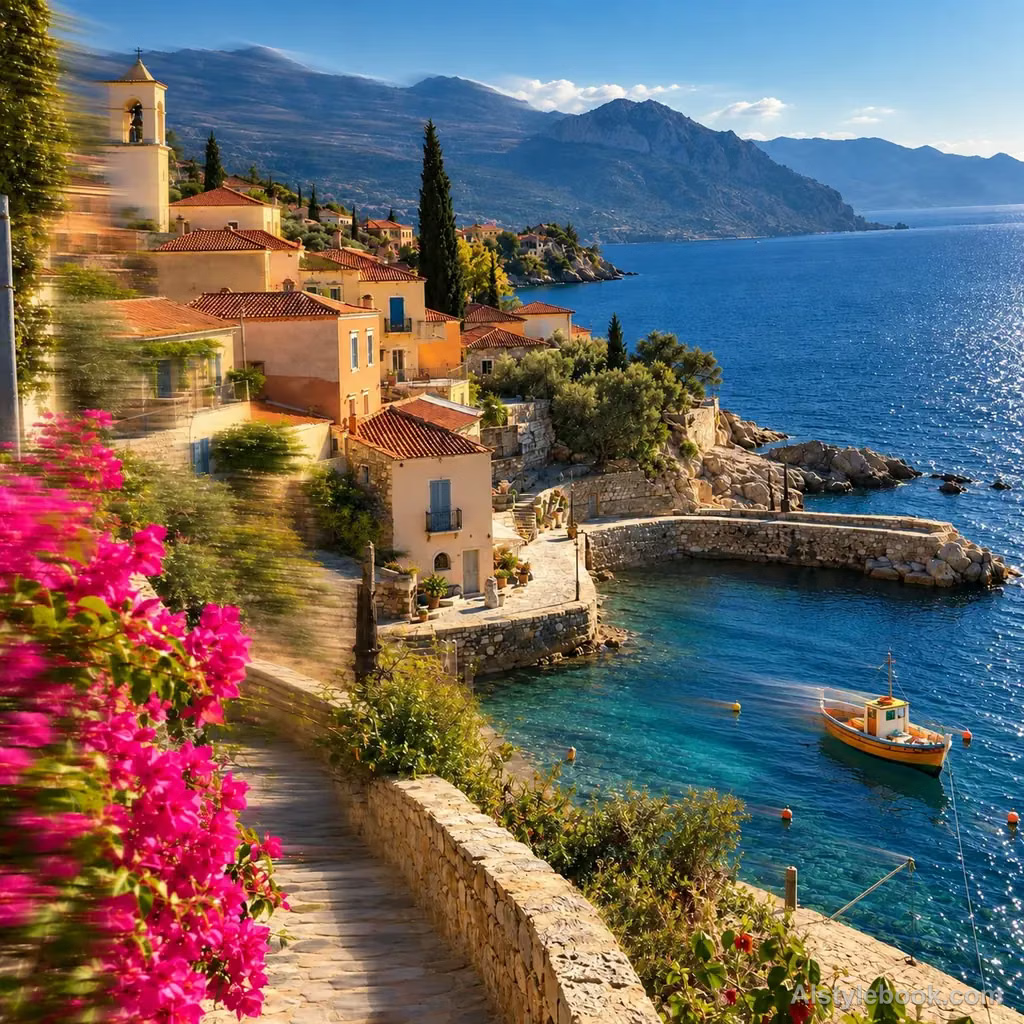
LandscapeStyle effect
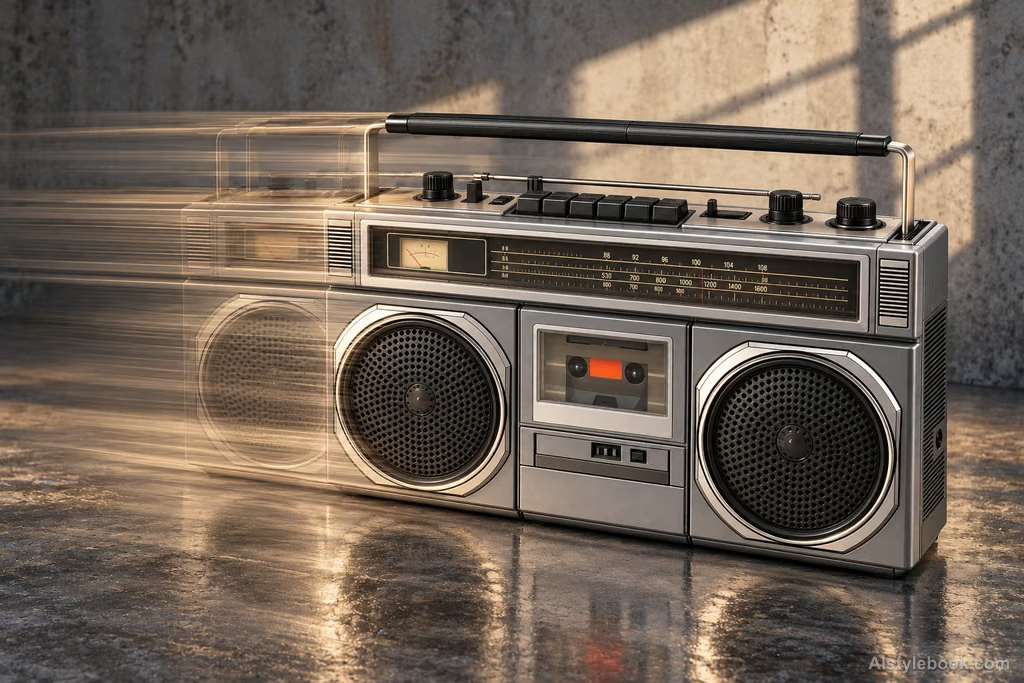
ObjectsStyle effect
The visual language
What is Rear-Curtain Flash Drag?
Slow ambient exposure leaves a continuous faint trail, and a final sharp flash records the endpoint. The trail fades in one direction, making time readable through its relationship to the crisp final position.
Rear-curtain flash places a sharp exposure near the end of an ambient-light trail.
A cyclist frozen at the end of a light streak can suggest both the preceding movement and its final position.
How the style changes different subjects
- Portrait
- A clear face or pose contrasts with moving light and trailing gestures, making the direction of motion more apparent.
- Landscape
- Buildings and hills anchor the scene while traffic lights, water or moving highlights trace the passage of time.
- Objects
- A readable silhouette can remain while reflections or light trails suggest rotation or movement around it.
- Subjects
- Choose night streets, dancers, traffic or objects with directional highlights. A clear anchor helps keep the trails readable.
Bring the style to your photos
Reusable style prompt for Rear-Curtain Flash Drag
Treat the image as a slow-shutter rear-curtain-flash photograph. Preserve one crisp endpoint exposure of the main forms, with a short continuous translucent directional trail extending to one side and gradually losing contour information. Slightly subdue the ambient exposure while gentle direct flash resolves the final moment. Retain natural colors and make the relationship between sharp endpoints and fading trails feel temporally continuous.Use the same style prompt for portraits, landscapes and objects.
Create with this styleKeep exploring


