
Photography & Film
Street Photography
Style guide
Slightly rough available light and candid timing create a natural, direct sense of everyday observation.
The visual language
What is Street Photography?
Candid rhythm comes from moving crowds, occlusions and fleeting intersections of light. Slightly rough surfaces and uneven exposure retain the immediacy of observing a street.
Street photography often finds brief alignments between gesture and surroundings.
A raised hand momentarily matching a wall graphic can make a composition feel contingent on that particular instant.
How the style changes different subjects
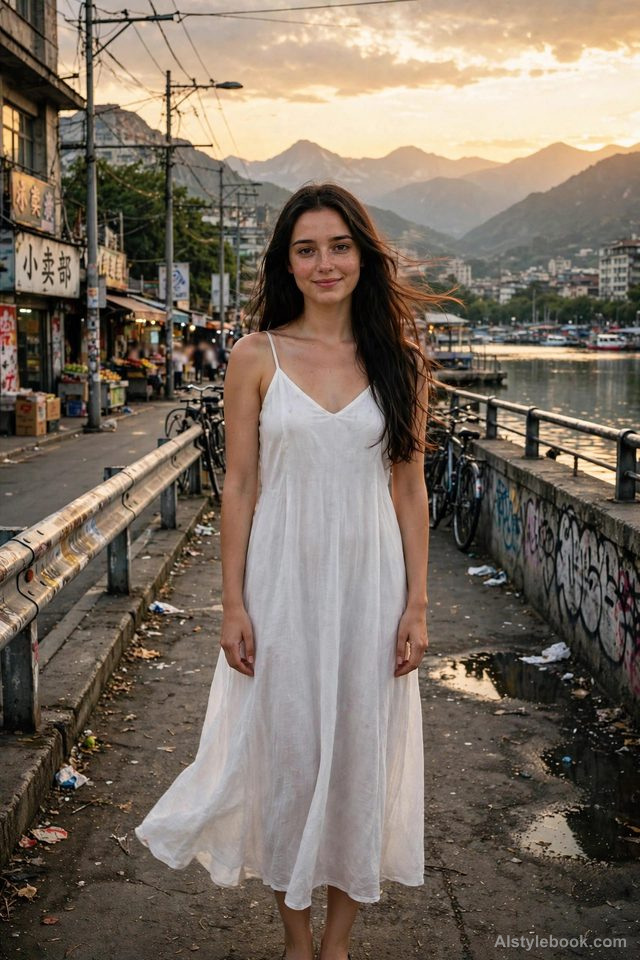
- Portrait
- Expression, skin texture and worn clothing take priority, strengthening the connection between a person and their surroundings.
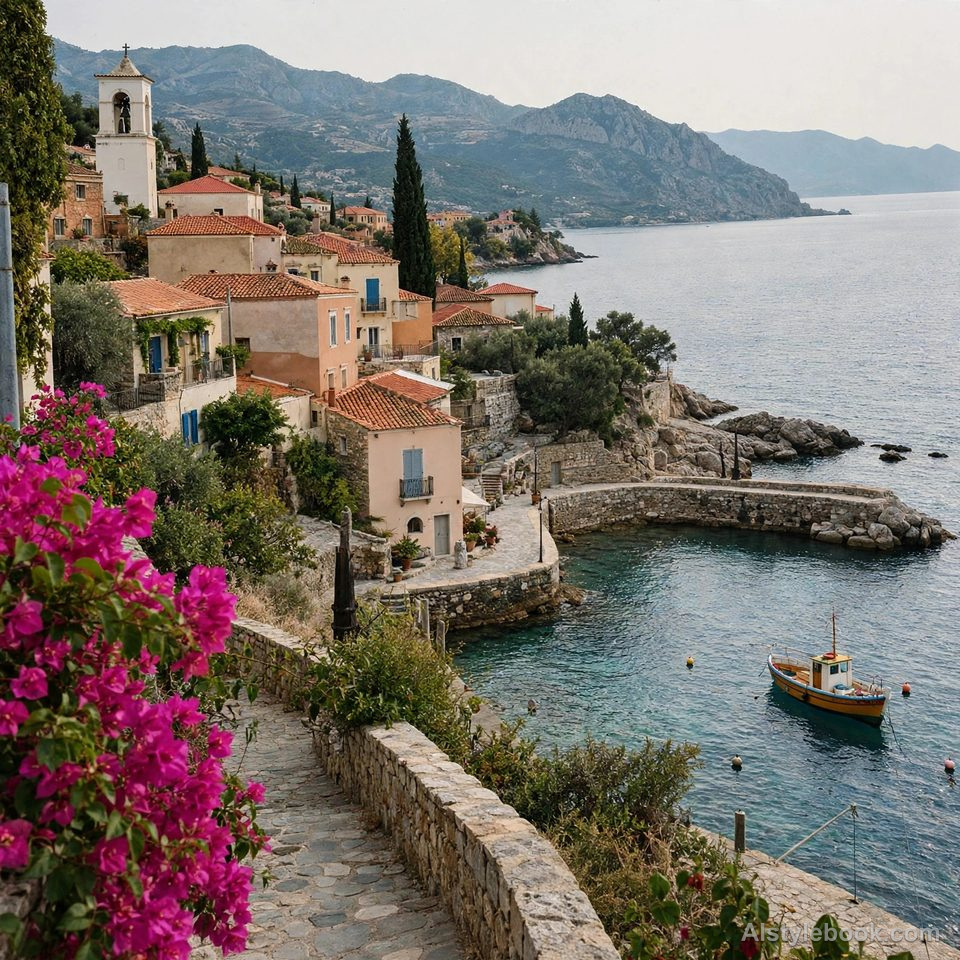
- Landscape
- Uneven light, worn surfaces and spatial detail remain visible, giving the scene the immediacy of an observed place.
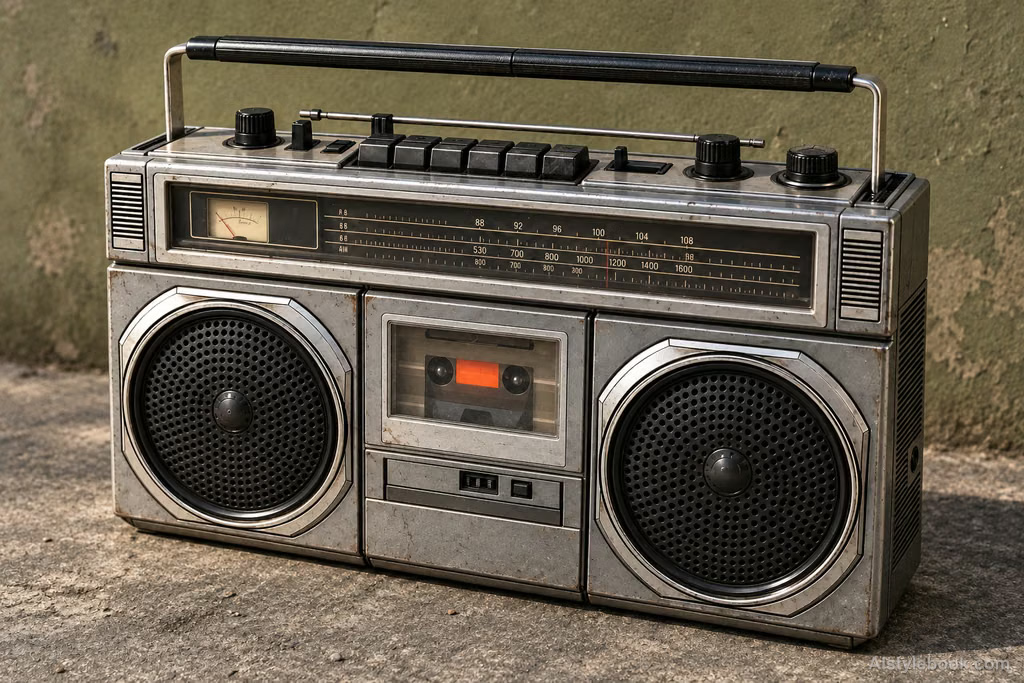
- Objects
- Scratches, creases and natural shadows make an object's age and use more apparent.
- Subjects
- Choose naturally lit people, lived-in streets or everyday objects with visible wear. Strong tonal separation is especially useful for the monochrome version.
Background
The Cartier-Bresson Foundation connects his work with observation, travel and the decisive moment. It offers one way to understand timing, gesture and spatial coincidence in street photography without defining a single method for all street images.
Artists & practitioners
Creators to know
Henri Cartier-Bresson
His observation and decisive-moment practice offer an important reference for candid street imagery.
Bring the style to your photos
Reusable style prompt for Street Photography
Give the image the immediacy of candid photography, using available light for direct, slightly rough tonal relationships. Preserve incidental uneven illumination, natural grain, and everyday material traces. Keep colors close to ordinary visual perception and contours clear without fully retouching every detail. Let composition and local sharpness retain the natural rhythm of an observed instant. Avoid the polished uniformity of commercial retouching.Use the same style prompt for portraits, landscapes and objects.
Create with this styleKeep exploring


