
Anime & Comics
Rotoscoped Realism
Style guide
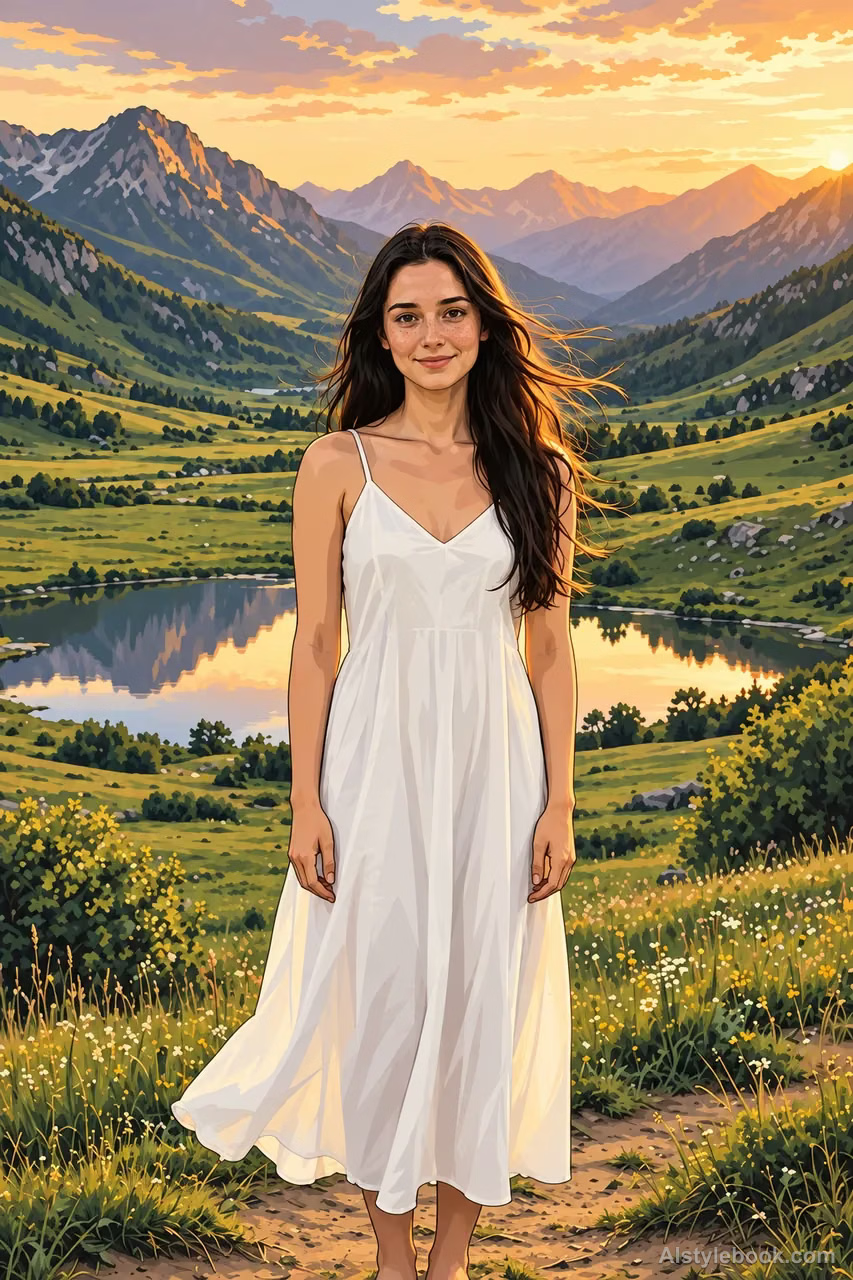
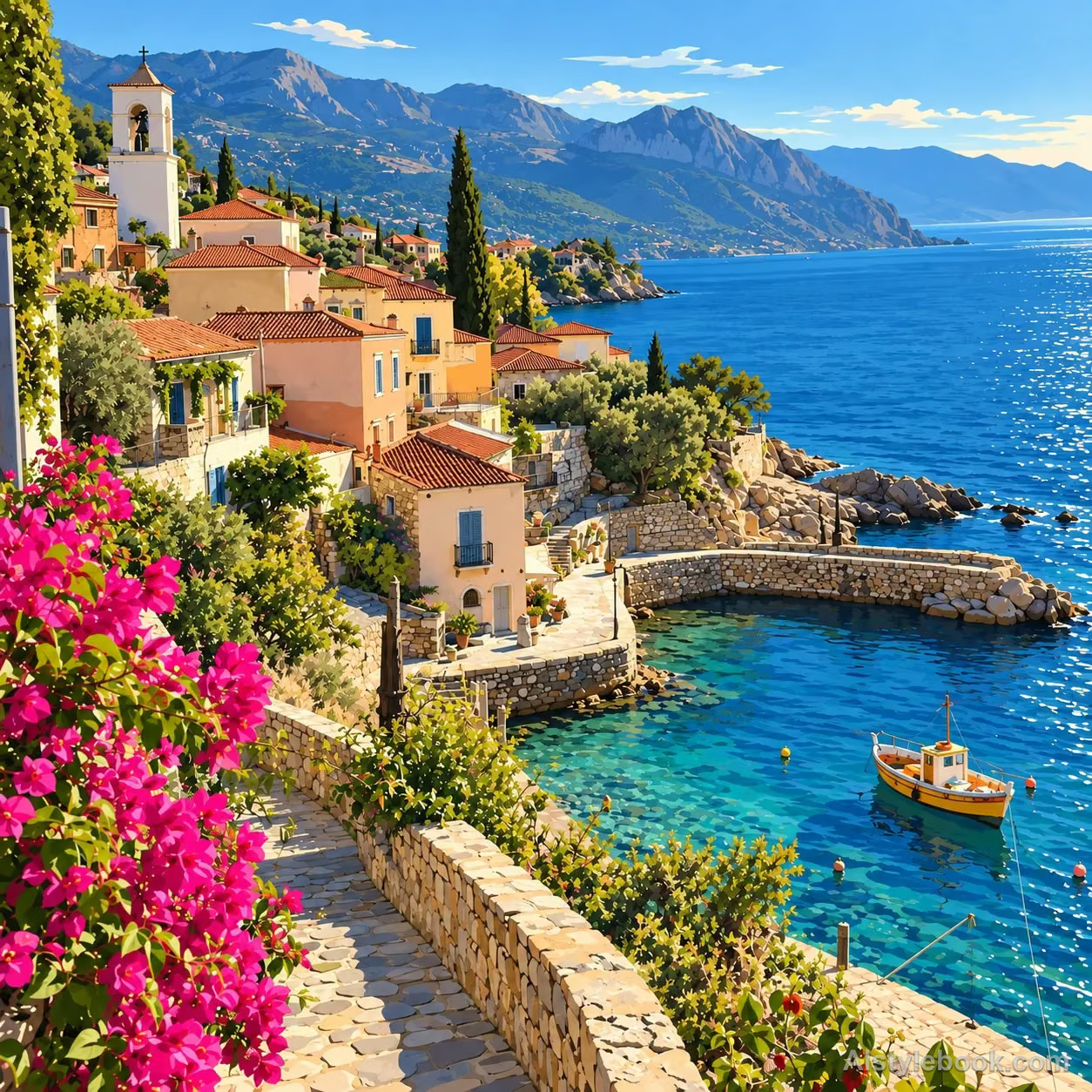
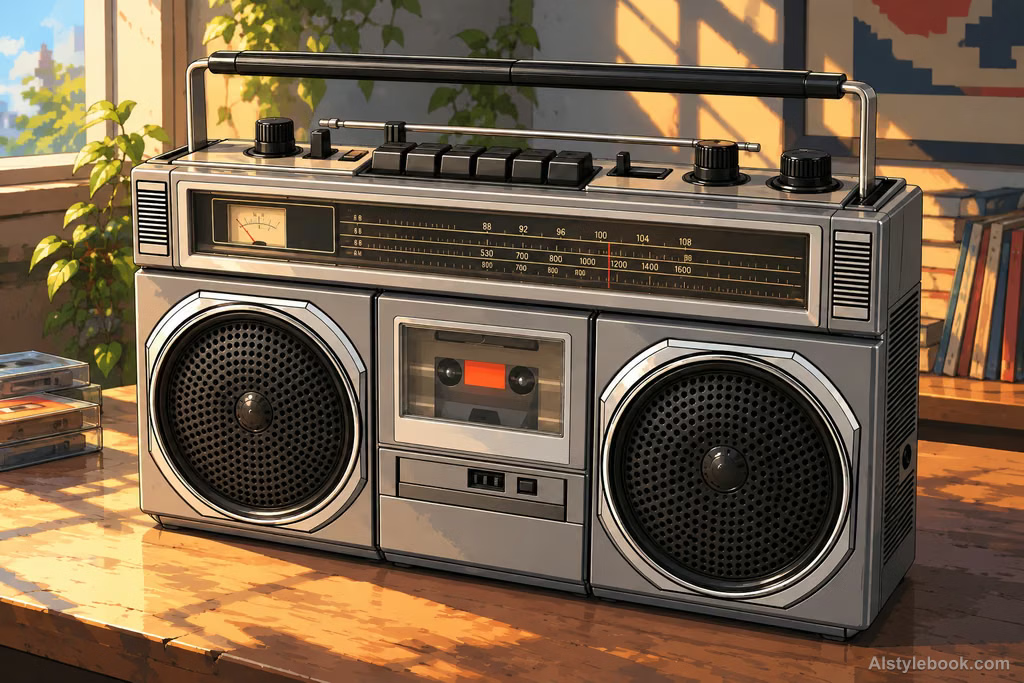
Flat color islands follow realistic forms while slightly wandering lines create a natural, realistic animated appearance.
The visual language
What is Rotoscoped Realism?
Realistic proportions and gestures become flat color islands fitted to the form, with slightly wandering outlines. Photographic observation coexists with visible drawing boundaries rather than a blurred painterly filter.
Rotoscoping redraws live-action reference through selected contours and color regions.
Accurate hand proportions beside simplified skin colors and slightly wandering fabric edges can combine observation with visible drawing.
How the style changes different subjects
- Portrait
- Near-natural proportions retain recognizable features while skin and clothing become painted color planes.
- Landscape
- Buildings, plants and lighting stay recognizable but become more consistently illustrated.
- Objects
- Structure remains intact while reflections and textures turn into strokes or color shapes.
- Subjects
- Choose portraits, streets, pets or well-defined still lifes when retaining the source subject's identity matters.
Background
Fleischer Studios documents Max Fleischer’s Rotoscope, which projected live-action frames for animators to use as drawing guides. Rotoscoping connected observed motion with drawing and later extended into digital effects.
Bring the style to your photos
Reusable style prompt for Rotoscoped Realism
Redraw the image as a refined hand-rotoscoped animation frame. Follow the actual proportions and defining contours, translating existing light and shadow into irregular but crisp islands of flat color. Give the outlines a subtle hand-drawn wavering and use only a few distinct shading levels inside. Retain natural volume and delicate expression through visible drawn shapes, restrained edge variation and carefully fitted color boundaries throughout.Use the same style prompt for portraits, landscapes and objects.
Create with this styleKeep exploring


