
Painting & Drawing
Soft Pastel
Style guide
Toothed paper supports velvety powder and layered color grains, with broken dragged edges and softly rubbed transitions creating a soft, full texture.
The visual language
What is Soft Pastel?
Powdered color catches in toothed paper, leaving broken dragged edges while rubbing softly joins neighboring tones. Alternating coverage and exposed ground create a velvety, substantial surface.
Pastel particles rest in the paper's texture, so blended areas can coexist with distinct strokes.
Soft cheek tones beside short hair marks can combine rounded volume with a powdery surface.
How the style changes different subjects
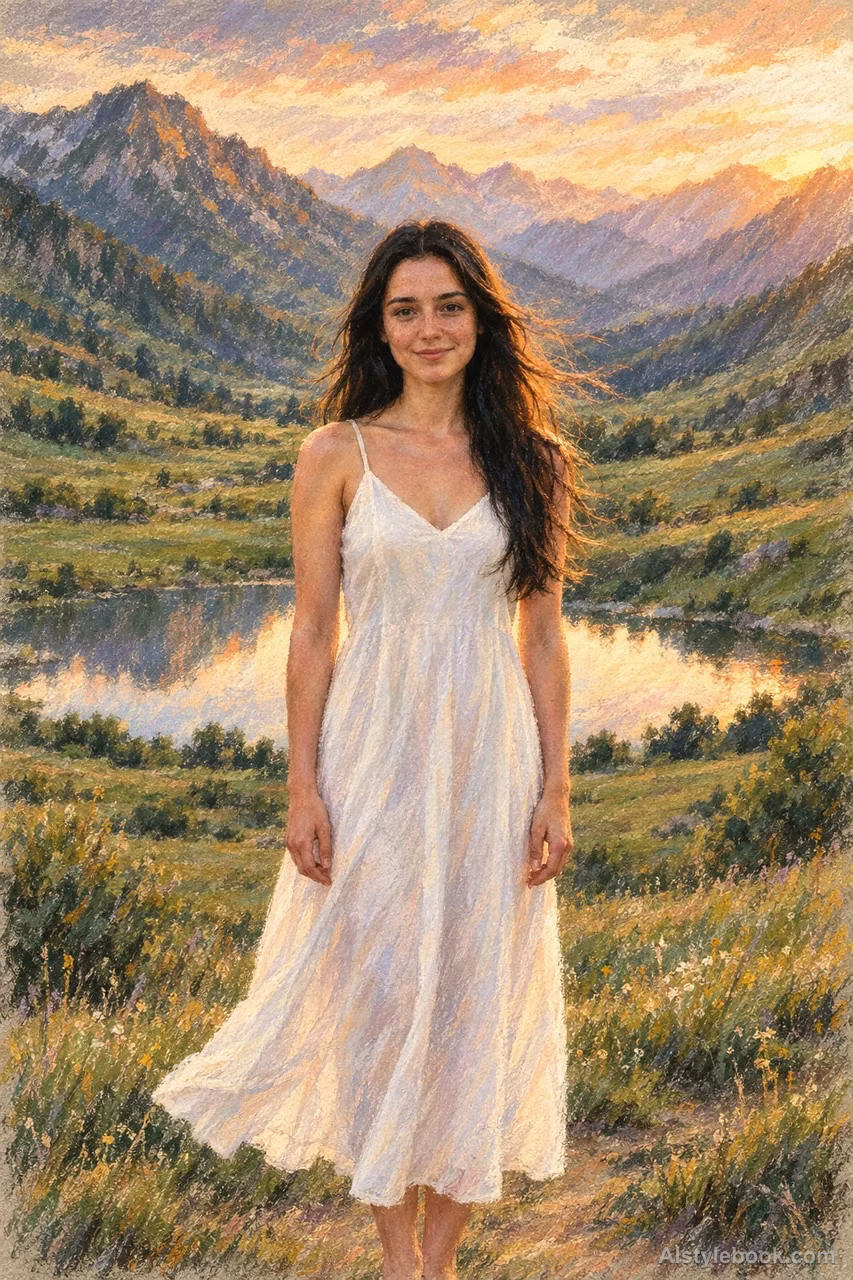
- Portrait
- Soft rubbing and layered color model skin and fabric, with broken edges adding warmth and tactility.
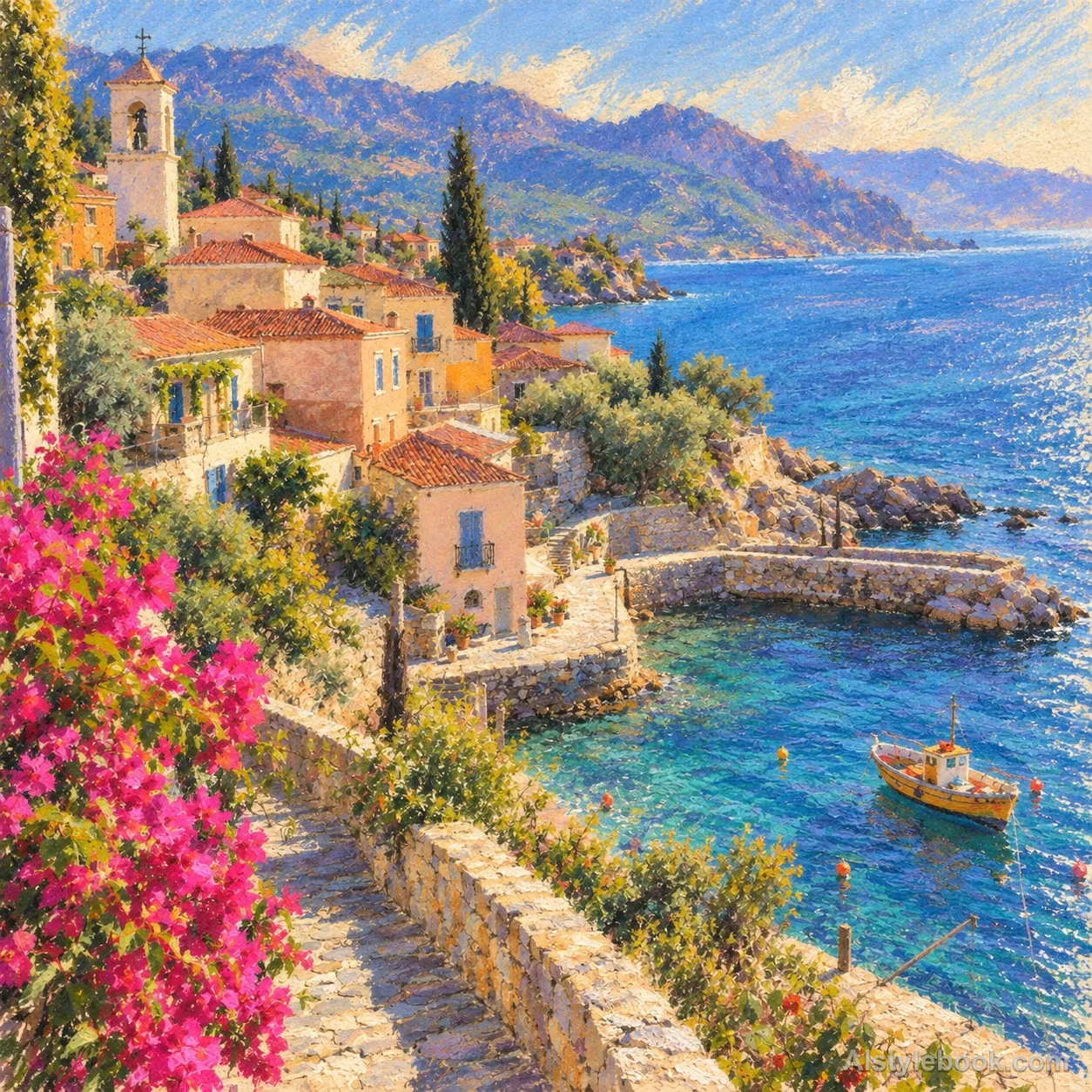
- Landscape
- Sky and mist merge into gentle color layers while trees and ground retain directional marks.
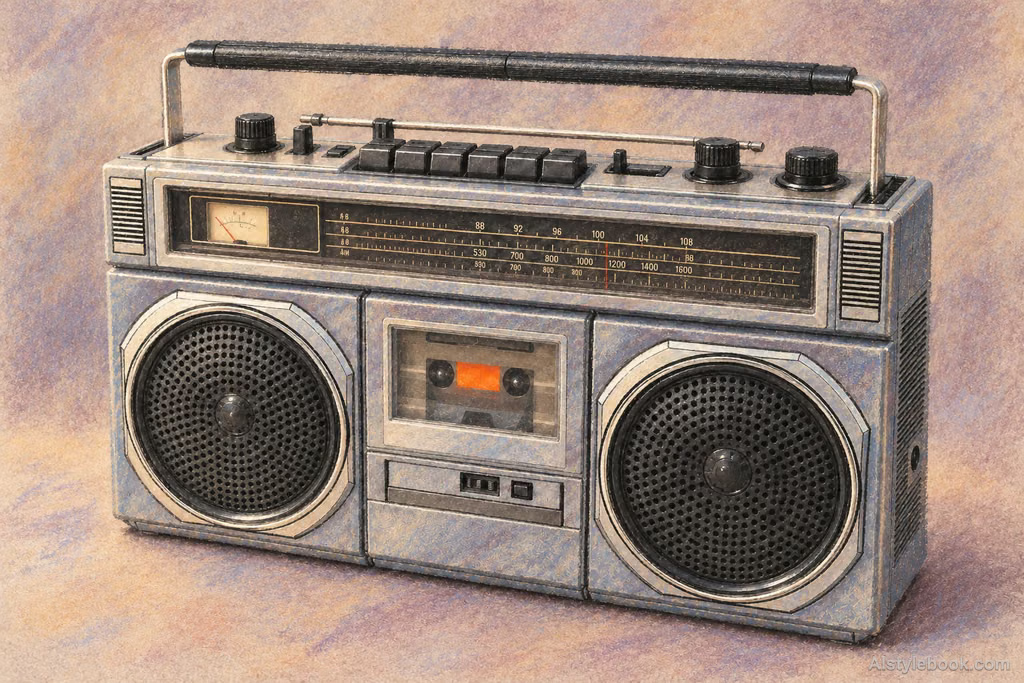
- Objects
- Soft color wraps surfaces; paper texture or waxy marks lend smooth objects a tactile finish.
- Subjects
- Choose softly lit portraits, flowers, fruit or evening landscapes with varied middle tones.
Eighteenth-century pastel portraits
Pastel portraiture became widely popular in eighteenth-century Europe. Rosalba Carriera’s 1720–21 visit stimulated Parisian interest, while specialist crayon makers helped broaden the medium’s use.
Bring the style to your photos
Reusable style prompt for Soft Pastel
Draw with dry soft pastel on toothy paper, building velvety powder and fine granules through layered color. Let dragged edges break naturally, with gentle rubbing in selected areas while preserving paper texture and clear structural turns. Keep highlights luminous, darks soft and dense, and color layers visibly varied by hand. Avoid oily wax-crayon lines, wet-paint bleeding, and uniform digital blur.Use the same style prompt for portraits, landscapes and objects.
Create with this styleKeep exploring


