
Photography & Film
Autochrome Screen Plate
Style guide
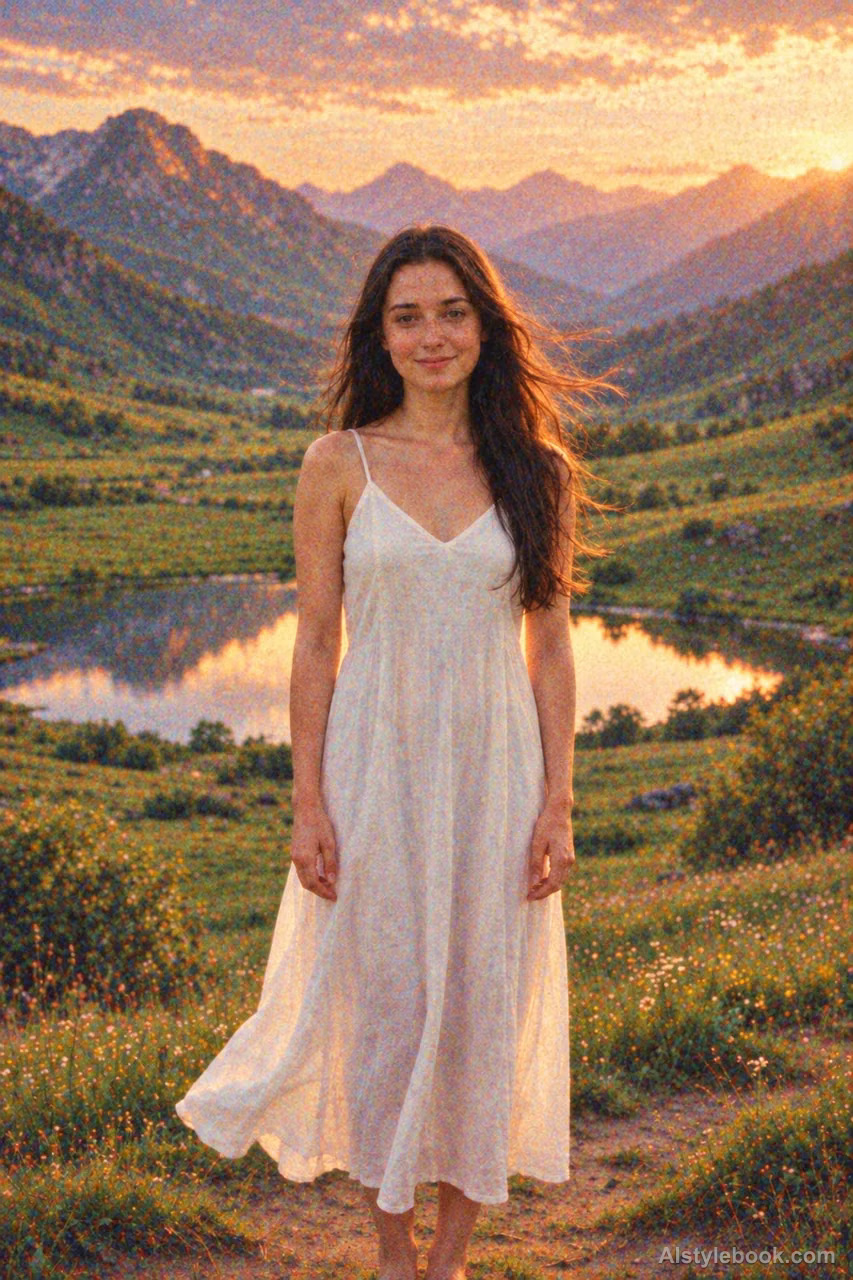
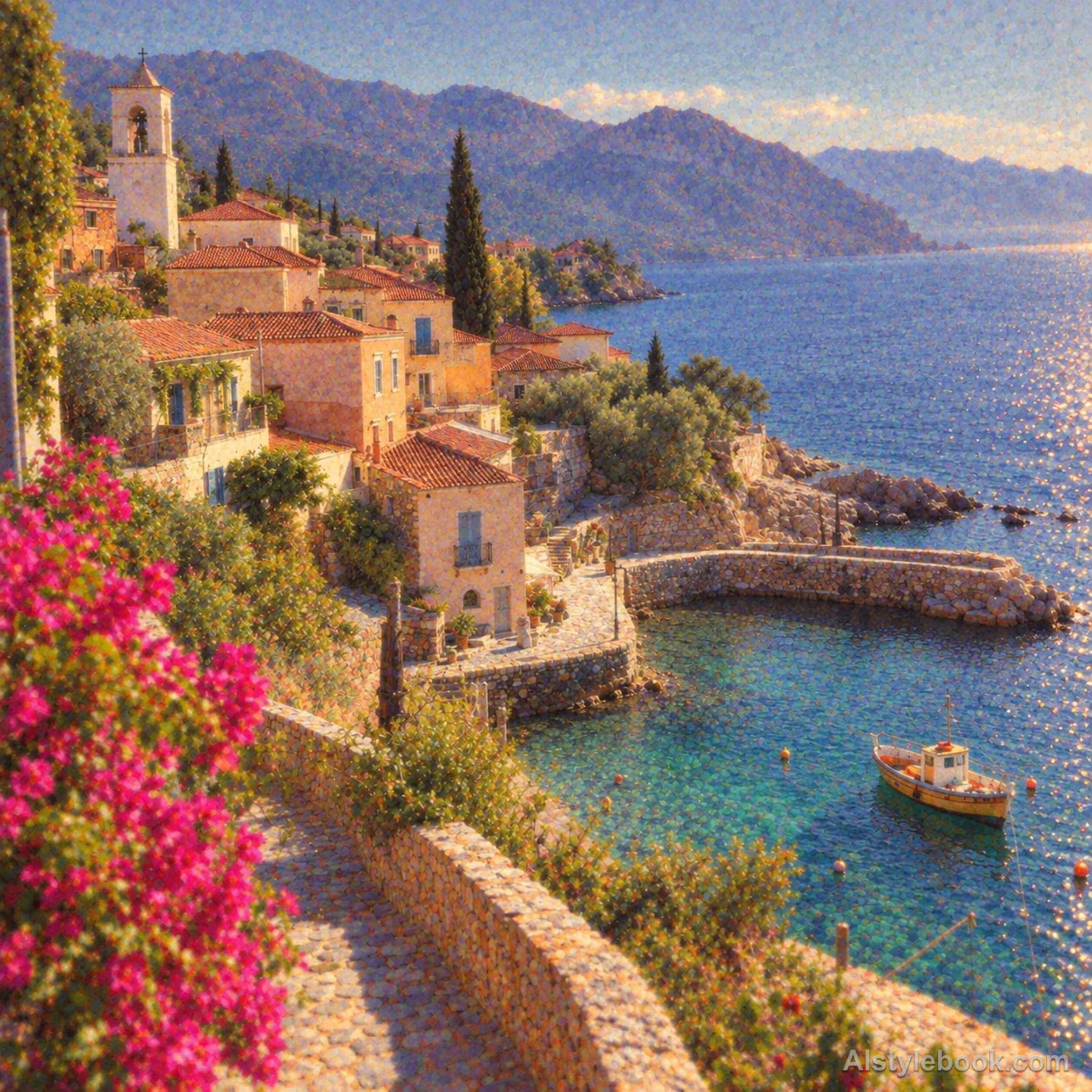
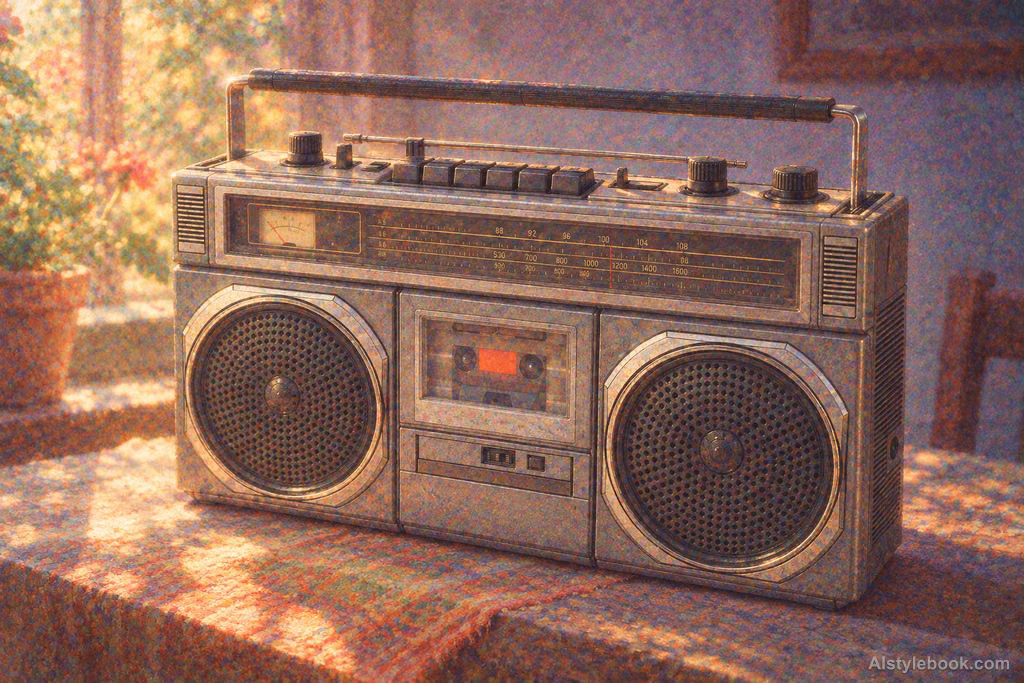
Fine red-orange, violet and green screen grains create soft pastels, transparent highlights and pale-violet shadows.
The visual language
What is Autochrome Screen Plate?
Fine red-orange, green and blue-violet screen grains combine to reconstruct color, with translucent highlights suggesting glass plates. Grain, pastel color and pale-violet shadows define the material more precisely than a uniform faded filter.
Autochrome's colored starch-grain screen makes its texture structurally different from generic film noise.
Fine colored grains within a softly rendered bouquet can retain the impression of a luminous glass transparency.
How the style changes different subjects
- Portrait
- Skin tones or grayscale transitions soften; grain and uneven tones reduce digital crispness while keeping expression central.
- Landscape
- Skies, haze and distance become gentler, with grain and tonal shifts suggesting the passage of time.
- Objects
- Grain breaks up fine surface detail and contrasts smooth highlights with the character of a photographic plate or print.
- Subjects
- Choose naturally lit portraits, gardens, older streets and simple still lifes with readable shadows and highlights.
Background
The Institut Lumière records Autochrome’s commercial introduction in 1907. Dyed potato-starch grains formed a three-color screen that filtered light, combining juxtaposed grains and glass transparency into its distinctive color-image character.
Artists & practitioners
Creators to know
Louis Lumière
The inventor of Autochrome, whose development and commercialization are documented by the Institut Lumière.
Bring the style to your photos
Reusable style prompt for Autochrome Screen Plate
Simulate the image as a luminous Autochrome screen plate. Fine irregular red-orange, violet and green dyed-starch grains combine into continuous color. Preserve original detail while giving edges gentle optical scattering, highlights a transmitted glow and shadows subdued purple tones. Favor soft pastel color and a consistent fine grain scale. Let selected passages show the colored micro-mosaic screen clearly, producing a softly radiant early-color image with tangible material layering.Use the same style prompt for portraits, landscapes and objects.
Create with this styleKeep exploring


