
Illustration & Design
Concept Map Art
Style guide
Nodes and trajectories connect a geometric framework with handwritten marks, creating a directional landscape of thought with generous open space.
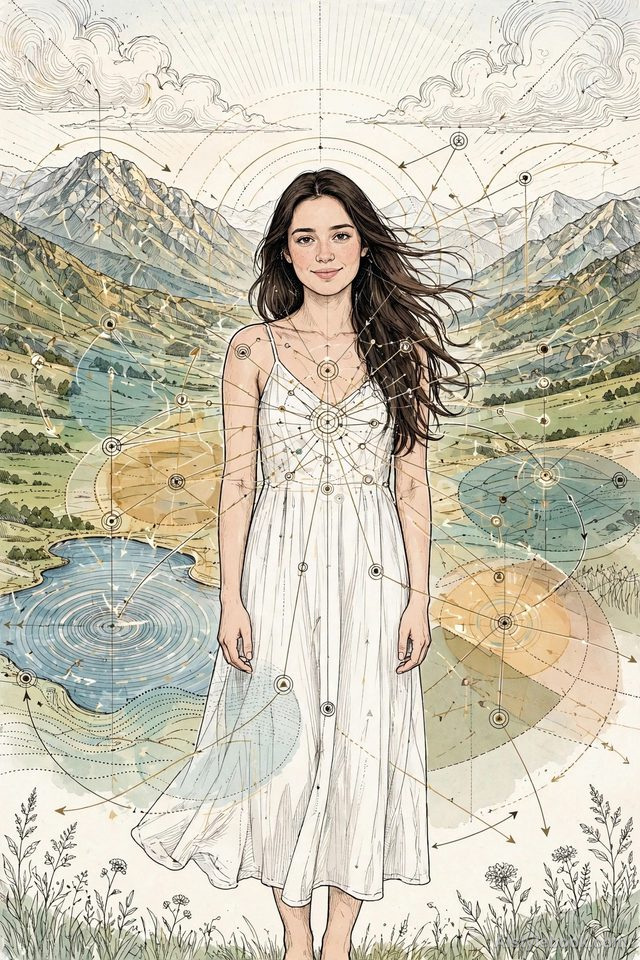
PortraitStyle effect
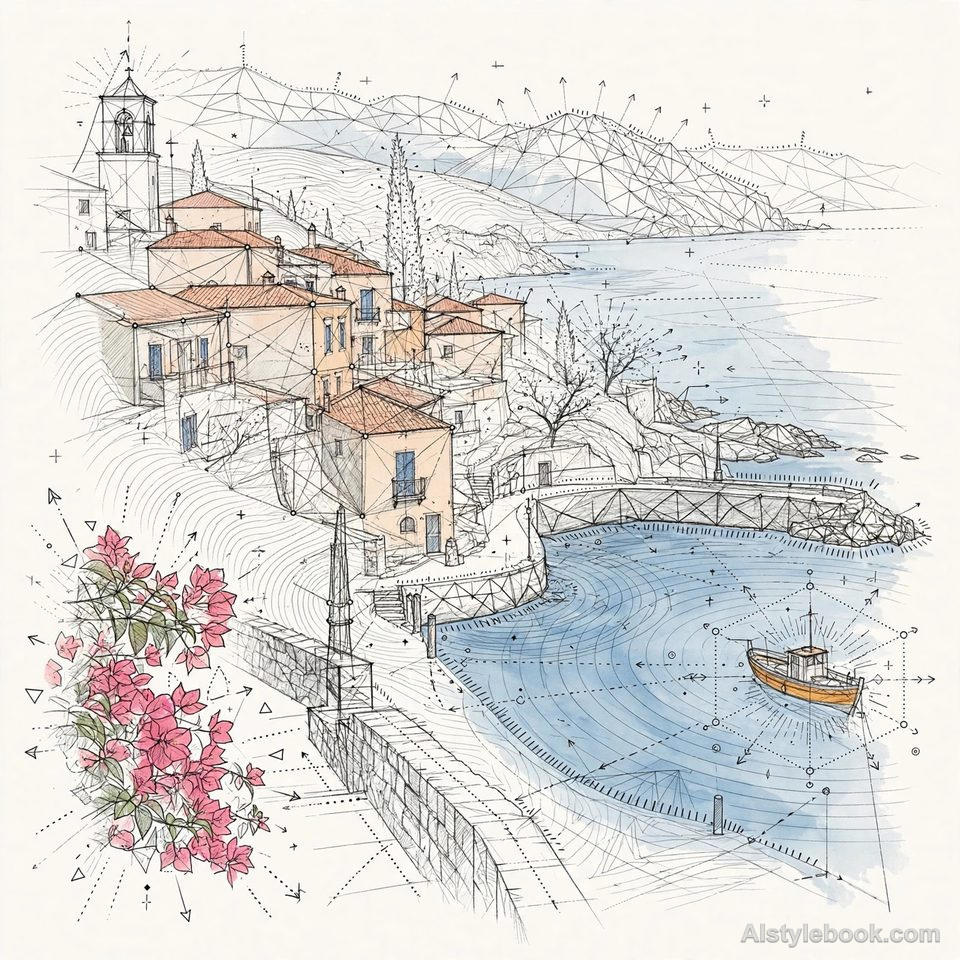
LandscapeStyle effect
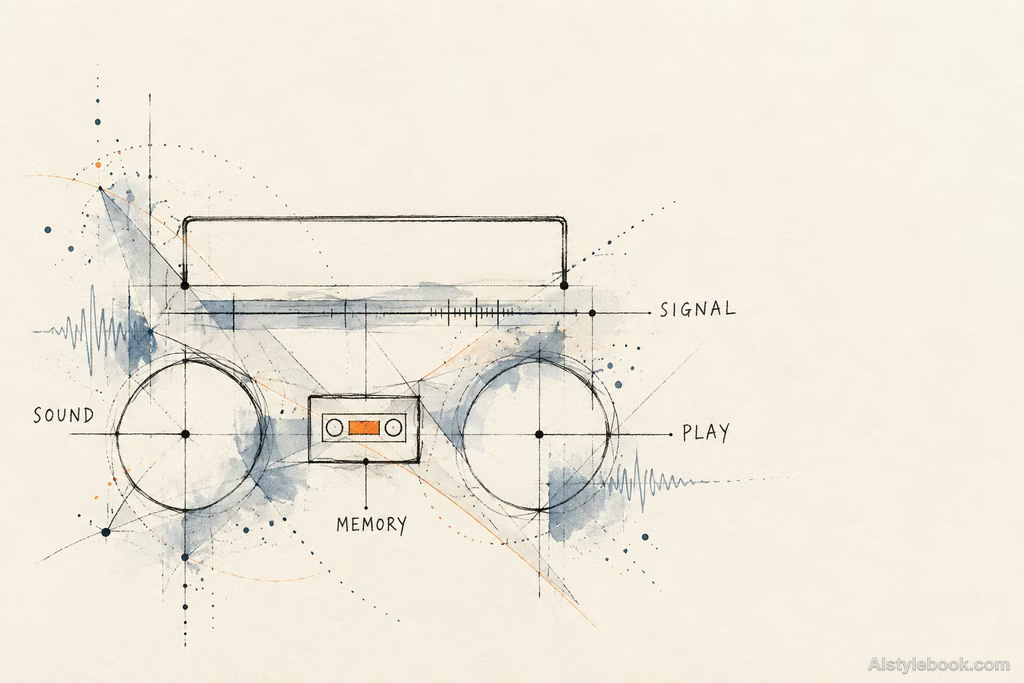
ObjectsStyle effect
The visual language
What is Concept Map Art?
Nodes, trajectories and crossing axes grow from the subject’s relationships, pairing precise geometry with handwritten marks. Open space gives the image the expandable quality of thinking in progress.
Concept maps give visible structure to relationships, so connections need a readable purpose.
Links between roots, water and leaves can turn a tree image into a coherent map of an idea.
How the style changes different subjects
- Portrait
- Pose, clothing and belongings become separate observations, giving the figure a visual-study quality.
- Landscape
- Routes, landmarks and regions become connected nodes rather than one continuous view.
- Objects
- Parts, structure and outlines gain separate emphasis, making the object feel like a subject of study.
- Subjects
- Choose constructed objects, route-based settings or figures with distinctive accessories and meaningful relationships between elements.
Bring the style to your photos
Reusable style prompt for Concept Map Art
Translate the subject's contours, direction, and spatial relationships into a conceptual diagram. Build a semantic framework from nodes, trajectories, crossing axes, angular networks, and a few keywords. Precise geometric lines should coexist with broken hand-drawn strokes, dots, and rhythmic marks whose density follows the existing movement. Leave abundant negative space so relationships can extend clearly. Keep the result between painting and thinking notes rather than a mechanically arranged standard flowchart. Use only user-supplied wording for any written labels.Use the same style prompt for portraits, landscapes and objects.
Create with this styleKeep exploring


