
Light & Image Effects
CRT Phosphor Screen
Style guide
Fine RGB phosphor structure, horizontal scanlines and gentle screen curvature evoke a vintage CRT display.

PortraitStyle effect

LandscapeStyle effect
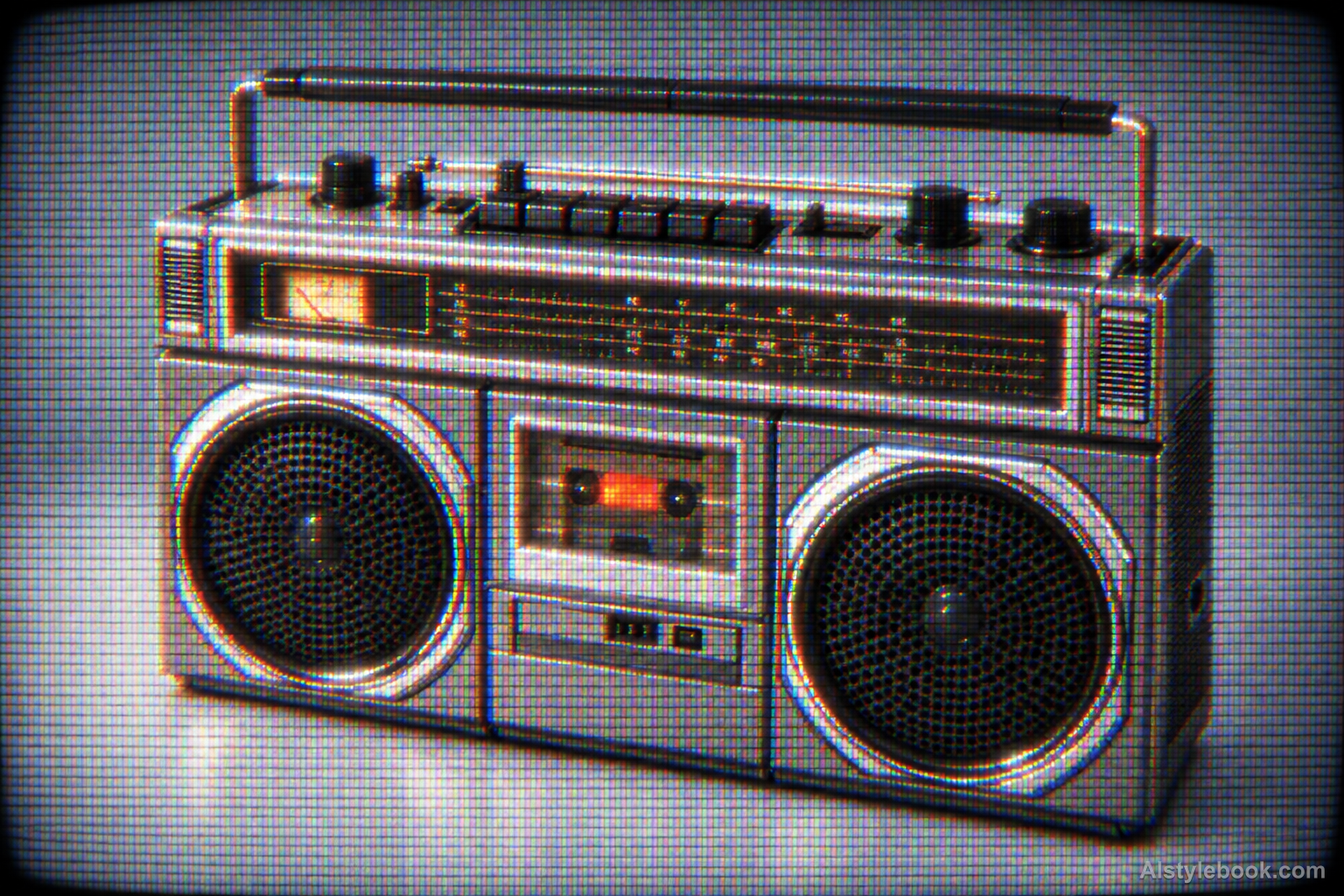
ObjectsStyle effect
The visual language
What is CRT Phosphor Screen?
CRT phosphor screen places the picture within the fine emissive structure of a cathode-ray display. RGB phosphor elements, horizontal scanning gaps and gentle curvature work together, with restrained persistence around bright details.
CRT imagery combines phosphor structure, scan spacing and restrained persistence rather than horizontal lines alone.
Slightly glowing bright edges beside visible RGB units in darker areas can suggest a physical display.
How the style changes different subjects
- Portrait
- Luminous units divide face and clothing, emphasizing highlights against the screen's dark ground.
- Landscape
- City lights and night scenes form clear luminous layers while tiny details simplify.
- Objects
- Bright points or stripes replace highlights, making objects feel viewed through a display.
- Subjects
- Choose night views, neon, close portraits or strongly lit objects with dark gaps between luminous units.
Bring the style to your photos
Reusable style prompt for CRT Phosphor Screen
Render the image as a close view of an operating CRT phosphor display. Build the picture from fine repeating RGB phosphor triads, subtle dark horizontal scanline gaps, gentle barrel curvature and a mild edge falloff. Bright details show controlled phosphor bloom and a faint persistence halo while the overall picture remains readable. Keep a single full-frame image without a television cabinet. Avoid tape damage, large compression blocks, heavy channel tearing or unrelated interface text.Use the same style prompt for portraits, landscapes and objects.
Create with this styleKeep exploring


