
Painting & Drawing
Egg Tempera
Style guide
Bright thin layers and extremely fine short parallel strokes build precise gradients, with delicate contours and a smooth matte surface carrying a slight luminosity.
The visual language
What is Egg Tempera?
Thin luminous paint accumulates through very short fine hatching, with the smooth ground keeping each mark distinct. Small differences between layers create quiet, precise tonal transitions.
Tempera can build form through fine, thin applications rather than thick paint ridges.
Small pale strokes across a cheek may remain visible close up while merging into a clear, quiet plane.
How the style changes different subjects
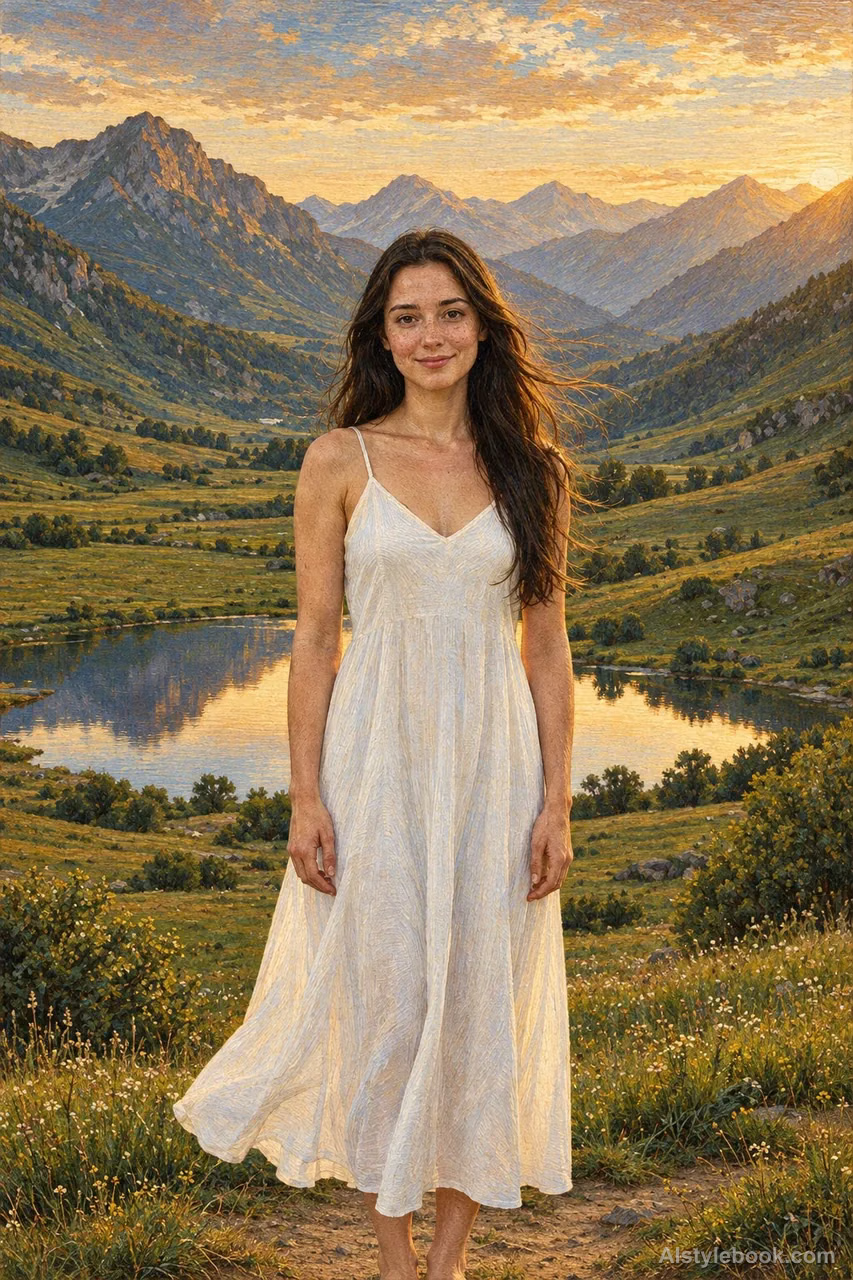
- Portrait
- Fine accumulated strokes model features with restrained contours and a quiet, precise surface.
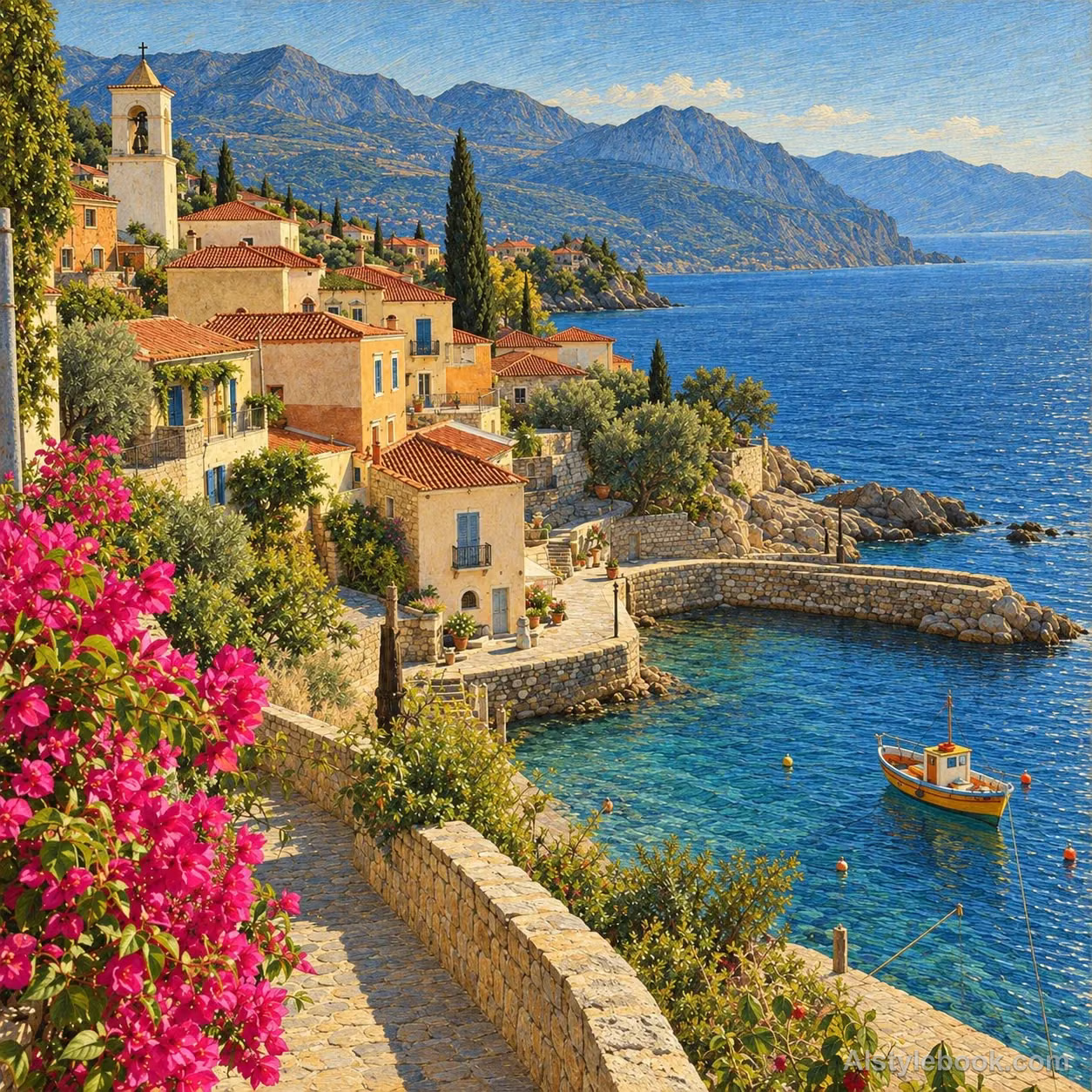
- Landscape
- Branches, buildings and terrain become delicate linear layers with controlled atmosphere.
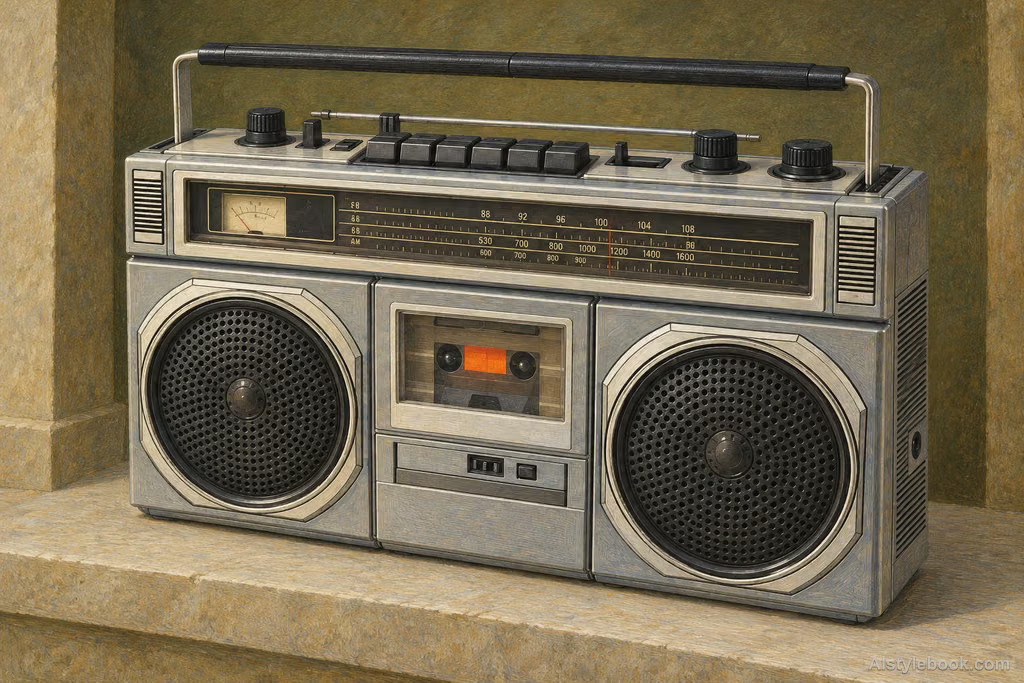
- Objects
- Fine marks organize edges and texture, restraining reflections and emphasizing construction.
- Subjects
- Choose still portraits, plants, shells or intricate objects with clear shapes and steady lighting.
The egg-tempera medium
Egg tempera uses an egg-yolk or whole-egg binder; this interpretation emphasizes the appearance of gradually accumulated thin layers and fine strokes.
Bring the style to your photos
Reusable style prompt for Egg Tempera
Use the luminous thin layers of egg-tempera painting, gradually building thin opaque pigment on a smooth matte surface. Model transitions patiently with extremely fine, short parallel strokes and articulate contour turns precisely. Keep color clean and understated, with highlights seeming to glow gently from within the paint layers. Let meticulous strokes remain visible. Avoid oil-like blending, thick pigment buildup, and digitally smooth airbrushing.Use the same style prompt for portraits, landscapes and objects.
Create with this styleKeep exploring


