
Painting & Drawing
Silverpoint
Style guide
Pale metallic-gray fine lines form grouped hatching on warm prepared paper, with visible ground and a slight metallic gleam creating quiet refinement.
The visual language
What is Silverpoint?
Silverpoint leaves pale metallic-gray lines, with short hatching grouped in layers rather than filling the paper. Warm ground shows between marks, and a faint glimmer gives the volume quiet delicacy.
Metalpoint makes restrained fine marks on a prepared surface, favoring carefully accumulated lines.
Small tonal differences between a lightly hatched nose and untouched ground can establish delicate volume.
How the style changes different subjects
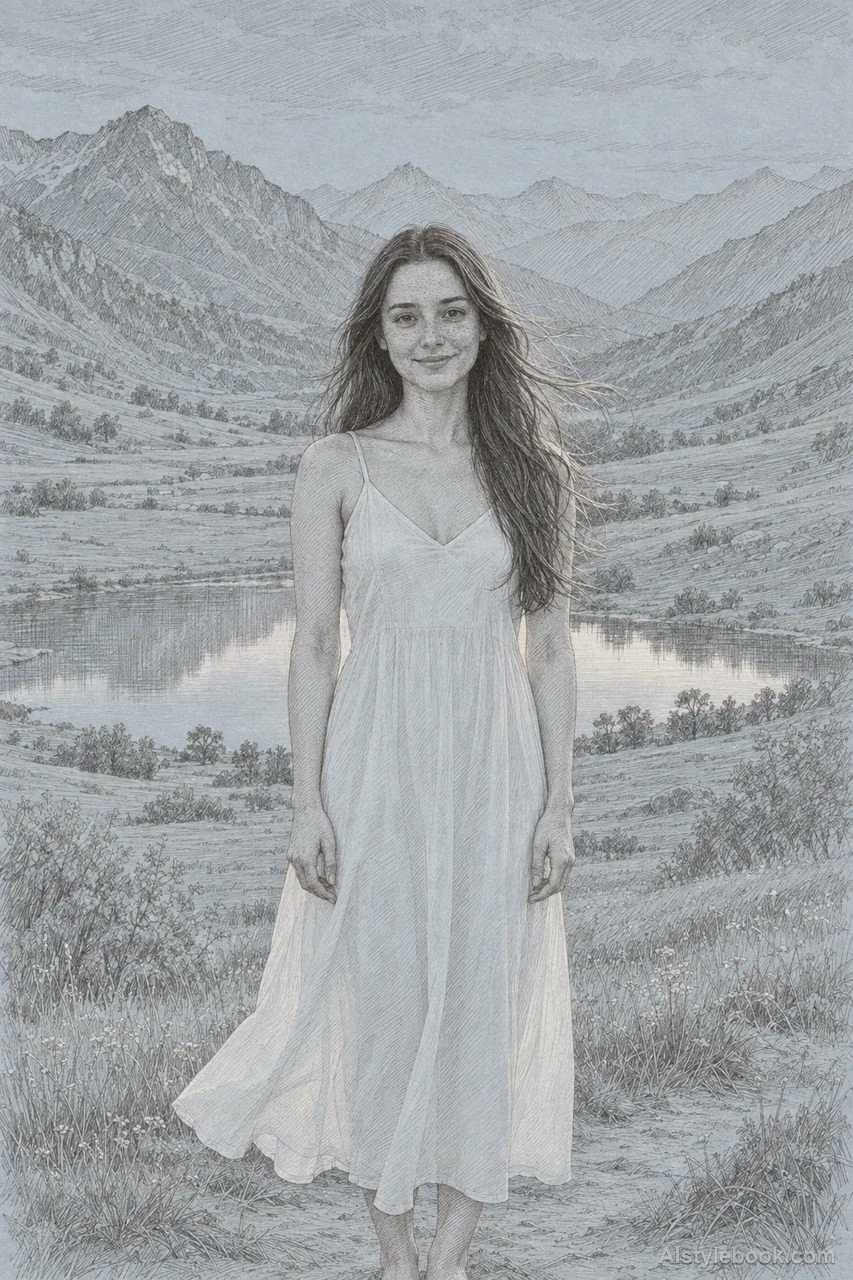
- Portrait
- Fine accumulated strokes model features with restrained contours and a quiet, precise surface.
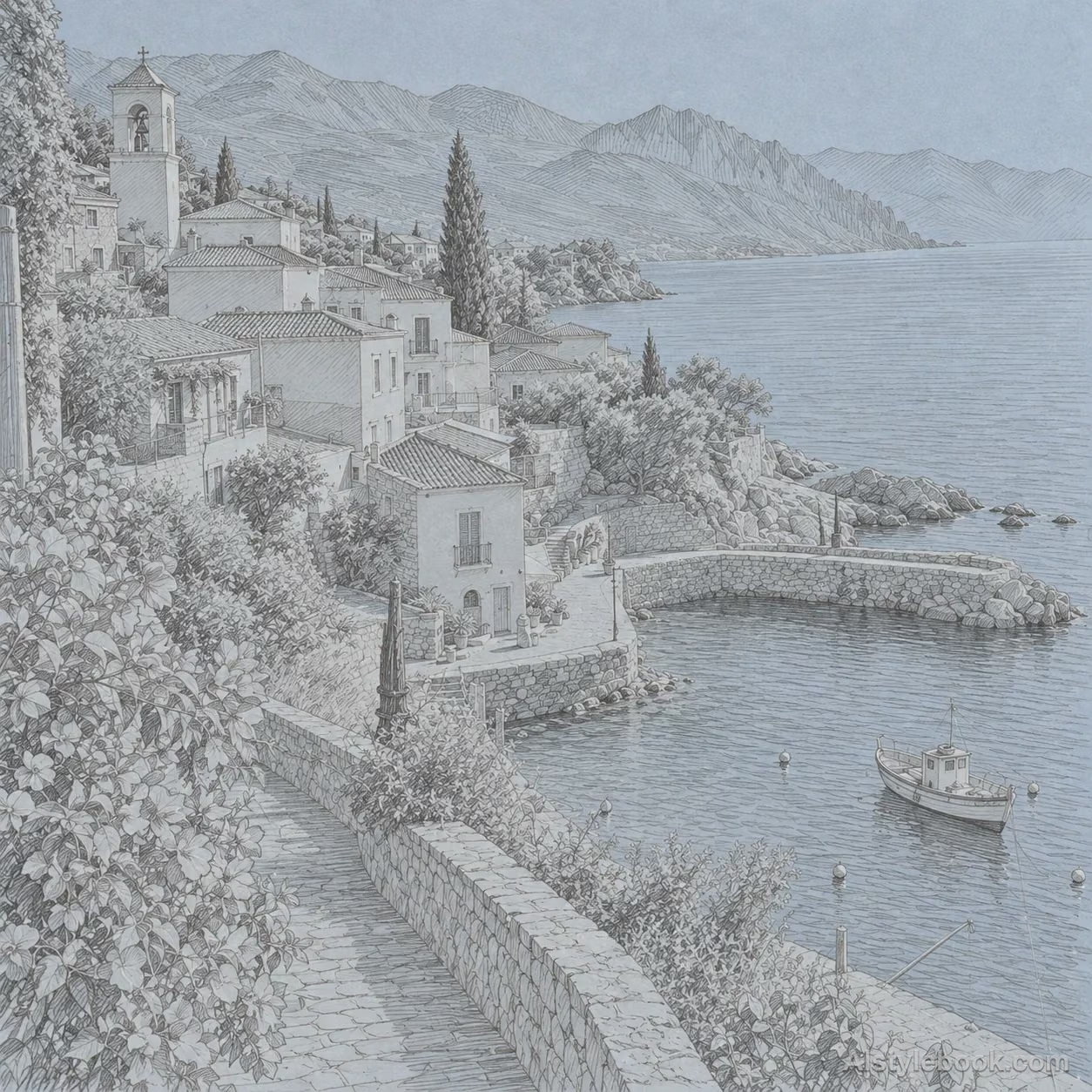
- Landscape
- Branches, buildings and terrain become delicate linear layers with controlled atmosphere.
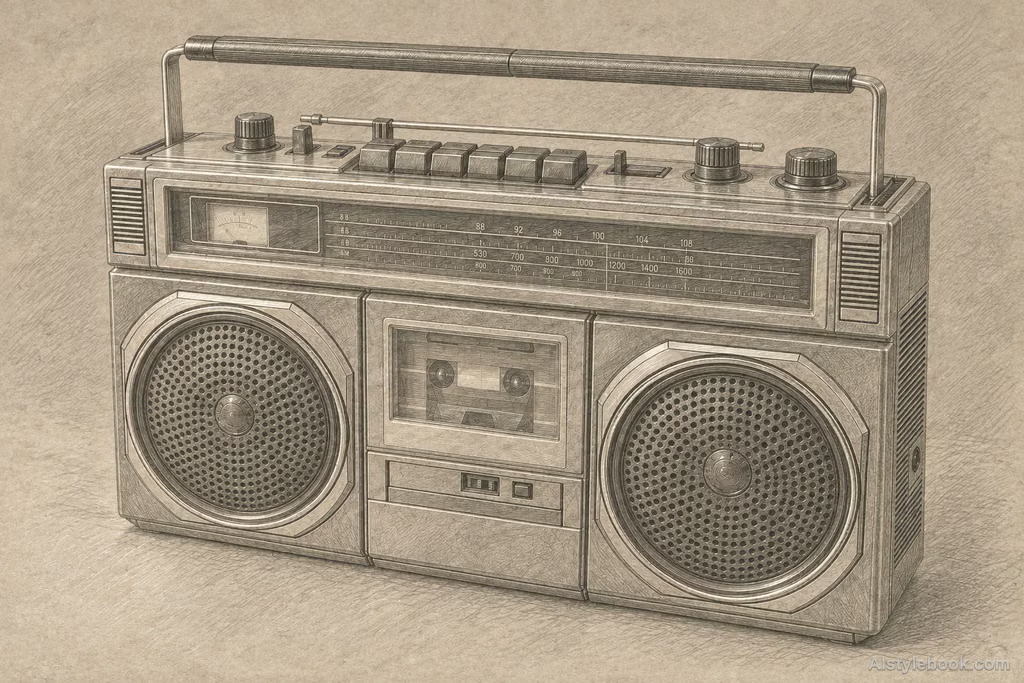
- Objects
- Fine marks organize edges and texture, restraining reflections and emphasizing construction.
- Subjects
- Choose still portraits, plants, shells or intricate objects with clear shapes and steady lighting.
Renaissance use and later revival
Metalpoint was widely used during the European Renaissance, later declined and revived in the nineteenth century. Silverpoint is one form of the medium; not every metalpoint drawing uses silver.
Bring the style to your photos
Reusable style prompt for Silverpoint
Draw the image as a silverpoint study on lightly tinted prepared paper. Delicate, steady pale metal-gray lines describe existing contours. Layer localized groups of short parallel hatching, adjusting spacing and direction to volume while leaving ground visible even in darker passages. Let broad warm-gray or soft-pink paper areas participate in values. Fine metallic lines glimmer gently in the light, creating spare, precise and quietly nuanced drawing.Use the same style prompt for portraits, landscapes and objects.
Create with this styleKeep exploring


