
Painting & Drawing
Expressionism
Style guide
Diagonal space and sharp color planes compress volume, with matte brushwork and intense warm-cool colors creating emotional tension.
The visual language
What is Expressionism?
Sharp planes and tilted space press the forms together, leaving strokes exposed on the surface. Strong warm-cool color serves psychological pressure and emotion rather than observed light.
Expressionism can alter proportion, color and space to intensify feeling.
Leaning walls and compressed windows can make a quiet street feel oppressive without introducing any dramatic action.
How the style changes different subjects
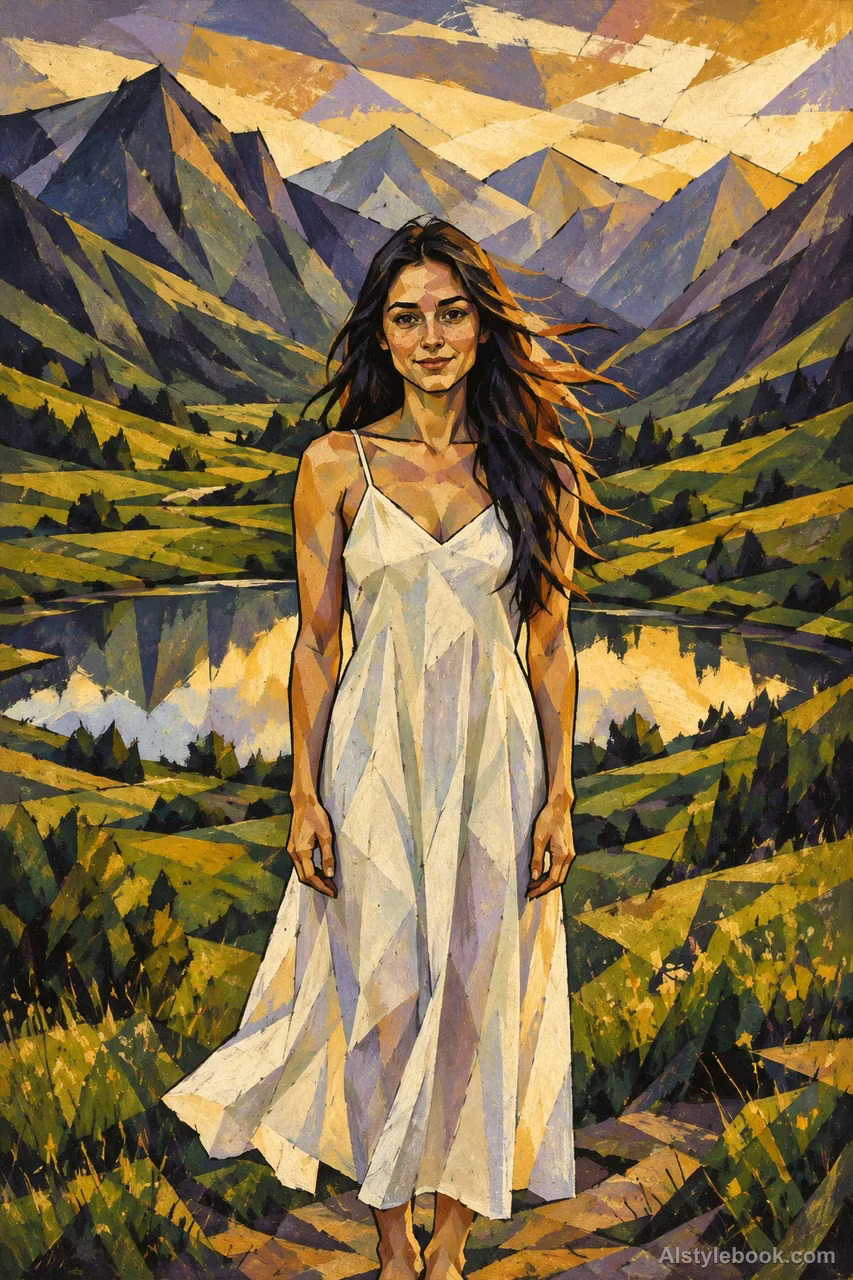
- Portrait
- Unnatural color, warm-cool contrasts and emphatic strokes intensify expression and bodily gesture.
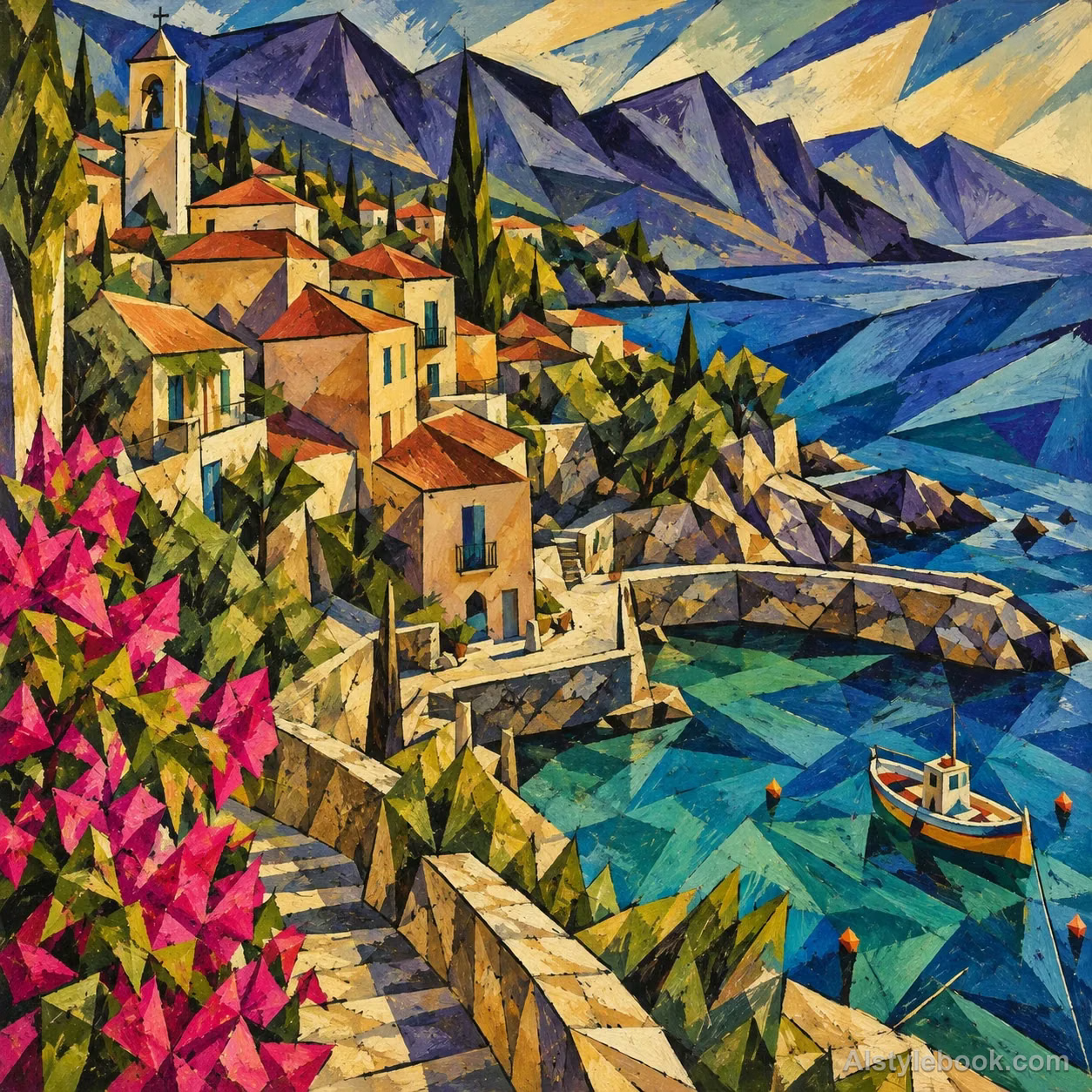
- Landscape
- Terrain and plants become clashing color planes, with spatial depth subordinated to color tension.
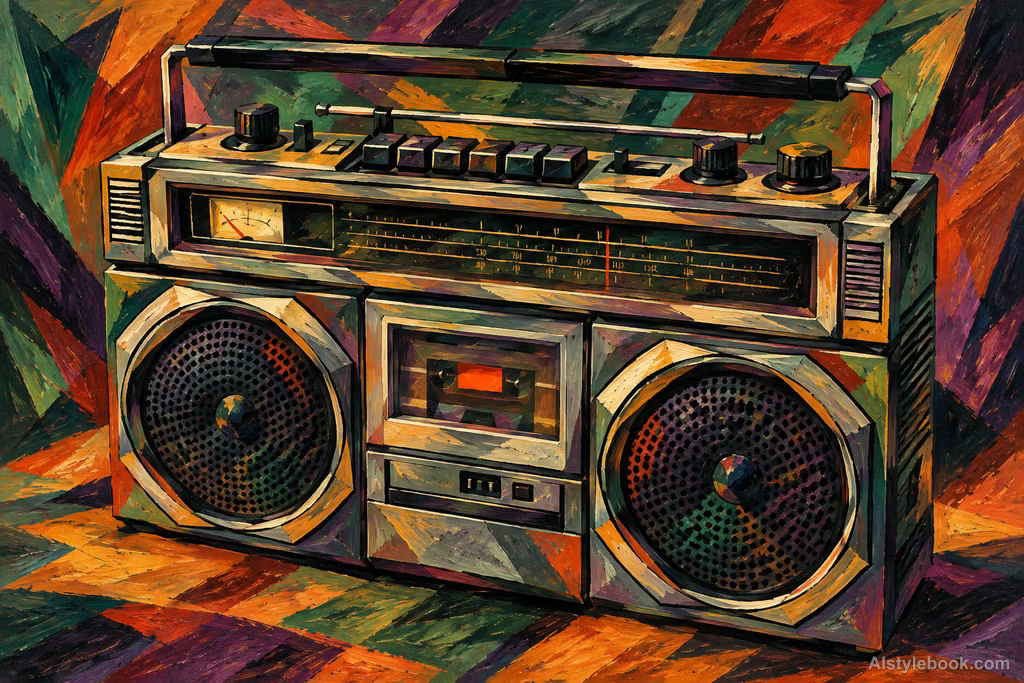
- Objects
- Literal color and material accuracy recede as contours and shadows become expressive masses.
- Subjects
- Choose expressive figures, bold landscapes, flowers or still-life groups where altered color and proportion can carry emotion.
Many paths of expression
Expressionism encompasses different individual and collective practices, linked by intense personal expression rather than one fixed technique.
Bring the style to your photos
Reusable style prompt for Expressionism
Paint the image with emotionally charged expressionist structure. Reorganize existing forms through compressed oblique depth, sharp turns and rhythmically distorted proportions. Dense matte brushwork follows the principal forces, with earth red, emerald and deep violet in strong warm-cool relationships. Reduce values to incisive angular painted planes, slightly redirecting selected contours while preserving distinctive features and intensifying the internal tension of each form.Use the same style prompt for portraits, landscapes and objects.
Create with this styleKeep exploring


