
3D & Miniatures
Glass 3D
Style guide
Frosted translucent surfaces meet luminous edges, with soft refraction creating clean, restrained glass volume.
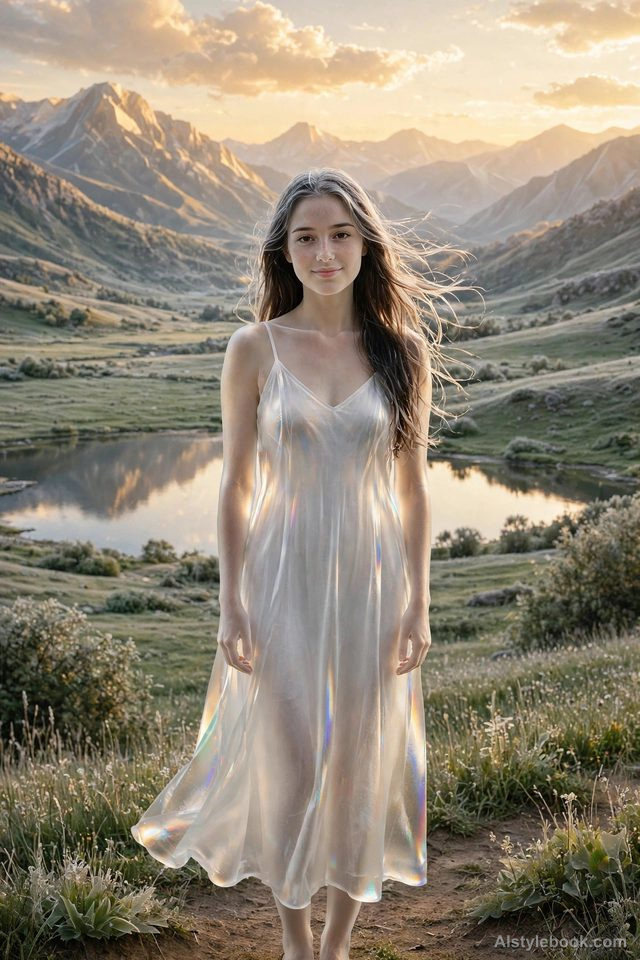
PortraitStyle effect

LandscapeStyle effect
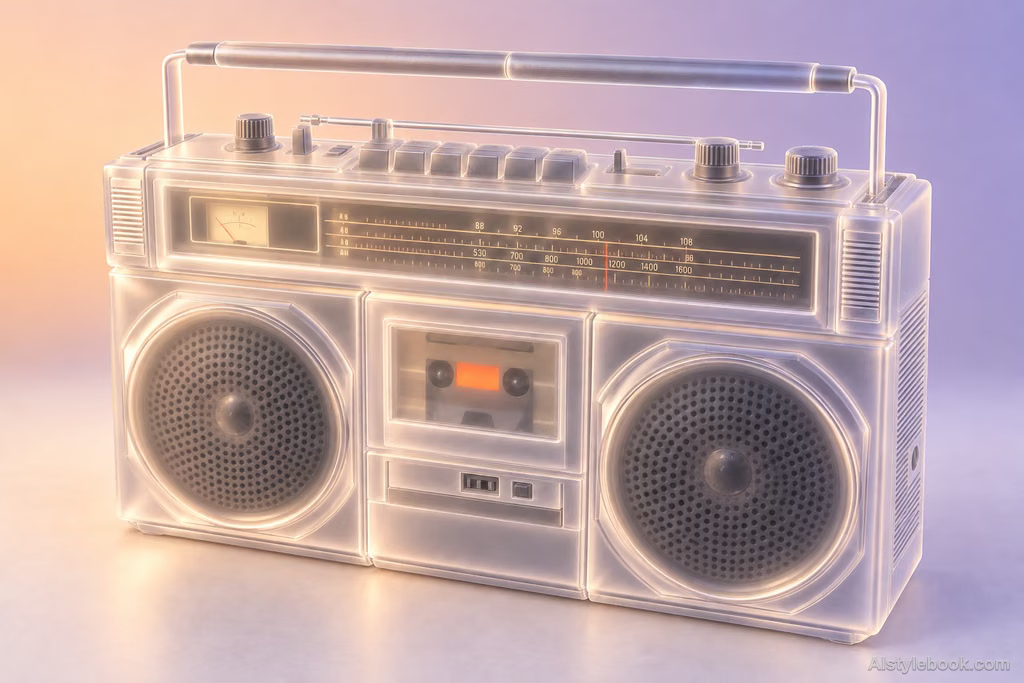
ObjectsStyle effect
The visual language
What is Glass 3D?
A frosted surface softens transmitted colors and contours while thin edges stay brighter. Readable thickness and restrained reflections make the glass volume feel clean and stable.
Frosted glass softens transmitted detail while retaining reflection and thickness cues.
Red paper behind a jug can become a diffuse patch, contrasted with a crisp luminous rim.
How the style changes different subjects
- Portrait
- Translucent material replaces skin and clothing, with brighter thin edges and denser thick areas.
- Landscape
- Translucent masses change scenic depth through transmitted light and occlusion.
- Objects
- Thickness controls color and brightness as internal scattering softens reflections.
- Subjects
- Choose flowers, rounded animals, sculptures or simple vessels with clear thin edges, thick centers and backgrounds.
Bring the style to your photos
Reusable style prompt for Glass 3D
Reshape the subject in frosted glass with realistic thickness, contrasting a finely matte surface with luminous translucent edges. Let softened colors and contours remain visible through the material. Use gentle lighting for believable refraction, internal scattering, light transmission between layers, and small reflective highlights. Keep the structure clearly readable and the overall effect clean, translucent, and restrained. Avoid dazzling crystal brilliance or uniformly transparent plastic.Use the same style prompt for portraits, landscapes and objects.
Create with this styleKeep exploring


