
Photography & Film
God Rays
Style guide
Particle scattering forms soft beams with clear occlusion and atmospheric depth for a quiet, airy image.
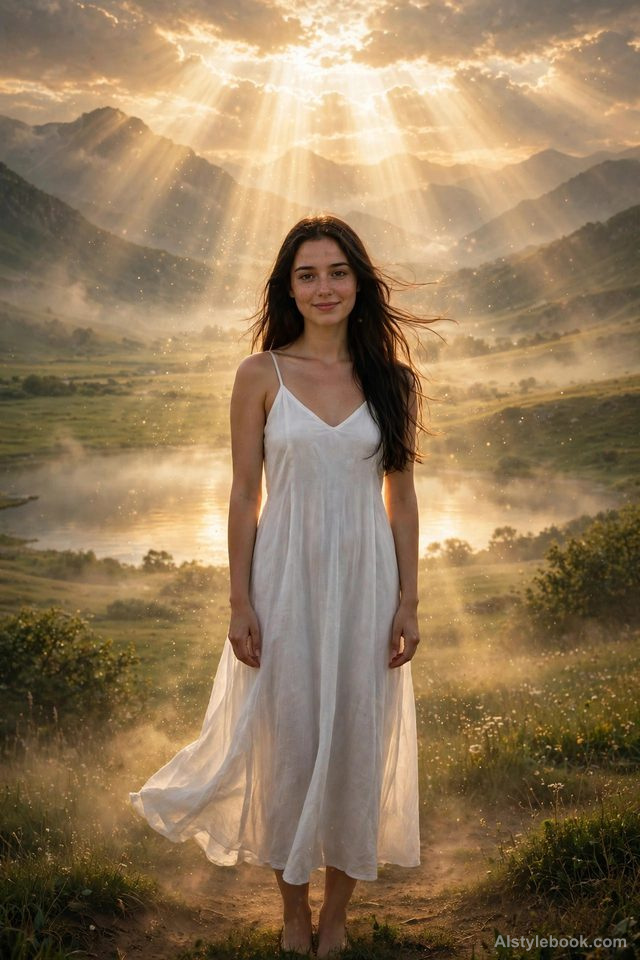
PortraitStyle effect

LandscapeStyle effect
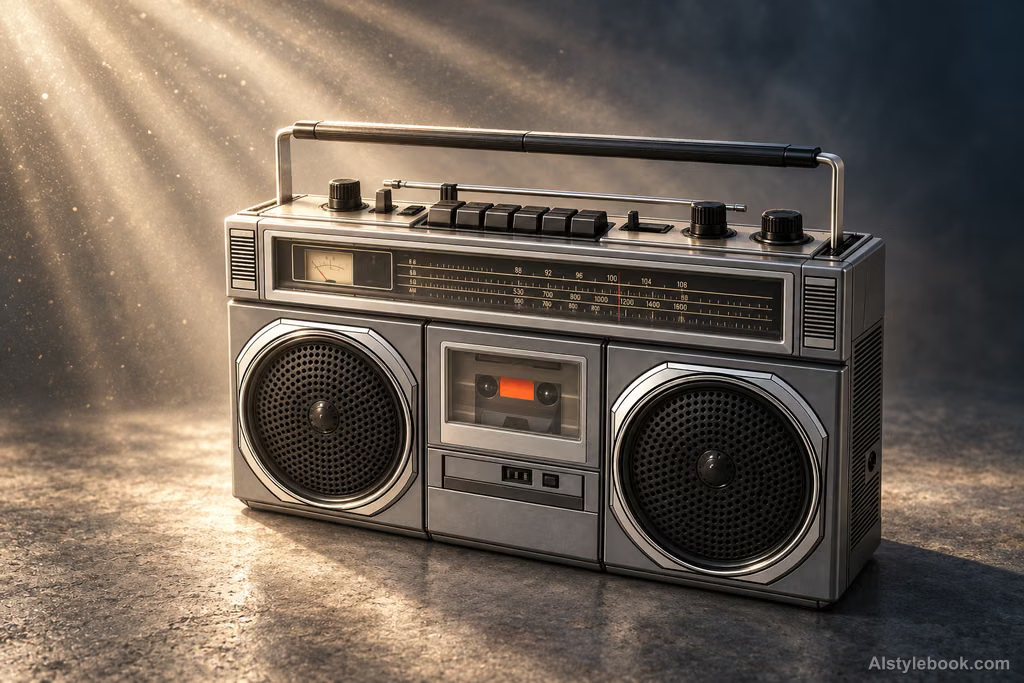
ObjectsStyle effect
The visual language
What is God Rays?
Particle-scattered beams enter through gaps between occluders, making the layers of light visible. Distant contrast gradually fades, and soft beam edges remain integrated with the scene.
Visible light shafts depend on scattering and a coherent source-and-occlusion relationship.
Window light softening through haze can show how illumination travels through a room.
How the style changes different subjects
- Portrait
- Beams guide attention to the face or body edge, giving the figure a spotlighted presence.
- Landscape
- Light paths through trees, windows or valleys make atmosphere and haze feel like spatial layers.
- Objects
- Bright points near the silhouette extend into directional rays, increasing separation from the background.
- Subjects
- Choose woods, windows, figures in haze or selectively reflective objects. Occlusion and darker areas help reveal the beam direction.
Bring the style to your photos
Reusable style prompt for God Rays
Let light pass through a space containing fine suspended particles, producing soft beams with a consistent direction that transition from defined to diffuse. Existing forms should naturally occlude and divide the light. Keep bright areas transparent and shadows deep, with scattering, faint halos, and atmospheric perspective unfolding in layers. Retain realistic structure and materials, connecting beams logically to illuminated surfaces. Aim for a serene, ethereal effect rather than solid bands of light.Use the same style prompt for portraits, landscapes and objects.
Create with this styleKeep exploring


