
Photography & Film
Silhouette
Style guide
Dark silhouettes contrast with narrow soft light edges, simplifying interiors while preserving clear outlines and negative space.
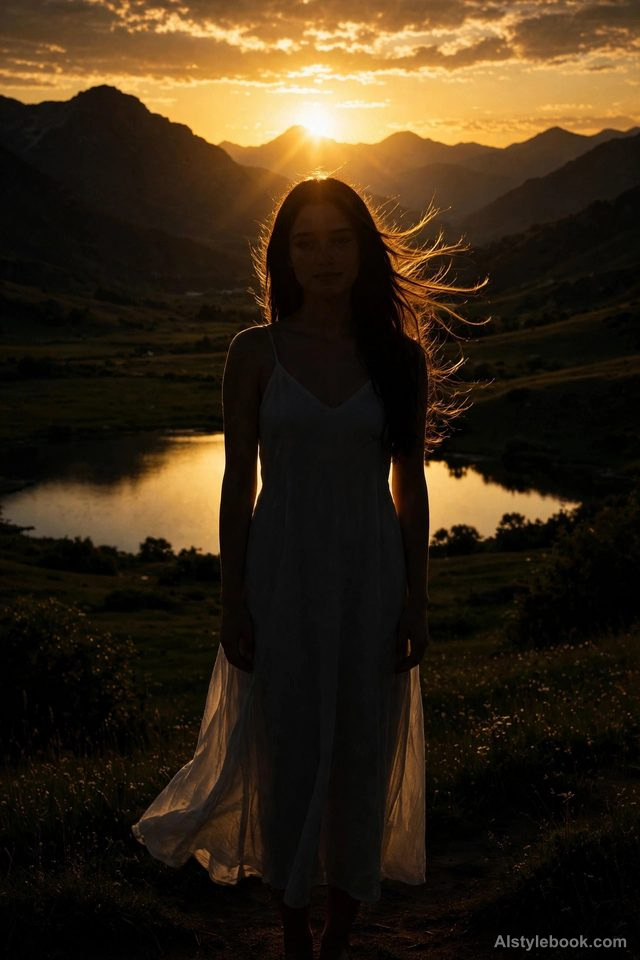
PortraitStyle effect
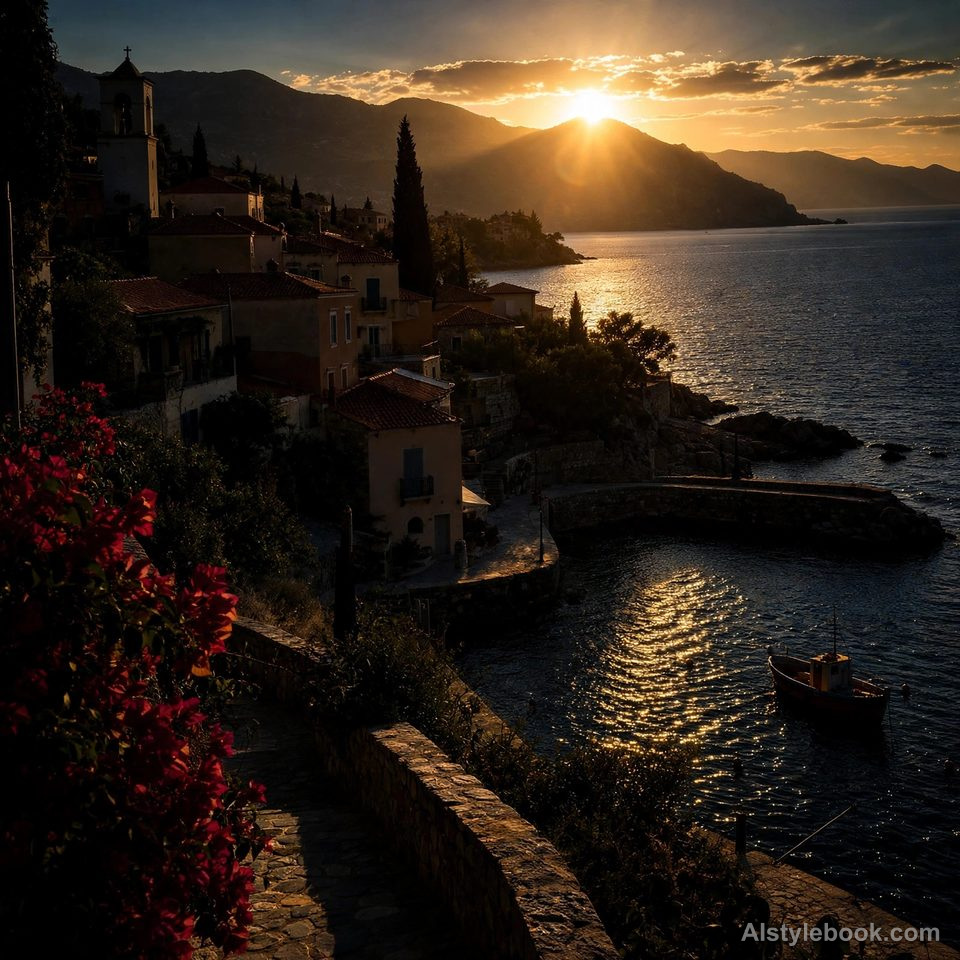
LandscapeStyle effect
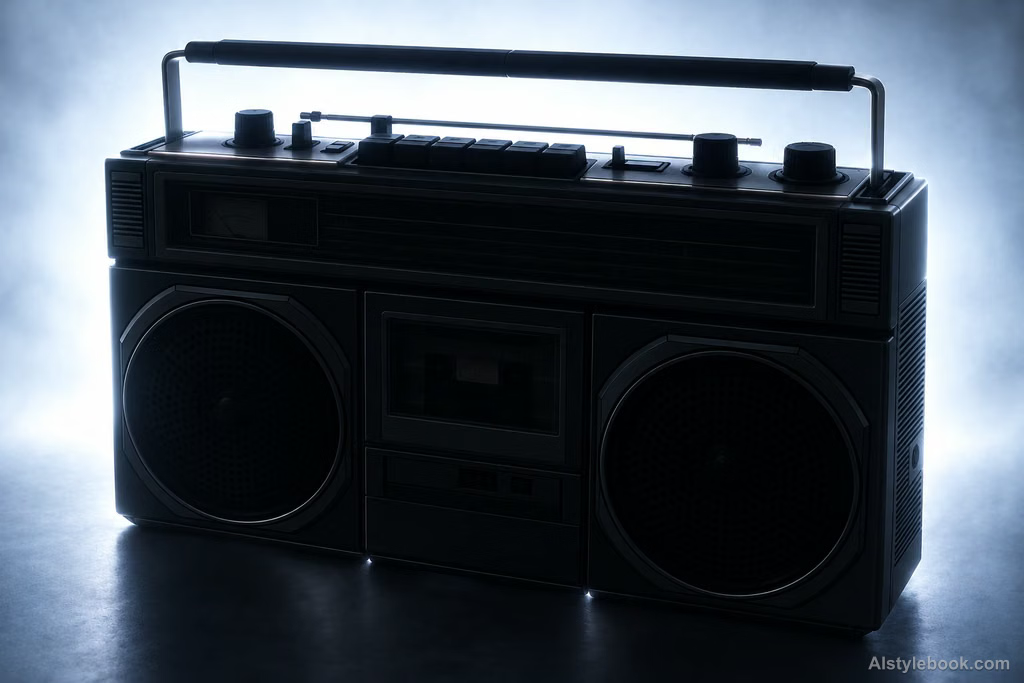
ObjectsStyle effect
The visual language
What is Silhouette?
Interior detail compresses into dark masses, leaving outer contours and negative spaces to carry recognition. A narrow soft rim keeps the direction of backlight readable.
Silhouette imagery relies on a brighter background and readable gaps within the outer shape.
A sliver of light between two figures' shoulders can preserve their separate gestures despite dark interiors.
How the style changes different subjects
- Portrait
- Facial and clothing detail largely disappears; hairstyle, pose and the outer contour carry recognition.
- Landscape
- Trees, ridges and buildings become clear silhouettes, with overlap and background brightness separating distance.
- Objects
- Material reflections recede, leaving distinctive handles, necks or profiles to identify the object.
- Subjects
- Choose profiles, open gestures, lone trees or distinctive objects. Gaps between subjects help prevent silhouettes from merging.
Bring the style to your photos
Reusable style prompt for Silhouette
Use strong backlighting to reduce the subject's front to a clear, deep silhouette, retaining only narrow, soft rim light along its edges. Greatly simplify internal detail, expressing arrangement and structure through tonal contrast and negative-space separation. Adjacent forms must remain distinguishable. Keep glow moderate and highlight transitions natural so contours are not swallowed. Let outline, gaps, and visual weight provide concentrated expressive force.Use the same style prompt for portraits, landscapes and objects.
Create with this styleKeep exploring


