
Painting & Drawing
Graphite Pencil Sketch
Style guide
Fine graphite lines and gentle hatching follow structure, with paper grain and open highlights.
The visual language
What is Graphite Pencil Sketch?
Graphite sketching follows form with fine lines, building gray values through light hatching and paper tooth. Visible observational strokes remain central, with deep darks reserved for structural accents. Compared with broad rubbed charcoal, it feels lighter and relies more on line direction.
Graphite drawing varies pressure and layered marks, allowing paper texture to remain visible.
Sparse apple highlights and increasingly dense curved shadow hatching can merge into a rounded fruit at a distance.
How the style changes different subjects
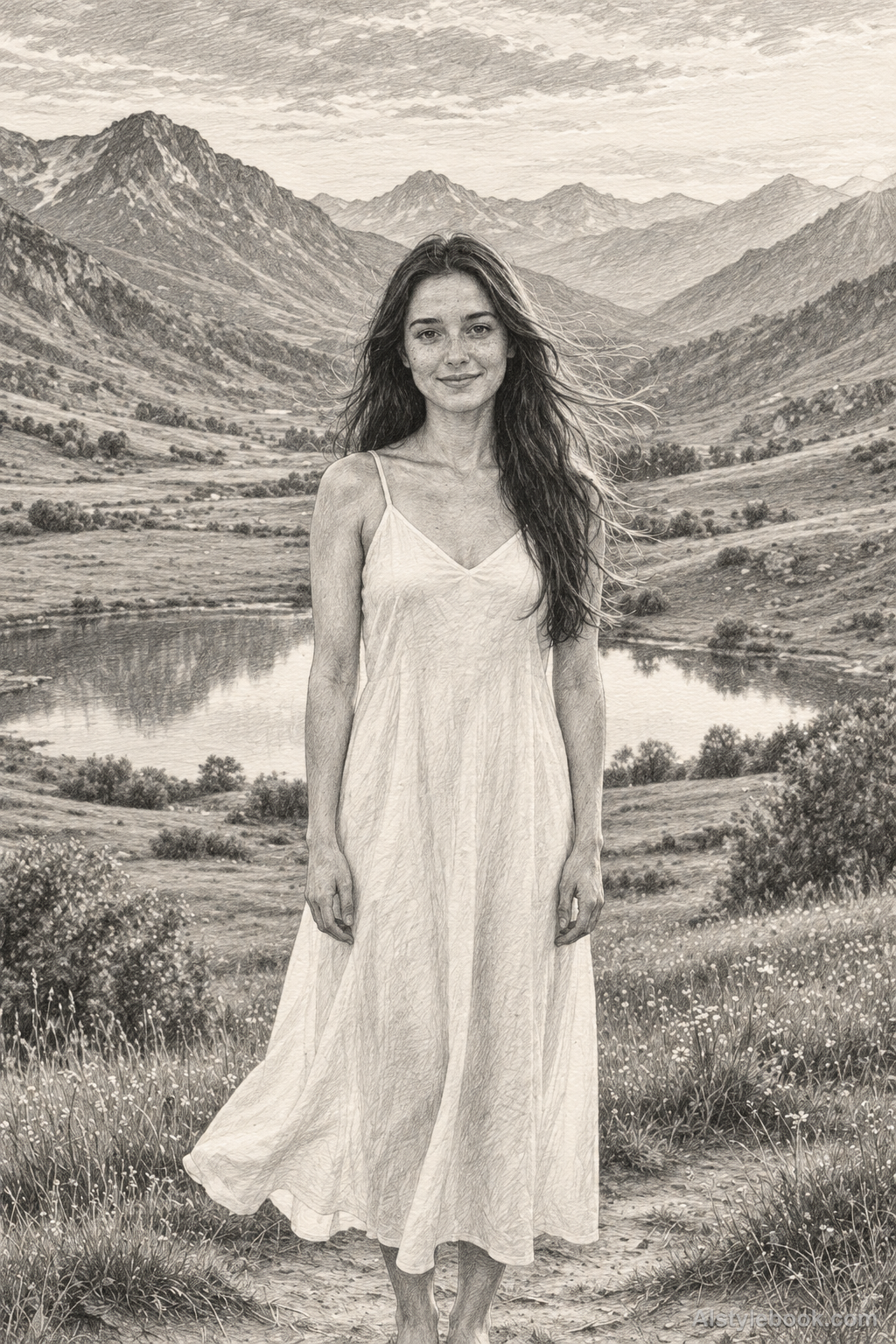
- Portrait
- Grayscale and rubbed marks emphasize facial structure, eye sockets and hair instead of skin color.
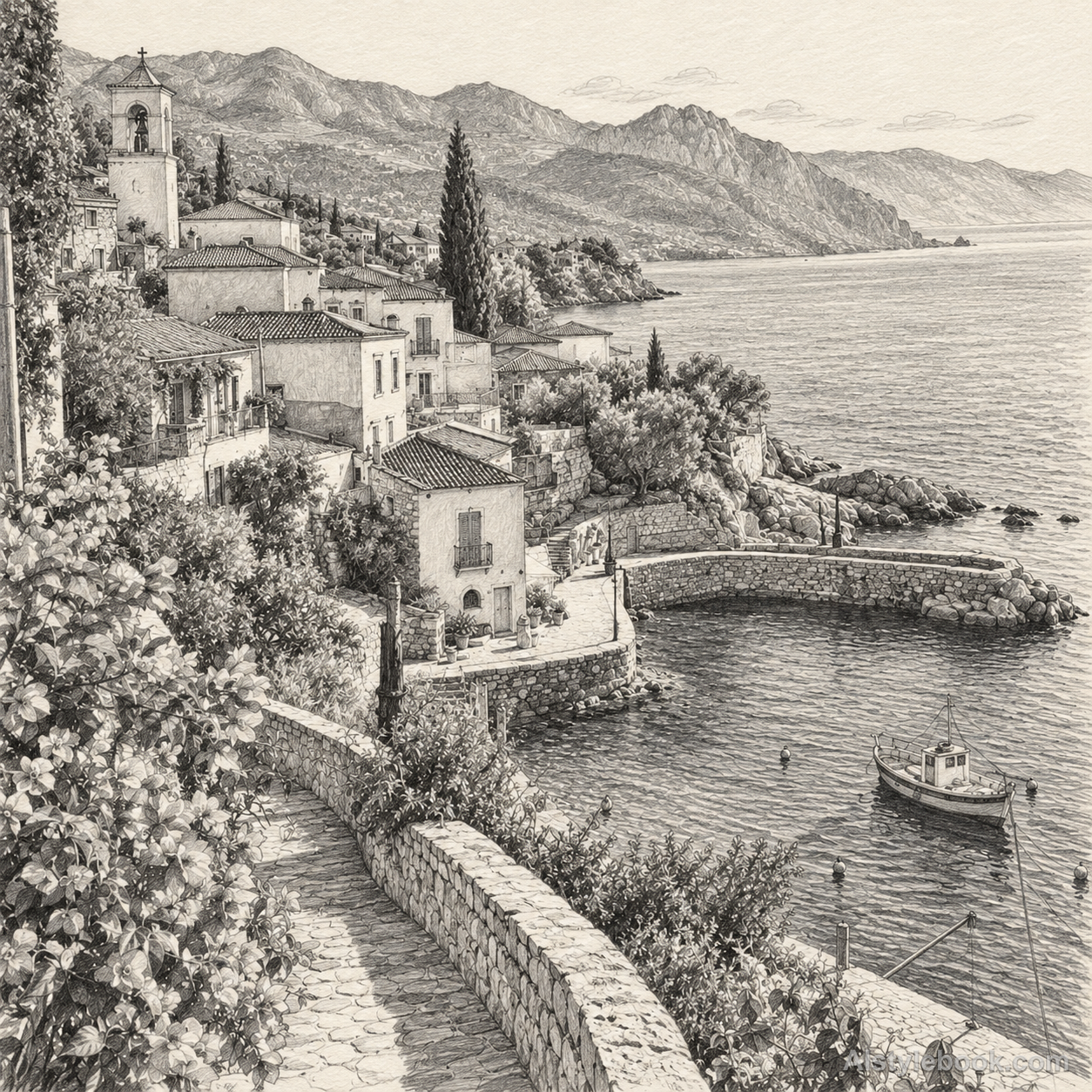
- Landscape
- Line density and tonal layers separate buildings, trees and distant hills.
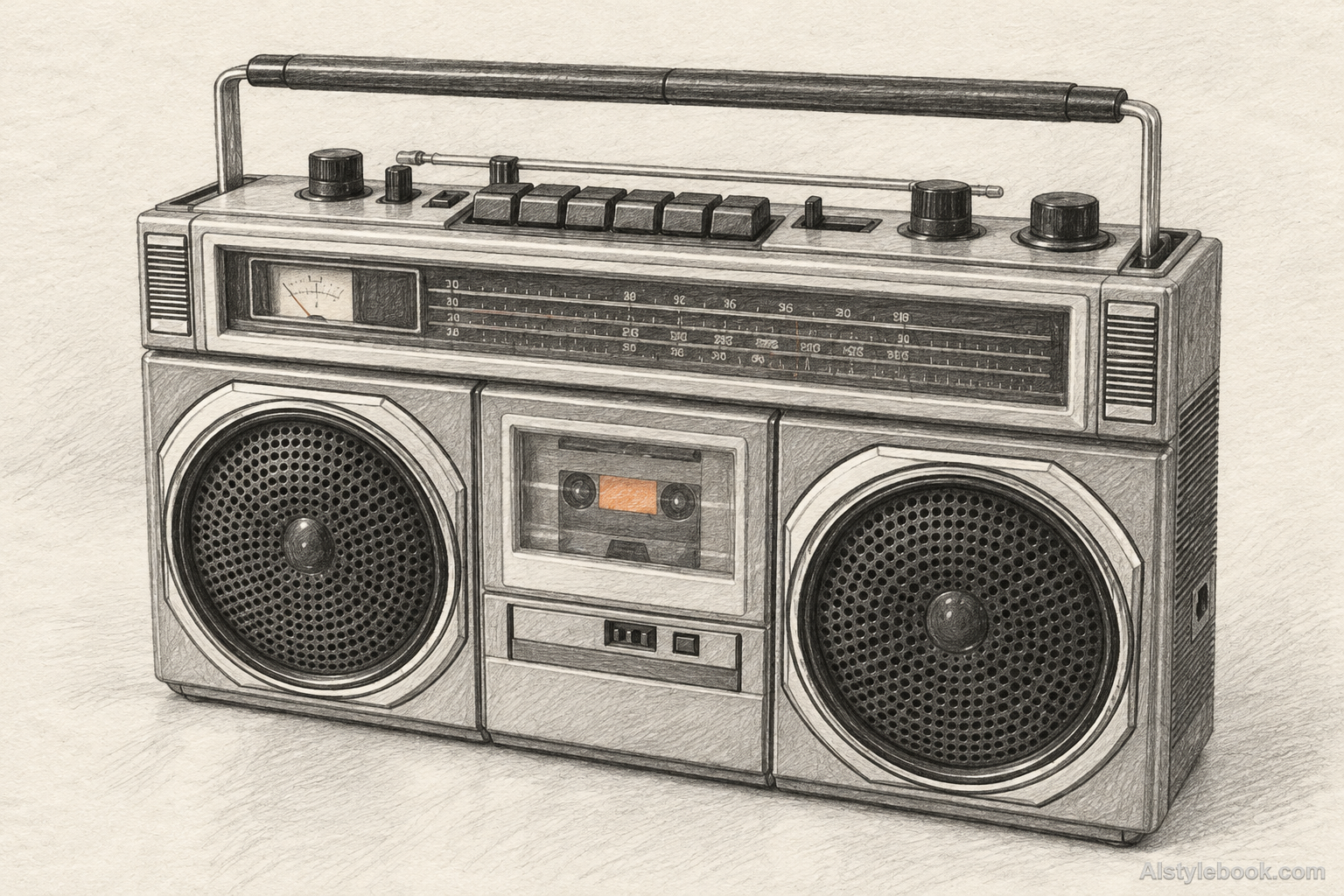
- Objects
- Reserved highlights and accumulated dark marks clarify planes and shadows while removing original color.
- Subjects
- Choose side-lit portraits, plaster forms, architecture or single objects with rich tones and clear highlights.
The adjustable modern graphite pencil
The modern graphite pencil is associated with Nicolas-Jacques Conté’s 1795 process of firing graphite with clay and adjusting their proportions to vary hardness. Pencil became a practical medium for nineteenth-century observation and composition studies. John Constable’s pencil sketches also record stages between direct observation and completed paintings.
Artists & practitioners
Creators to know
John Constable
Pencil sketches held by the V&A show how he used observation and compositional studies in preparation for finished paintings.
Bring the style to your photos
Reusable style prompt for Graphite Pencil Sketch
Redraw the image entirely in graphite pencil on lightly textured ivory drawing paper. Use fine directional contour strokes and layered light hatching that follows the actual turns of each form. Reserve delicate pale gray for broad planes, darken selected structural junctions with controlled pencil pressure and leave highlights as clean paper. Allow subtle grain to interrupt individual strokes while keeping defining details precise. Maintain a quiet observational drawing with no color wash, charcoal smears, engraved metal lines or underlying photograph.Use the same style prompt for portraits, landscapes and objects.
Create with this styleKeep exploring


