
Printmaking & Printing
Grattage
Style guide
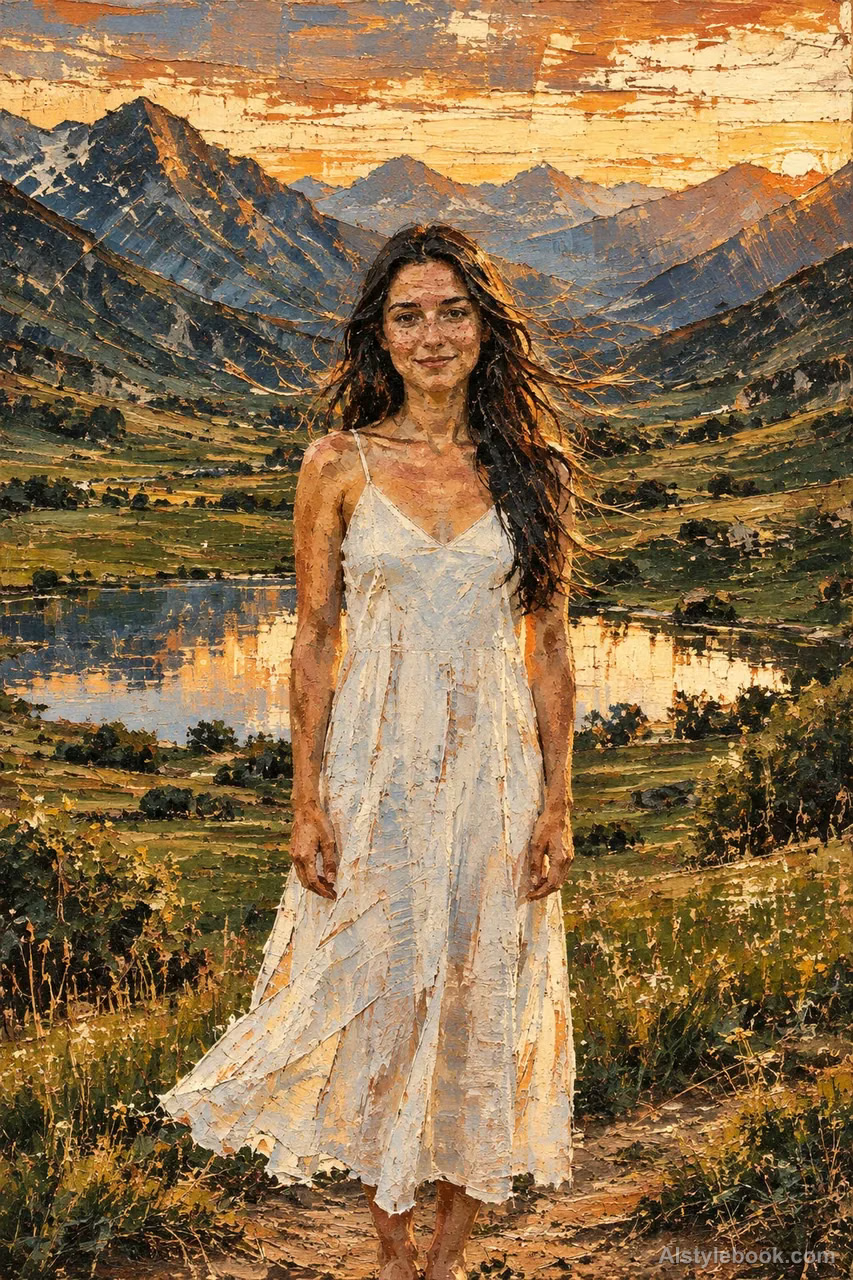
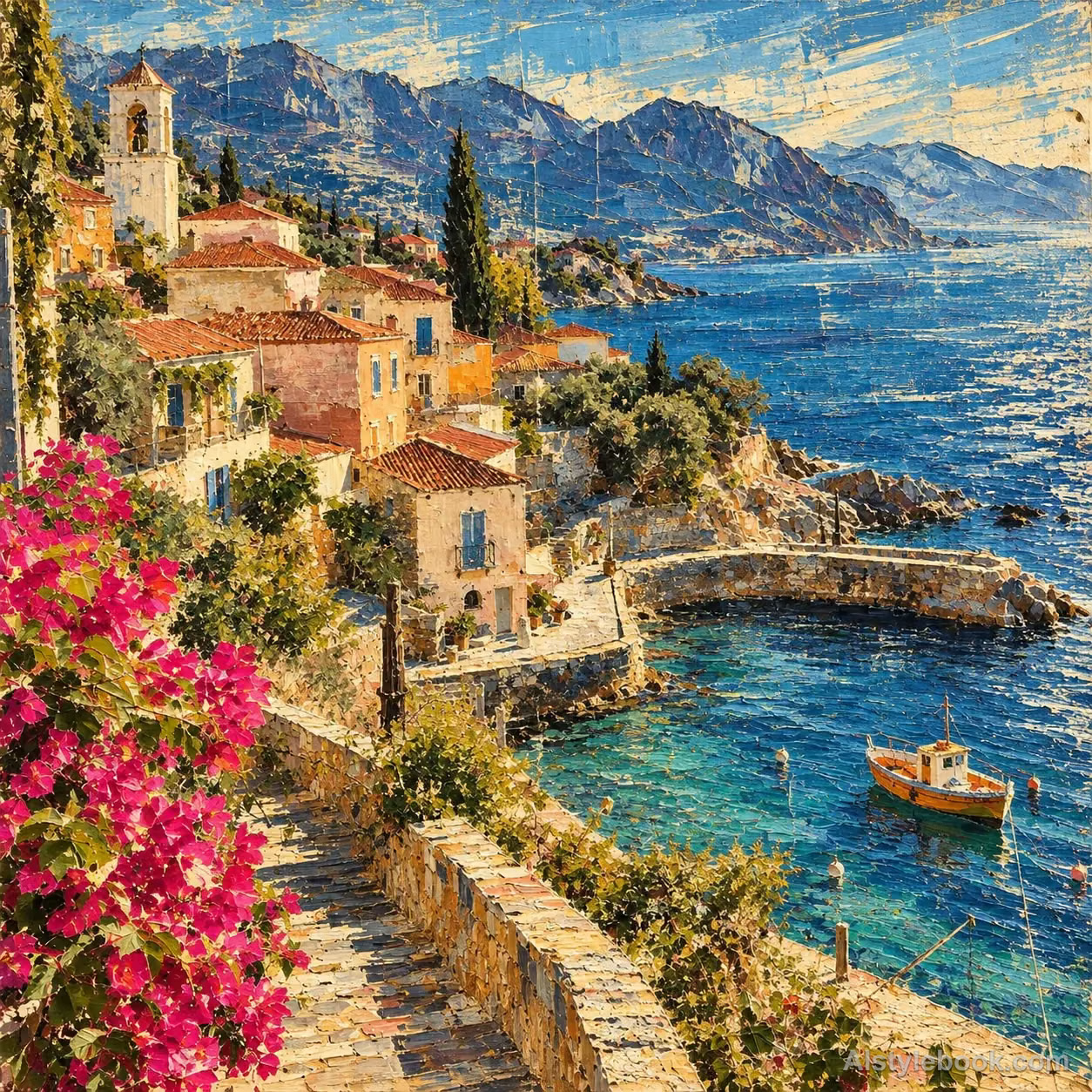
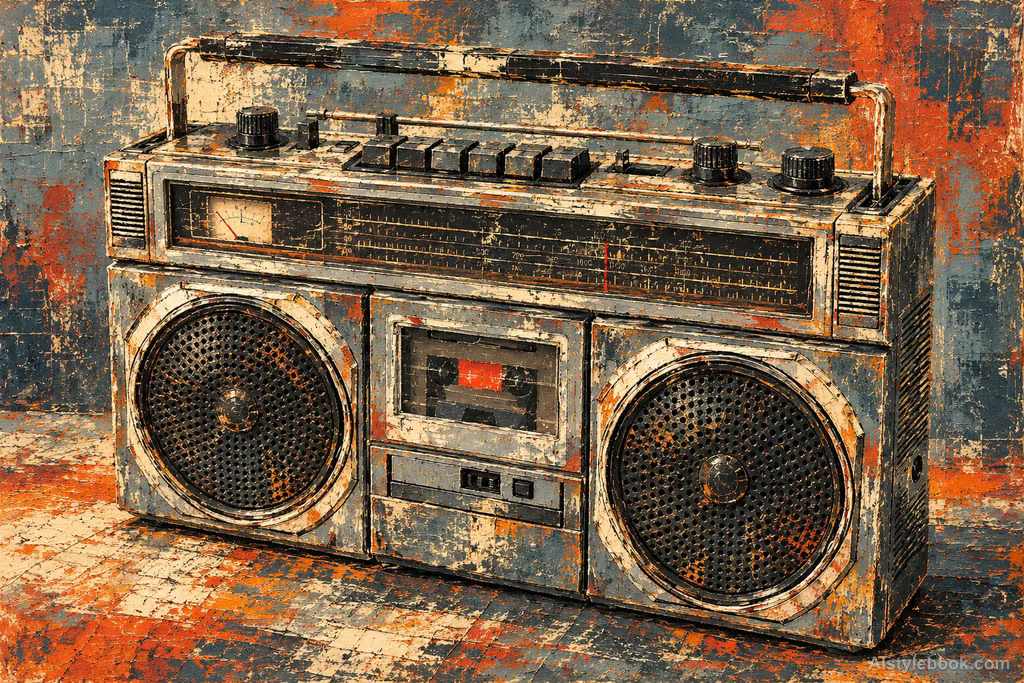
Hard scraping exposes lower colors, while irregular ridges and residual oil paint jointly shape the forms.
The visual language
What is Grattage?
Hard tools scrape through wet paint, revealing underlying color between remaining deposits. Scratches, ridges and uneven planes build forms with a surface that feels repeatedly uncovered.
Grattage reveals underlying texture by scraping paint, allowing accidental marks to guide imagery.
Scraped wood-grain traces might suggest ridges that a few added marks develop into unfamiliar terrain.
How the style changes different subjects
- Portrait
- The figure emerges through scraped, pressed or irregular color marks, with pose anchoring softened features.
- Landscape
- Terrain and plants merge into accidental textures as if discovered within the material.
- Objects
- Irregular marks interrupt exact surfaces, making silhouette and broad tones more important.
- Subjects
- Choose trees, rocks, clear portraits or simple still lifes with a readable shape anchoring the material variation.
Grattage
Ernst scraped layered paint with hard-edged tools to expose underlying color and create surface textures, a method known as grattage.
Bring the style to your photos
Reusable style prompt for Grattage
Transform the image into grattage painting. Layer oil colors of differing values, then scrape firmly along forms so lighter underlayers emerge between irregular ridges. Interweave broad scraper tracks with fine broken textures, organizing accidental grain into recognizable shapes. Follow the original warm-cool relationships with added earth tones. Build light and shade from exposed-ground ratios, scraping direction and variations in residual paint thickness.Use the same style prompt for portraits, landscapes and objects.
Create with this styleKeep exploring


