
Painting & Drawing
Encaustic
Style guide
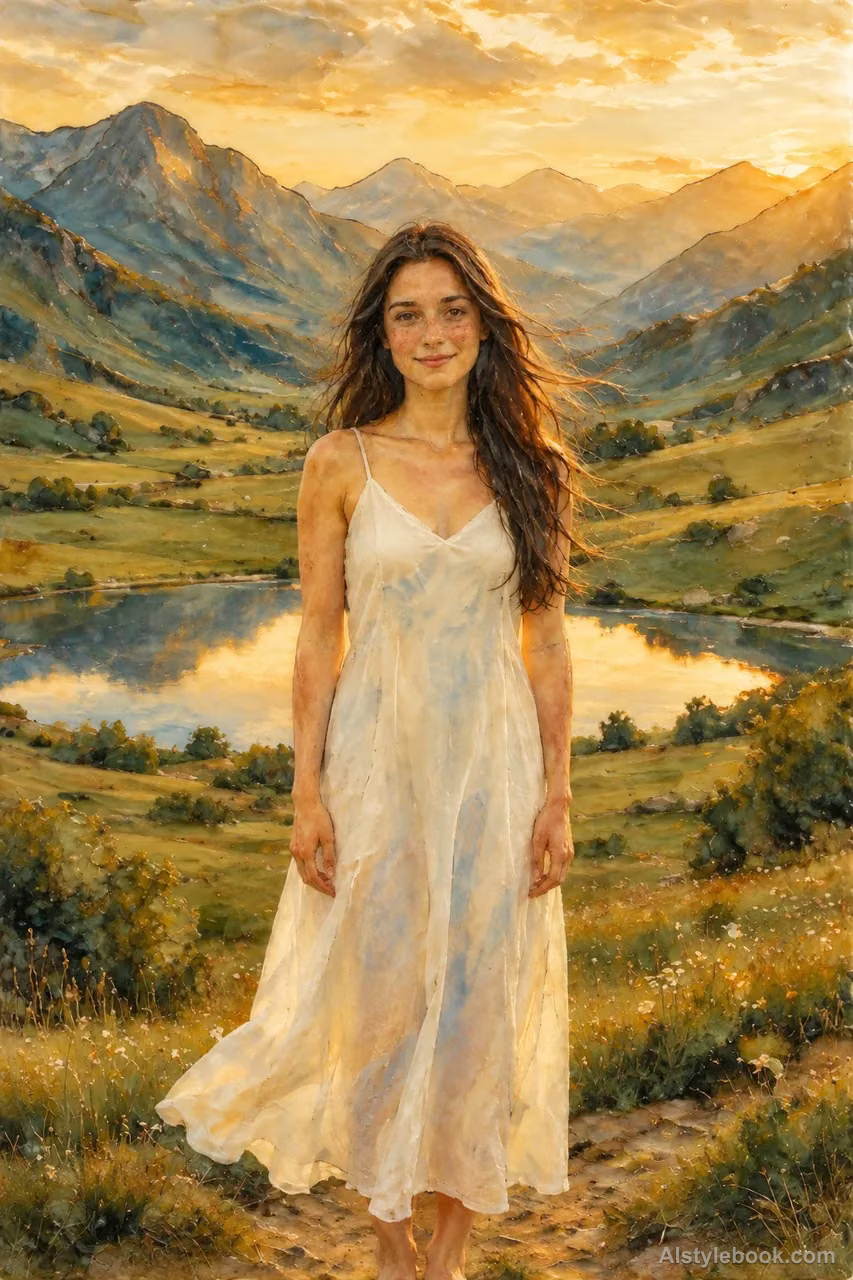
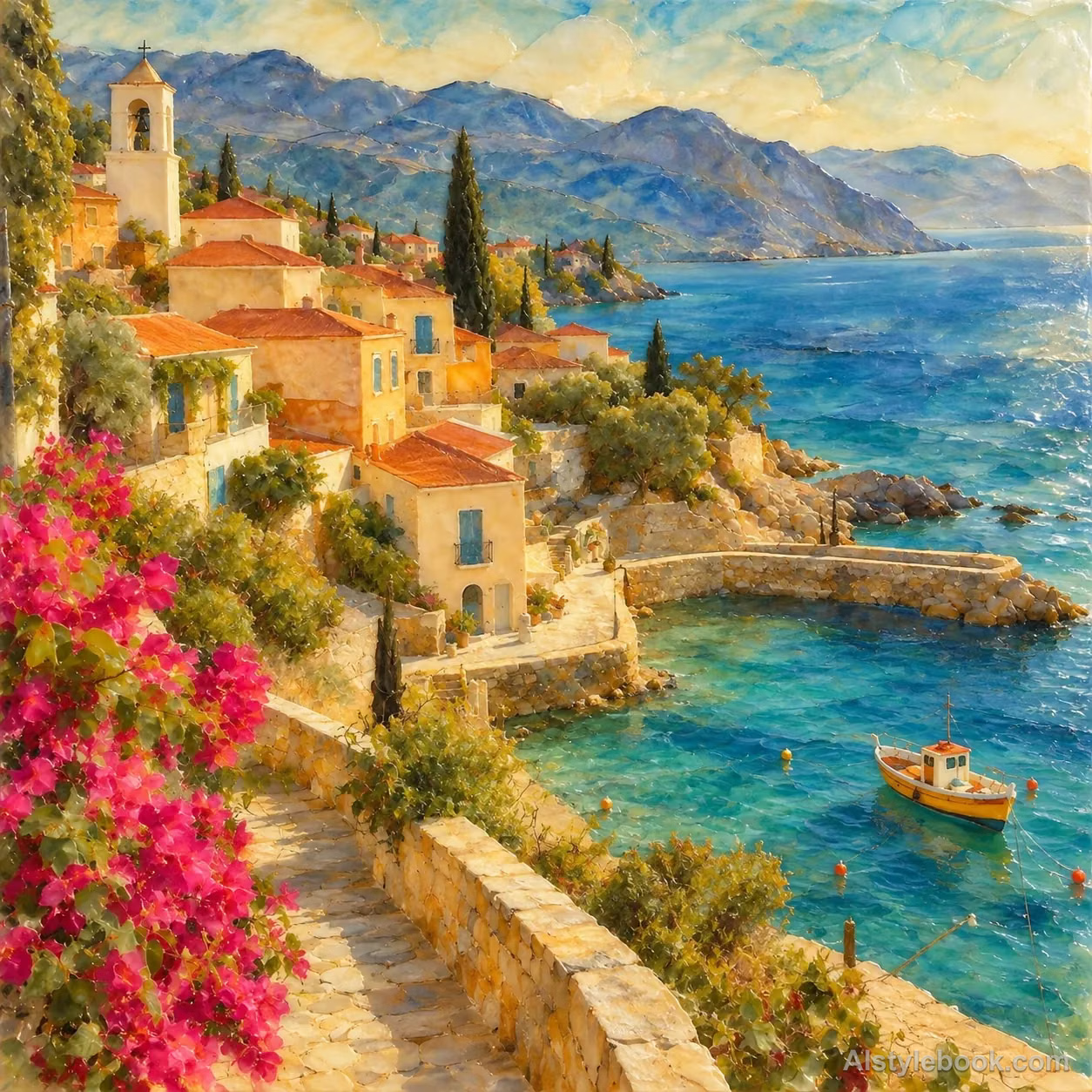
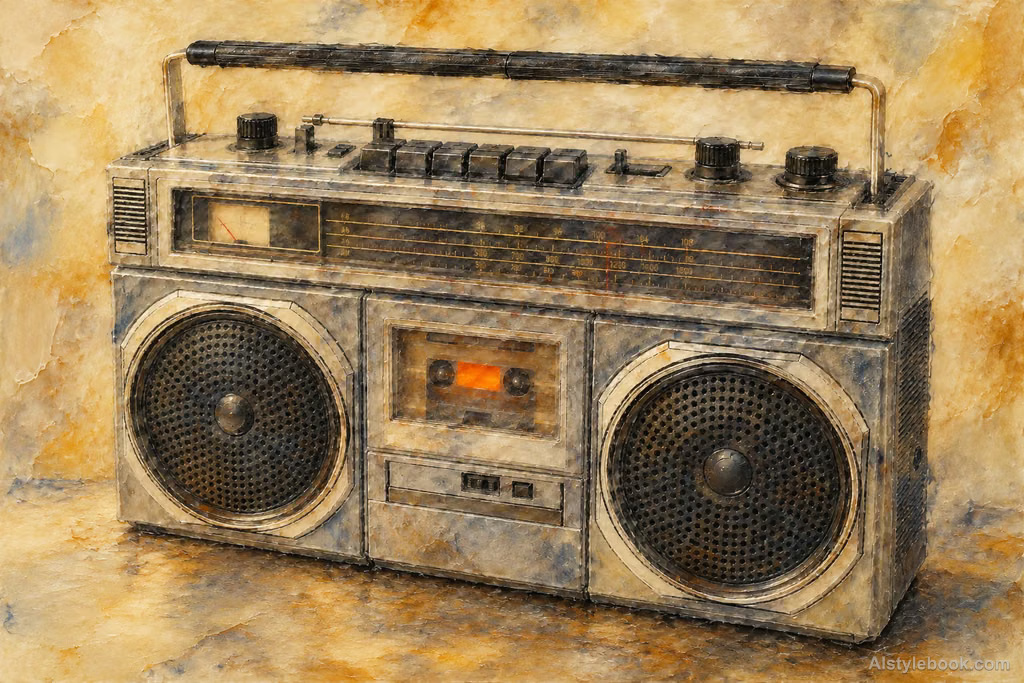
Translucent beeswax layers hold pigment marks, with misty depth and slight incisions creating a warm surface with a gentle wax sheen.
The visual language
What is Encaustic?
Pigment is held within translucent wax layers, making color appear to emerge from soft misty depth. Shallow scratches and a slight wax sheen give the surface a warm, preserved quality.
Encaustic can hold color within layers of wax, combining translucent depth with surface scraping.
Red seen through milky wax beside a shallow scratch can seem embedded rather than simply painted on top.
How the style changes different subjects
- Portrait
- Wax-like layers softly veil facial and clothing boundaries with a warm haze.
- Landscape
- Near and distant forms overlap through translucent color, suggesting a preserved memory.
- Objects
- Soft wax sheen and shallow scraped marks unify otherwise different materials.
- Subjects
- Choose nostalgic portraits, misty views, flowers or simple still lifes with silhouettes that remain readable through haze.
Wax painting in Roman Egypt
Romano-Egyptian mummy portraits preserve examples of painting with beeswax as a principal binder. Analysis also identifies oil in some wax portraits, showing that historical formulations varied.
Bring the style to your photos
Reusable style prompt for Encaustic
Reshape the subject through translucent fused-beeswax color layers, with pigment traces appearing embedded inside and softly cloudy depth showing through. Preserve subtle scraped incisions, overlapping thin layers, and a restrained warm wax sheen. Edges may merge gently while core forms stay clear. Keep colors translucent without dazzling gloss, retaining the sense of material sealed within a handmade surface. Avoid shiny resin, uniform crack filters, and ordinary opaque impasto.Use the same style prompt for portraits, landscapes and objects.
Create with this styleKeep exploring


