
Painting & Drawing
Illusionistic Surrealism
Style guide
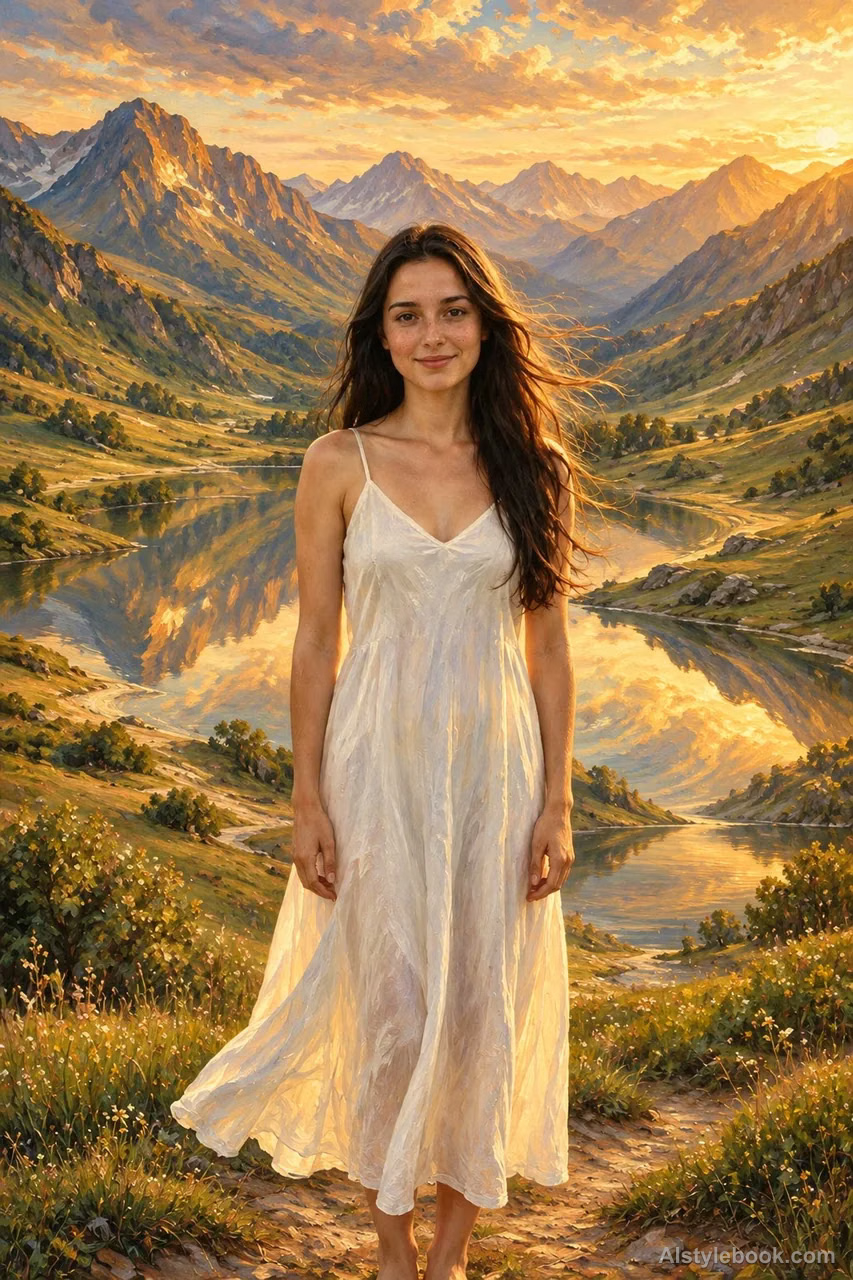
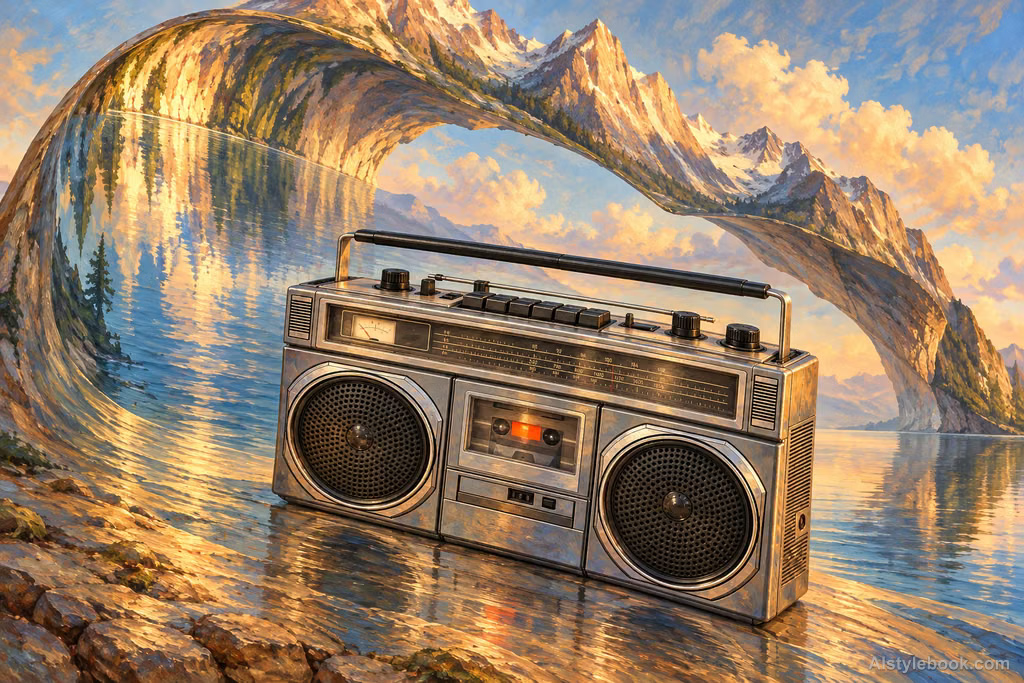
Fine glazing and precise volume combine with continuously folding space and long shadows to create a quiet dreamlike realism.

The visual language
What is Illusionistic Surrealism?
Volume, material and cast shadows remain convincing, while spatial relationships quietly fold back or extend in impossible ways. Fine glazing makes the irrational feel calm and tangible.
Illusionistic surrealism pairs believable surfaces with impossible relationships.
An accurately shaded cup whose rim opens onto a distant staircase can turn a familiar object into an unsettling dream.
How the style changes different subjects
- Portrait
- Unexpected combinations of proportion, material or setting make a recognizable figure feel dreamlike.
- Landscape
- Familiar landmarks change scale or position, disrupting ordinary distance and gravity.
- Objects
- Altered size, function or material turns an everyday object into a visual puzzle.
- Subjects
- Choose a single person, isolated building or distinctive everyday object with one or two clear unexpected relationships.
Dreams and Surrealism
Surrealism explored dreams and involuntary mental processes; illusionistic imagery was one of its several visual approaches.
Bring the style to your photos
Reusable style prompt for Illusionistic Surrealism
Repaint the image as an illusionistic dreamlike oil painting, using fine glazing, clearly modeled volume and smooth but visibly hand-painted brushwork. Preserve major contours and positions while allowing existing curves to fold slowly and continuously between adjacent regions, subtly displacing contact relationships yet maintaining seamless transitions. Lengthen existing shadows and separate warm and cool light layers, creating a convincing dream through quiet illumination and precise detail.Use the same style prompt for portraits, landscapes and objects.
Create with this styleKeep exploring


