
Painting & Drawing
Renaissance Sfumato Painting
Style guide
Transparent glazing and smoky feathered edges create naturally rounded volume, with earth tones and pale cool distance forming a quiet space.
The visual language
What is Renaissance Sfumato Painting?
Very thin transparent layers feather edges into smoky transitions with scarcely visible brushwork. Earth-toned foregrounds connect quietly with pale cool distance under low-contrast light.
Sfumato softens tonal transitions while retaining form, allowing edges to merge into surrounding air.
A mouth corner fading into cheek shadow and pale distant mountains can feel connected by atmosphere.
How the style changes different subjects
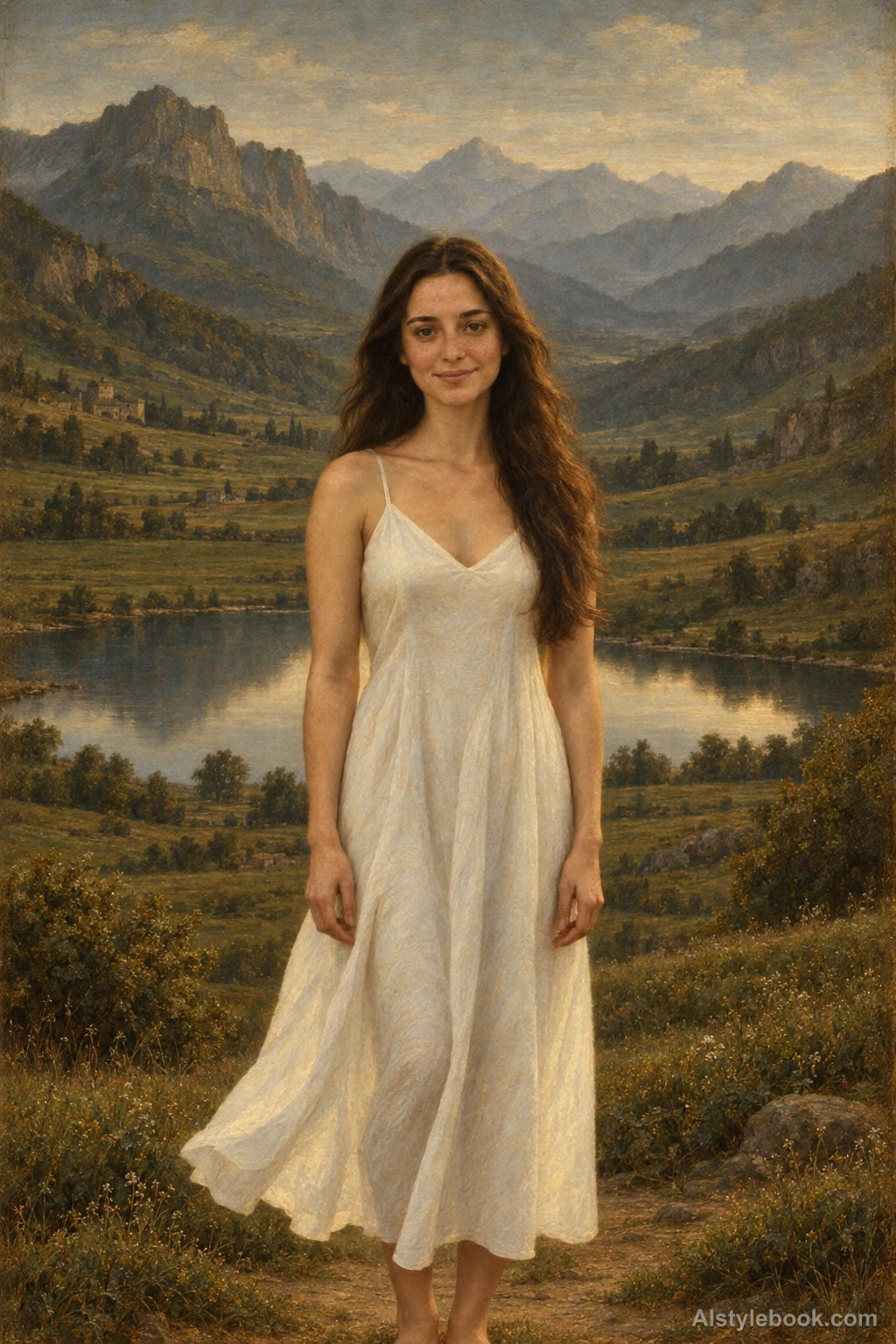
- Portrait
- Smoke-like tonal transitions soften features and reduce hard facial edges.
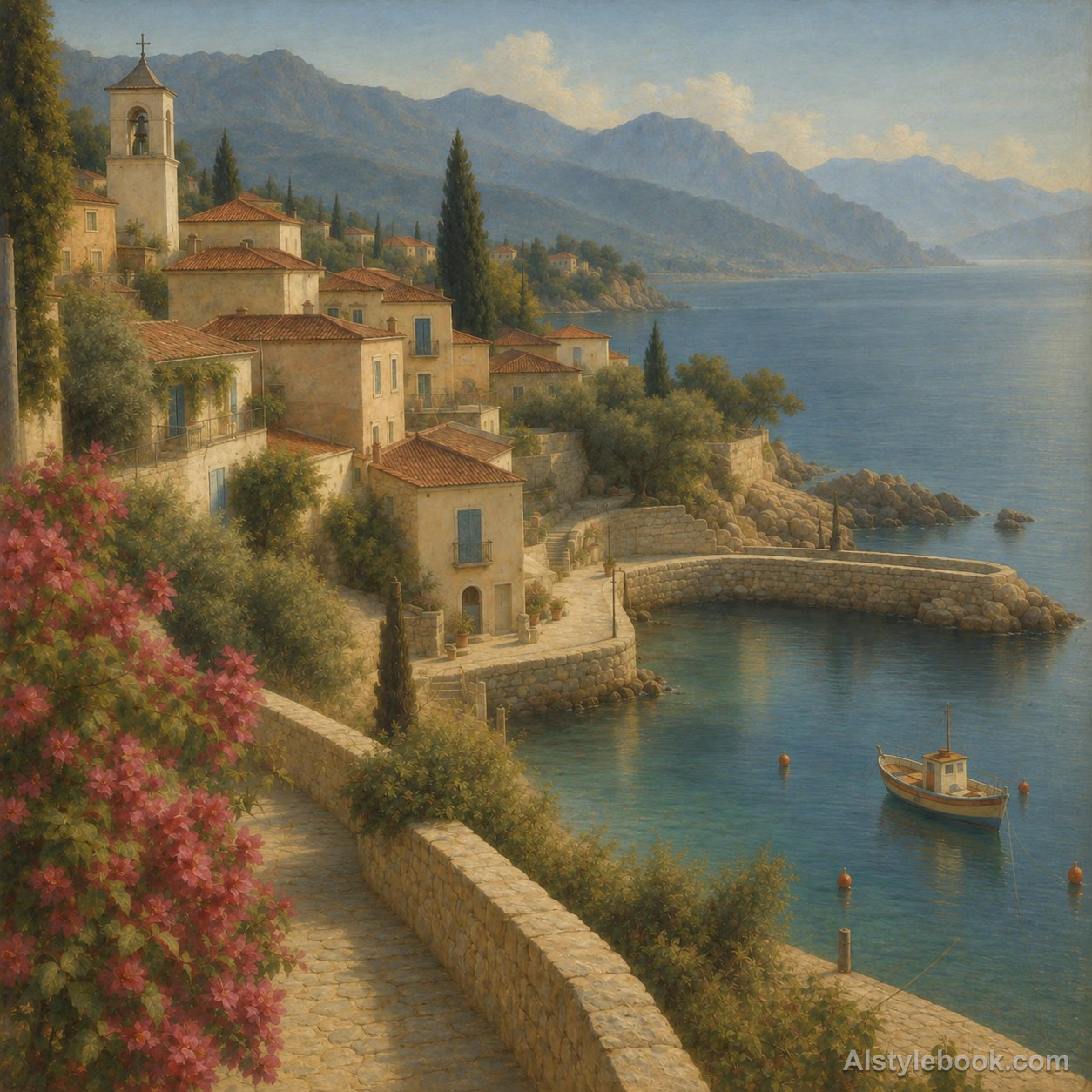
- Landscape
- Distance grows paler and cooler as hills, trees and sky blend into quiet depth.
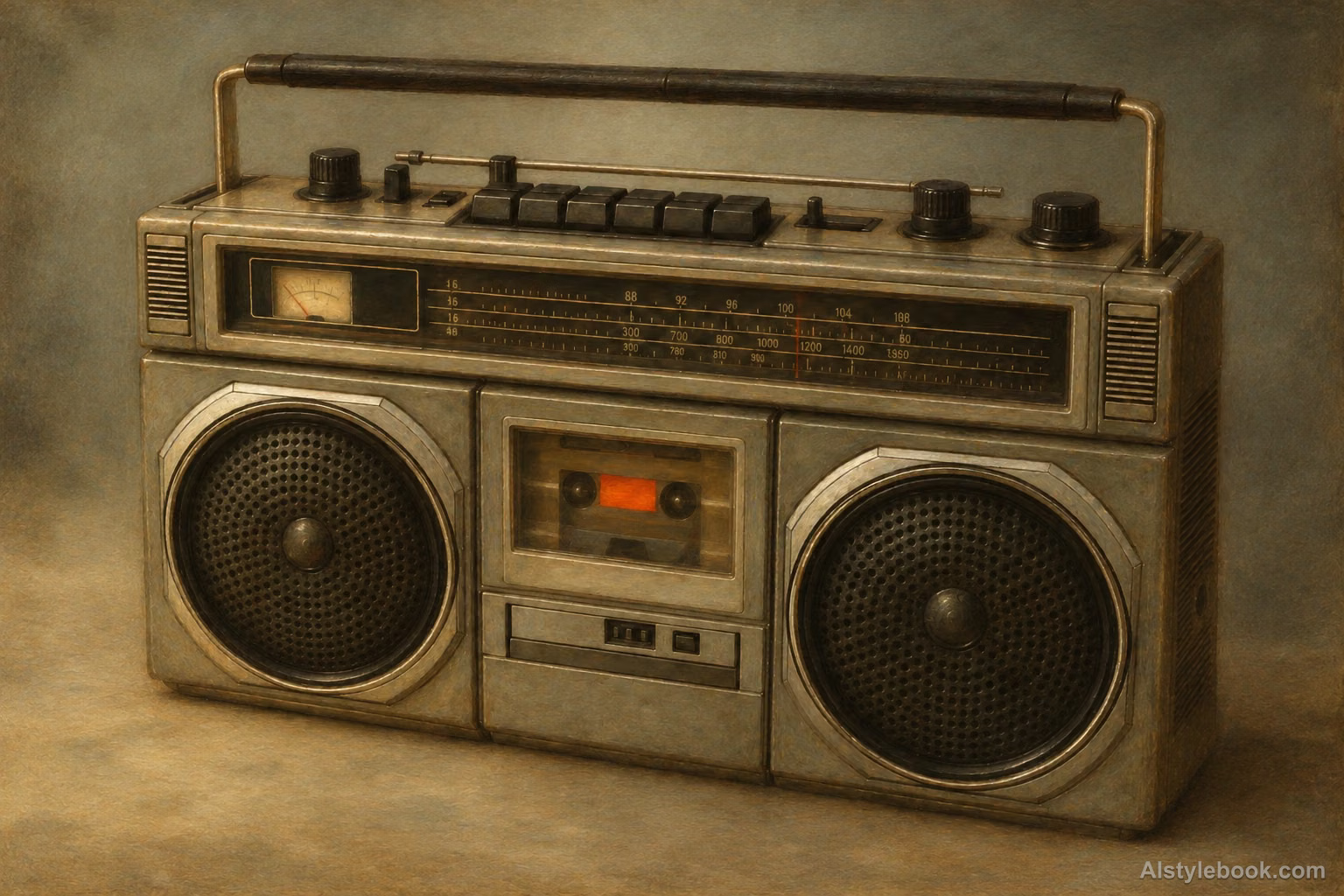
- Objects
- Delicate gradients model curves with restrained reflections, softening even hard materials.
- Subjects
- Choose softly lit portraits, misty mountains or rounded still lifes with subtle tones rather than harsh shadows.
Smoky transitions
Sfumato models forms through seamless tonal transitions without hard edges; Leonardo’s painting is a major reference for the technique.
Artists & practitioners
Creators to know
Leonardo da Vinci
Exemplified sfumato through soft tonal transitions without hard outlines.
Bring the style to your photos
Reusable style prompt for Renaissance Sfumato Painting
Redraw the image as Renaissance sfumato oil painting, gradually modeling forms with thin transparent glazes over a subtly warm ground. Feather boundaries into continuous smoky transitions; keep volume natural and rounded, with almost invisible brushwork. Use restrained olive, umber and ochre, with pale cool distant regions. Diffused, balanced illumination and quiet low contrast maintain spatial depth and defining structure.Use the same style prompt for portraits, landscapes and objects.
Create with this styleKeep exploring


