
Photography & Film
Long Exposure & Light Painting
Style guide
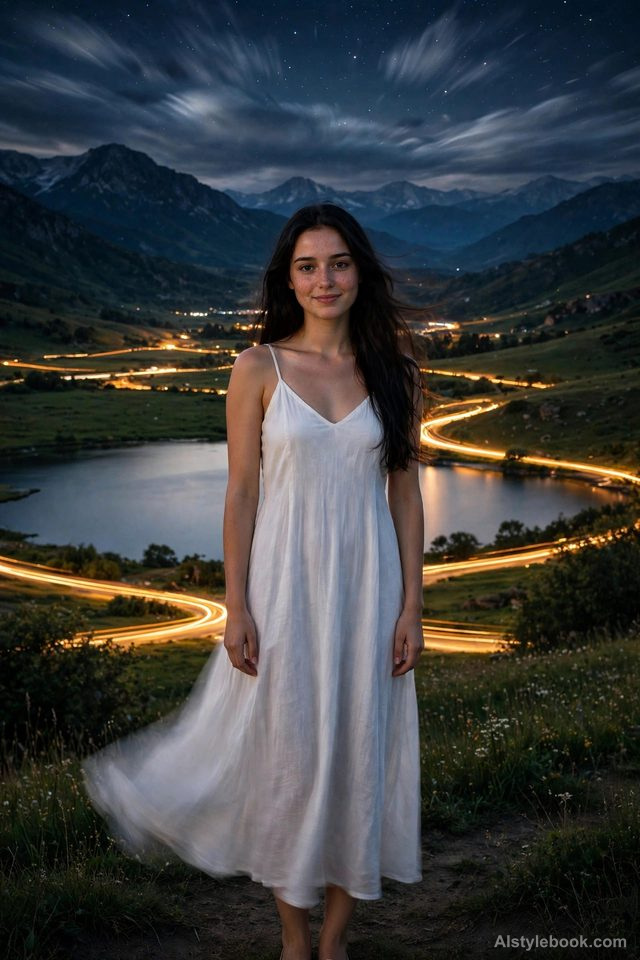
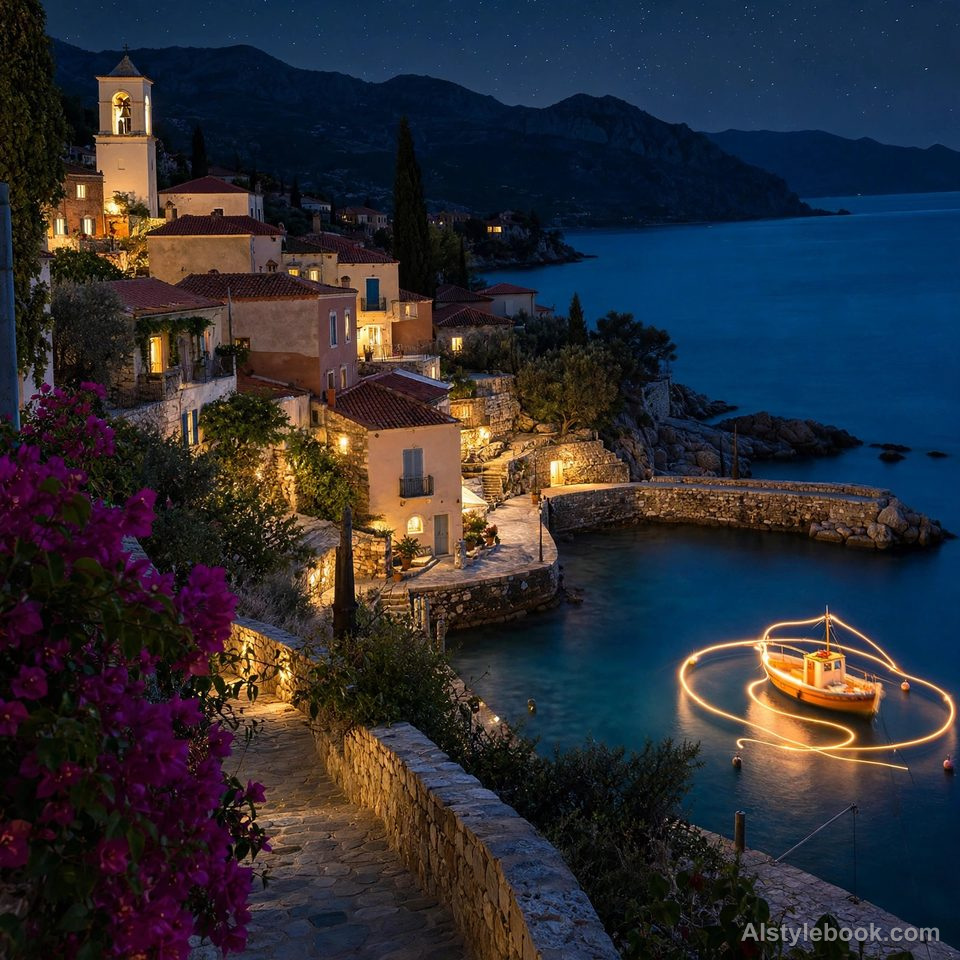
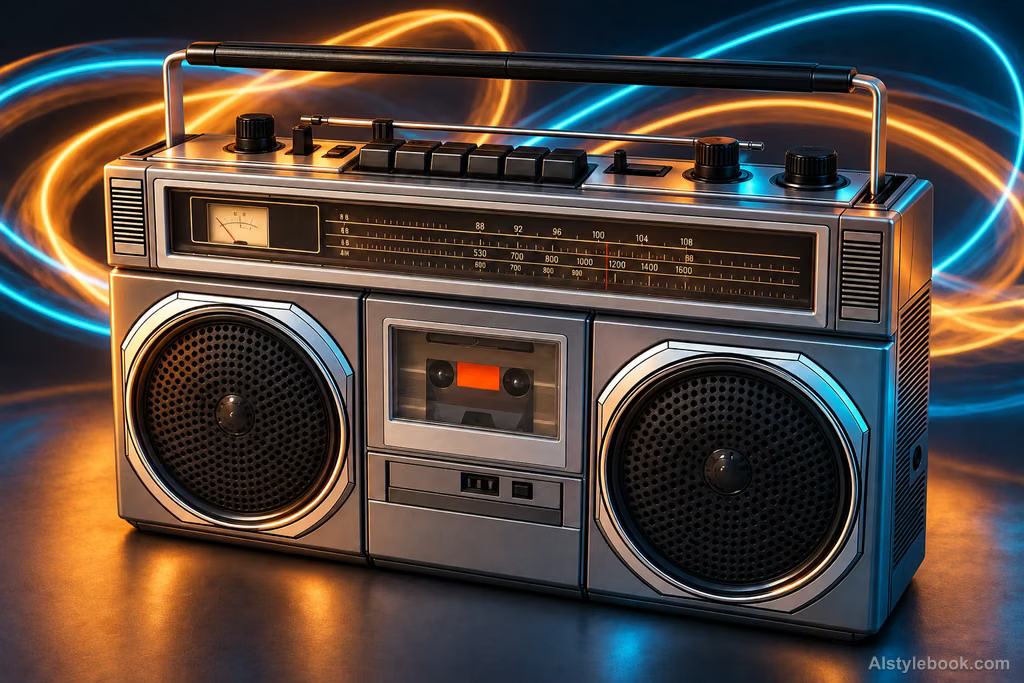
Crisp, stationary structures contrast with continuous light trails, capturing the flow of light as it accumulates over time.
The visual language
What is Long Exposure & Light Painting?
Capture a span of time in a single image: mountains, buildings, and the outlines of people stay clear while moving points of light become trails. Long exposure is a photographic technique; light painting involves deliberately moving a light source during the exposure to draw lines or illuminate selected areas. The two are related, but not every long exposure is a light painting.
Exposure time accumulates movement against a stable reference, while light painting adds deliberately moved illumination.
Traffic trails beside a sharp mountain record passing lights; a torch drawn around a figure uses light as a controlled drawing tool.
How the style changes different subjects
- Portrait
- A clear face or pose contrasts with moving light and trailing gestures, making the direction of motion more apparent.
- Landscape
- Buildings and hills anchor the scene while traffic lights, water or moving highlights trace the passage of time.
- Objects
- A readable silhouette can remain while reflections or light trails suggest rotation or movement around it.
- Subjects
- Choose night streets, dancers, traffic or objects with directional highlights. A clear anchor helps keep the trails readable.
From slow shutters to writing with light
Keeping the shutter open longer records the path of a moving light source in one photograph. In Space Writing (Self-Portrait), made in 1935, Man Ray used a long exposure and drew in the air with a penlight, making light part of the portrait. Light painting can also place the source outside the frame, illuminating a person, a still life, or a night landscape one area at a time.
Artists & practitioners
Photographers to explore
Man Ray
Space Writing (Self-Portrait), from 1935, records the movement of a handheld light source as lines, an example of writing with light in early experimental photography.
Dave Black
A contemporary light-painting photographer who moves a flashlight to illuminate night scenes, people, and still lifes in sections, emphasizing the direction of light and detail within each area.
Bring the style to your photos
Reusable style prompt for Long Exposure & Light Painting
Convey light accumulating over time in a long-exposure photograph. Keep stationary structures clear and stable while existing moving elements extend into continuous, smooth trails along plausible paths. Bright regions may leave fine light streaks, with reflections and subtle movement blending naturally. Keep shadows clean and layered. Align trail direction, perceived speed, and illumination while preserving recognizability. Avoid uniformly blurring the entire image.Use the same style prompt for portraits, landscapes and objects.
Create with this styleKeep exploring


