
Photography & Film
Double Exposure
Style guide
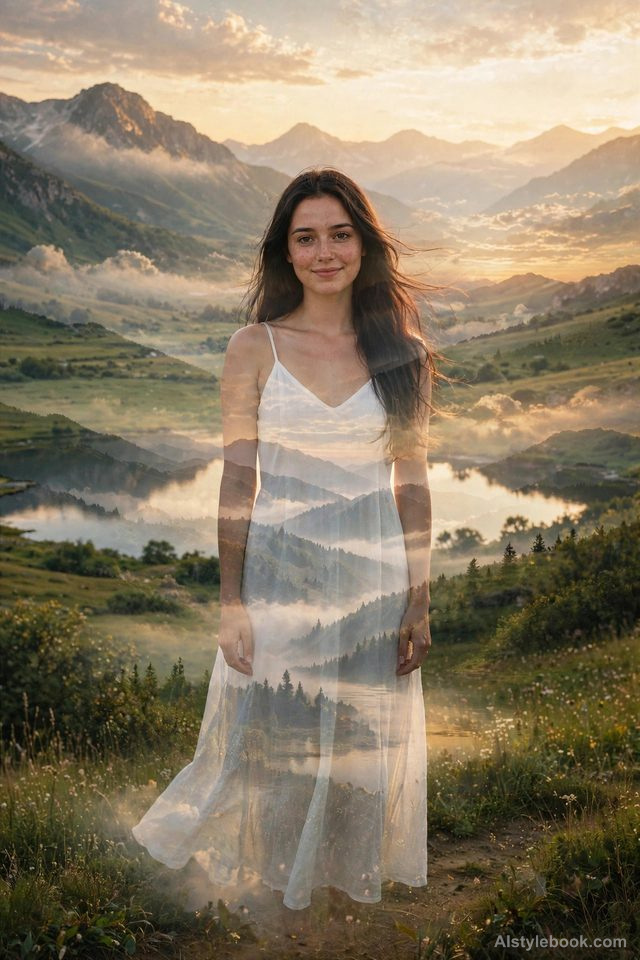
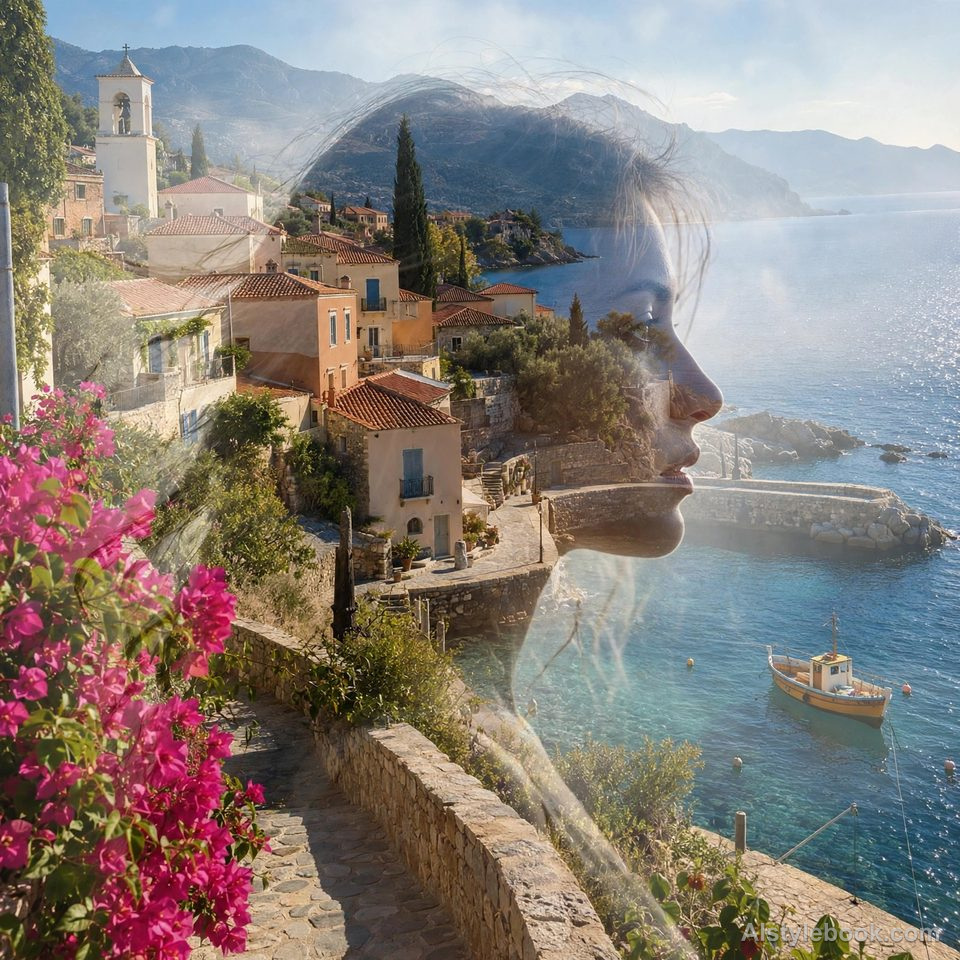
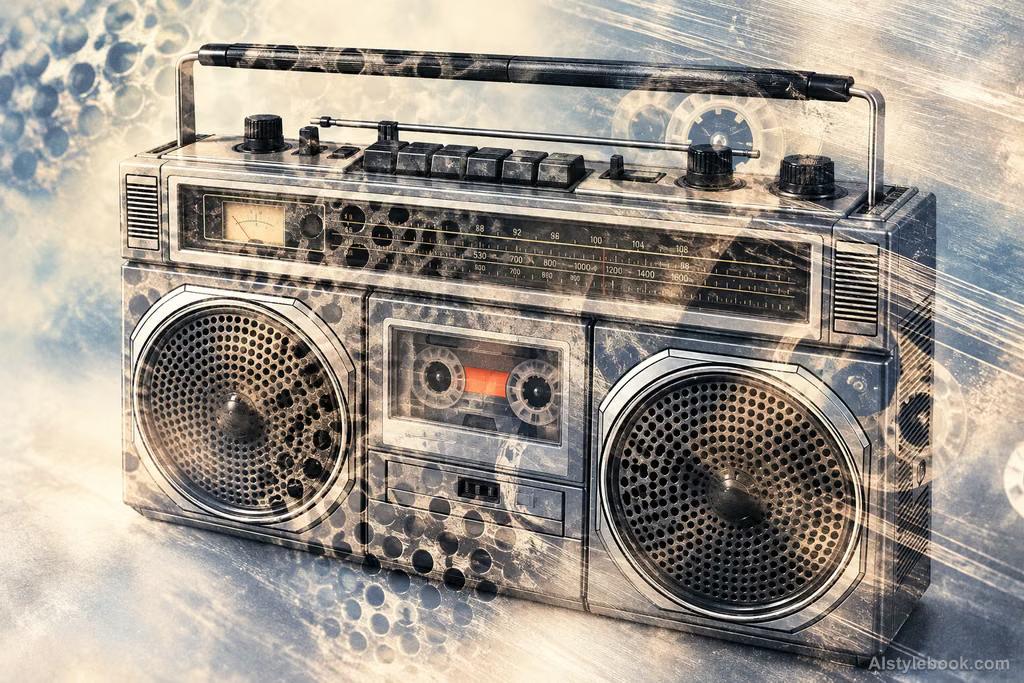
Two related images overlap transparently, with clear contours and softened textures interpenetrating in poetic photographic layers.
The visual language
What is Double Exposure?
Two image layers penetrate each other through transparency and occlusion rather than sitting side by side. A recognizable main contour contains secondary texture or space that creates another reading.
Double exposure organizes overlapping images around a dominant silhouette rather than blending both indiscriminately.
Forest detail within a dark profile, beside a clear forehead and nose, can suggest an inward landscape.
How the style changes different subjects
- Portrait
- The face or body becomes a boundary for another image, with expression and the overlaid scene sharing meaning.
- Landscape
- Skylines, trees and textures from different places overlap into a memory-like space.
- Objects
- The silhouette remains recognizable while another image rewrites the interior texture, reducing material realism.
- Subjects
- Choose clear profiles, lone trees, bottles or architectural silhouettes, paired with a second image with simple tonal structure.
Background
MoMA explains that double or multiple exposure can combine exposures on one film or plate, or layer images during darkroom printing. This use of transparency provides a documented technical background for later composite imagery.
Bring the style to your photos
Reusable style prompt for Double Exposure
Naturally superimpose two translucent image layers derived from the existing content. One layer should retain the subject's clearly recognizable outline; extend the other from its own textures, shapes, or local details. Balance density, openness, definition, and softness through interpenetrating light and dark. Blend boundaries gently while retaining photographic grain and realistic materials. Keep layers clearly ordered and visually related, avoiding hard pasted edges and confused ghosting.Use the same style prompt for portraits, landscapes and objects.
Create with this styleKeep exploring


