
Painting & Drawing
Mogu Color Painting
Style guide
Color and diluted ink shape forms directly without enclosing outlines, using brush pressure, wet edges and reserved paper.
The visual language
What is Mogu Color Painting?
Mogu color painting shapes forms directly through pigment and ink. Contours emerge from changes in density, hue and wetness rather than enclosing lines. Brush pressure widens and tapers each color mass, balancing selected soft blends with clear brush edges and reserved paper light.
Mogu forms images directly through color and ink rather than a fully outlined scaffold.
A pale red petal deepening at its base and softening at its edge can remain distinct through nearby paper gaps.
How the style changes different subjects
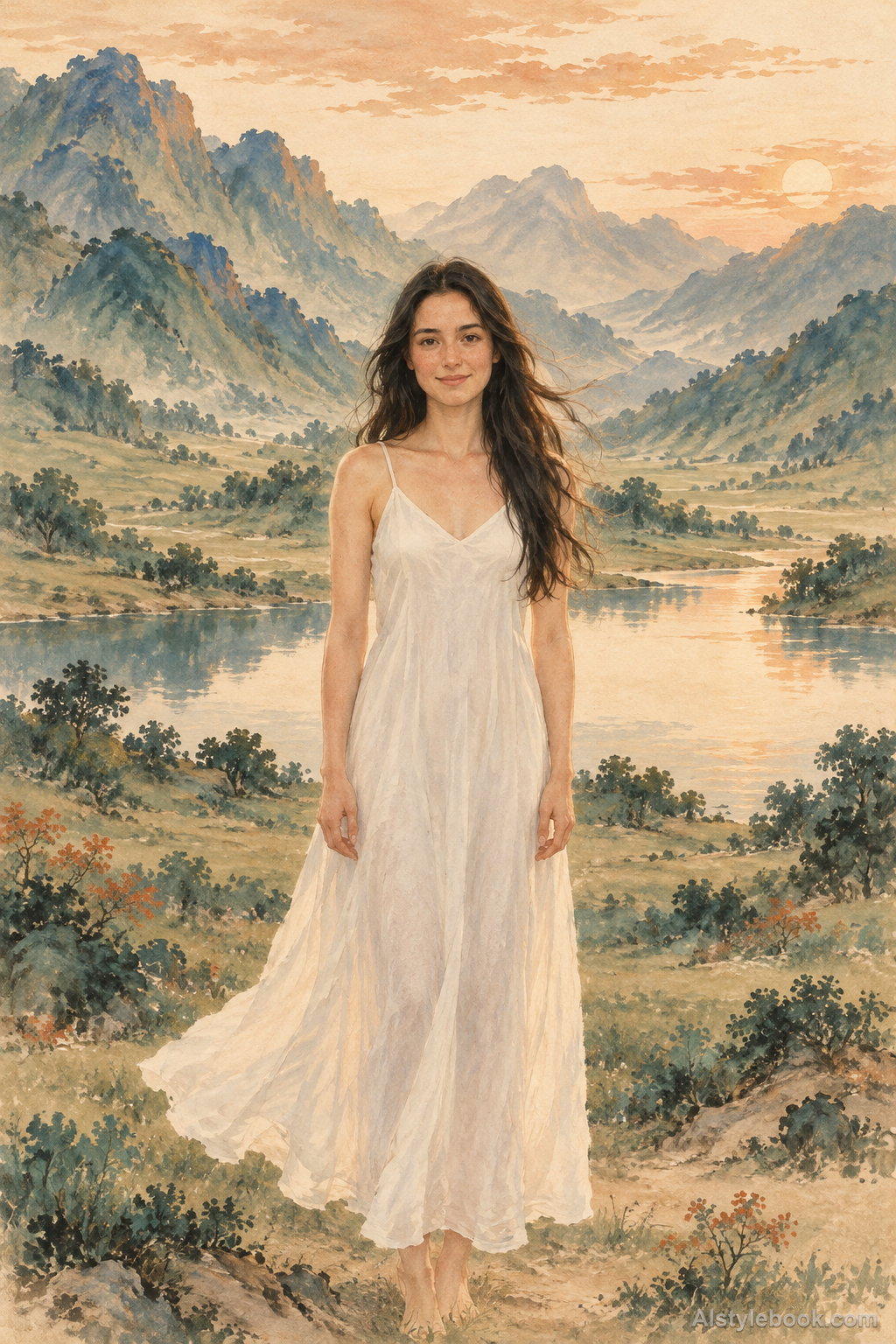
- Portrait
- Pigment boundaries form features and clothing without enclosing every shape in ink.
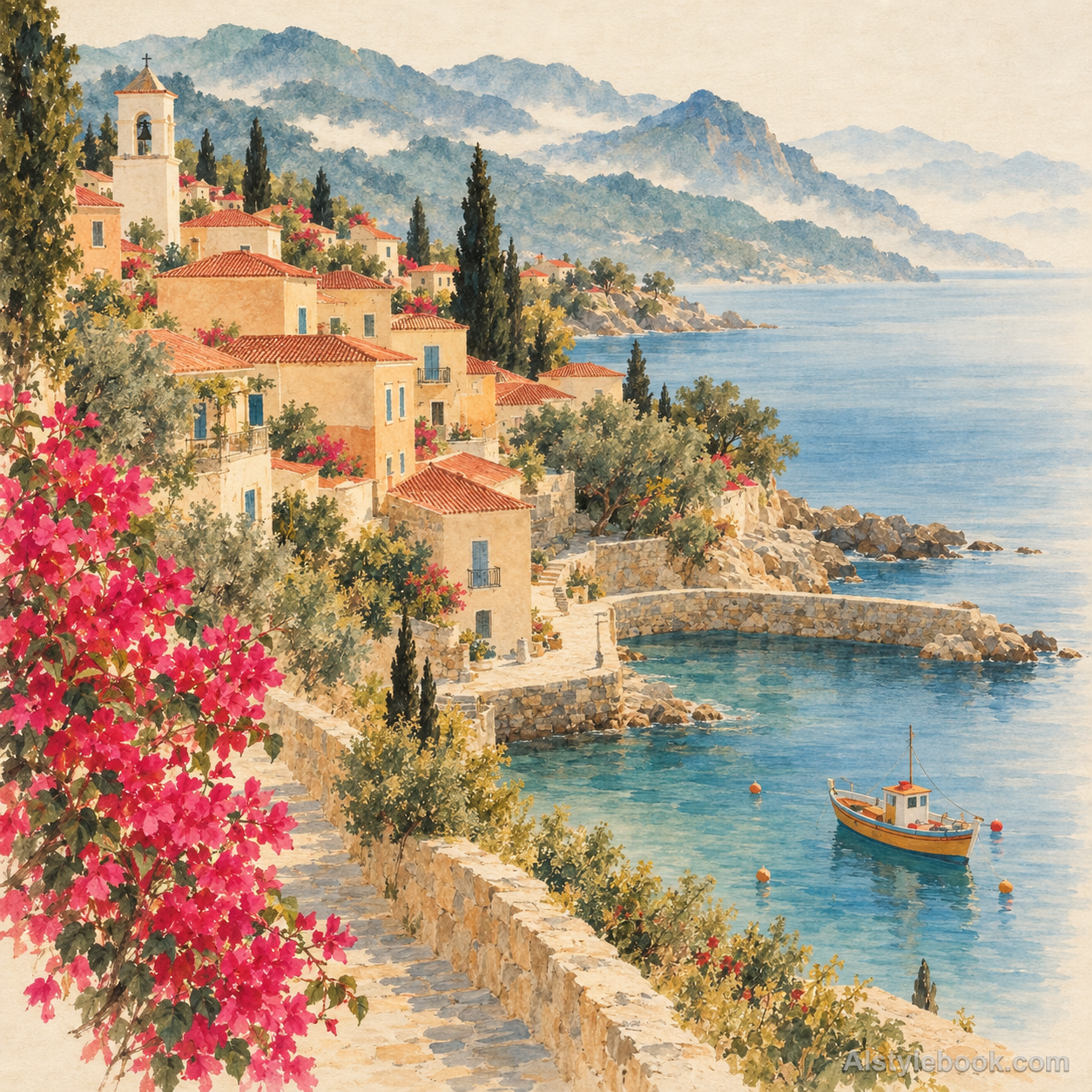
- Landscape
- Color density connects flowers, clouds and distant hills through visible brush edges.
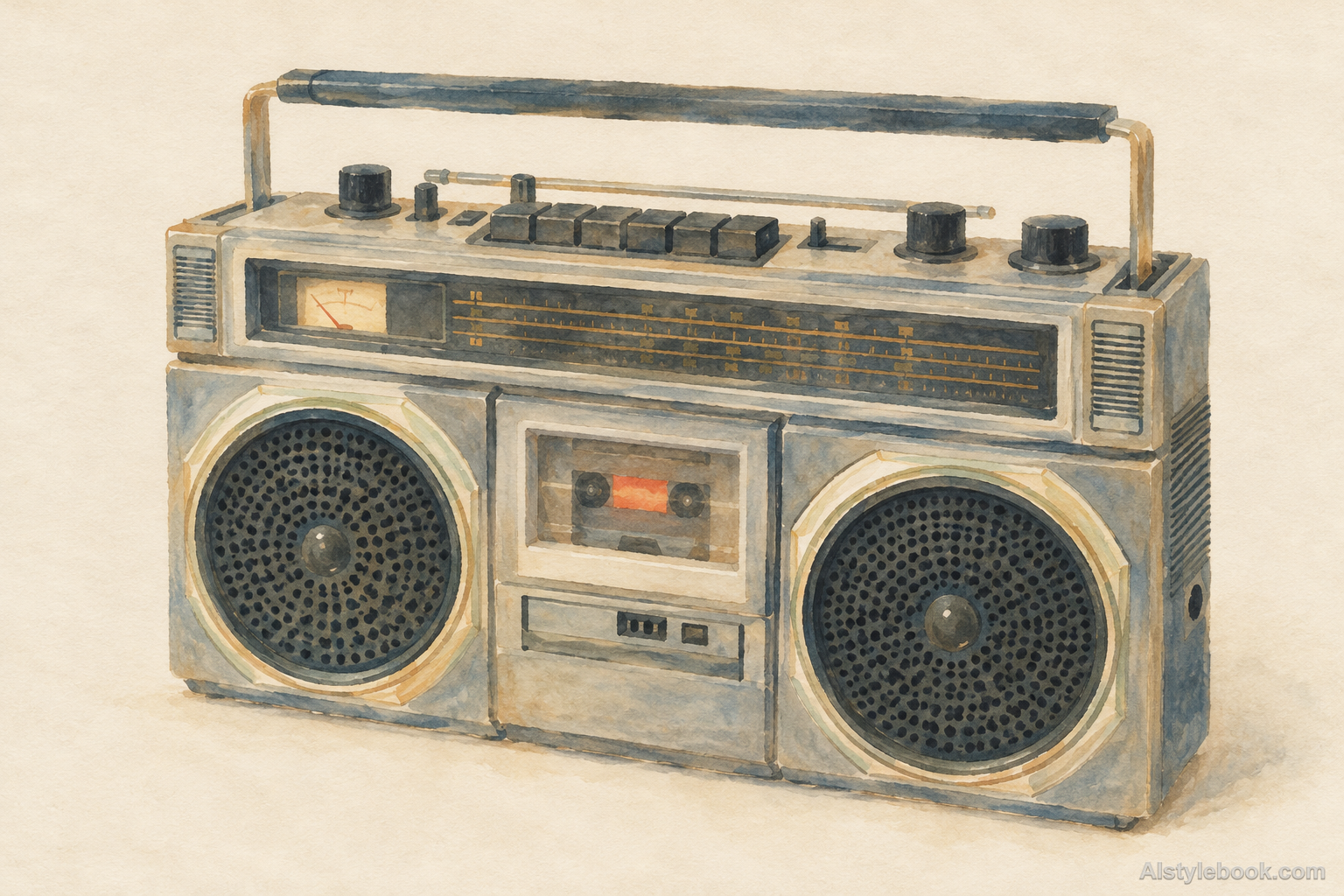
- Objects
- Color layers and strokes model objects with fewer hard outlines.
- Subjects
- Choose flowers, foliage, softly lit figures or rounded vessels whose contours can be carried by color.
Variant relationship
An outline-free color-shaping variant of Chinese color painting. Compare with Gongbi Polychrome Painting.
Compared with the outlined color layers of Gongbi Color Painting, mogu builds form directly through pigment density and brush pressure, omitting enclosing ink contours. It retains wet edges shared with watercolor, while widening and tapering color masses, selected clear brush boundaries and reserved paper organize more concentrated pigment layers.
Bring the style to your photos
Reusable style prompt for Mogu Color Painting
Preserve the original composition, identifying contours and spatial relationships. Repaint the whole image in Chinese mogu color painting, shaping every form directly with color and diluted ink rather than drawing outlines first. Let soft brush pressure create broad-to-tapered pigment masses, with deliberate light-dark loading, selective wet-on-wet blending and gently pooled edges on pale absorbent paper. Define adjacent forms through changes in pigment density, hue and edge softness. Keep some brush boundaries crisp and leave quiet paper reserves at existing highlights. Avoid enclosing black lines, fine preliminary contours, Western pencil underdrawing, generic all-over watercolor bleeding, gold grounds and added seals or calligraphy.Use the same style prompt for portraits, landscapes and objects.
Create with this styleKeep exploring


