
Paper & Collage
Photography and Flat-Color Mixed Media
Style guide
Some regions retain photographic light and material while the subject or key components become saturated flat shapes.
The visual language
What is Photography and Flat-Color Mixed Media?
Some regions retain photographic light and material while the subject or key components become saturated flat shapes. Clean cut edges join both media in one perspective and scene.
Photography-flat-color mixed media keeps distinct visual languages within shared perspective.
A flat-colored cup retaining its contact shadow on a photographic wooden table can integrate drawing into the same space.
How the style changes different subjects
- Portrait
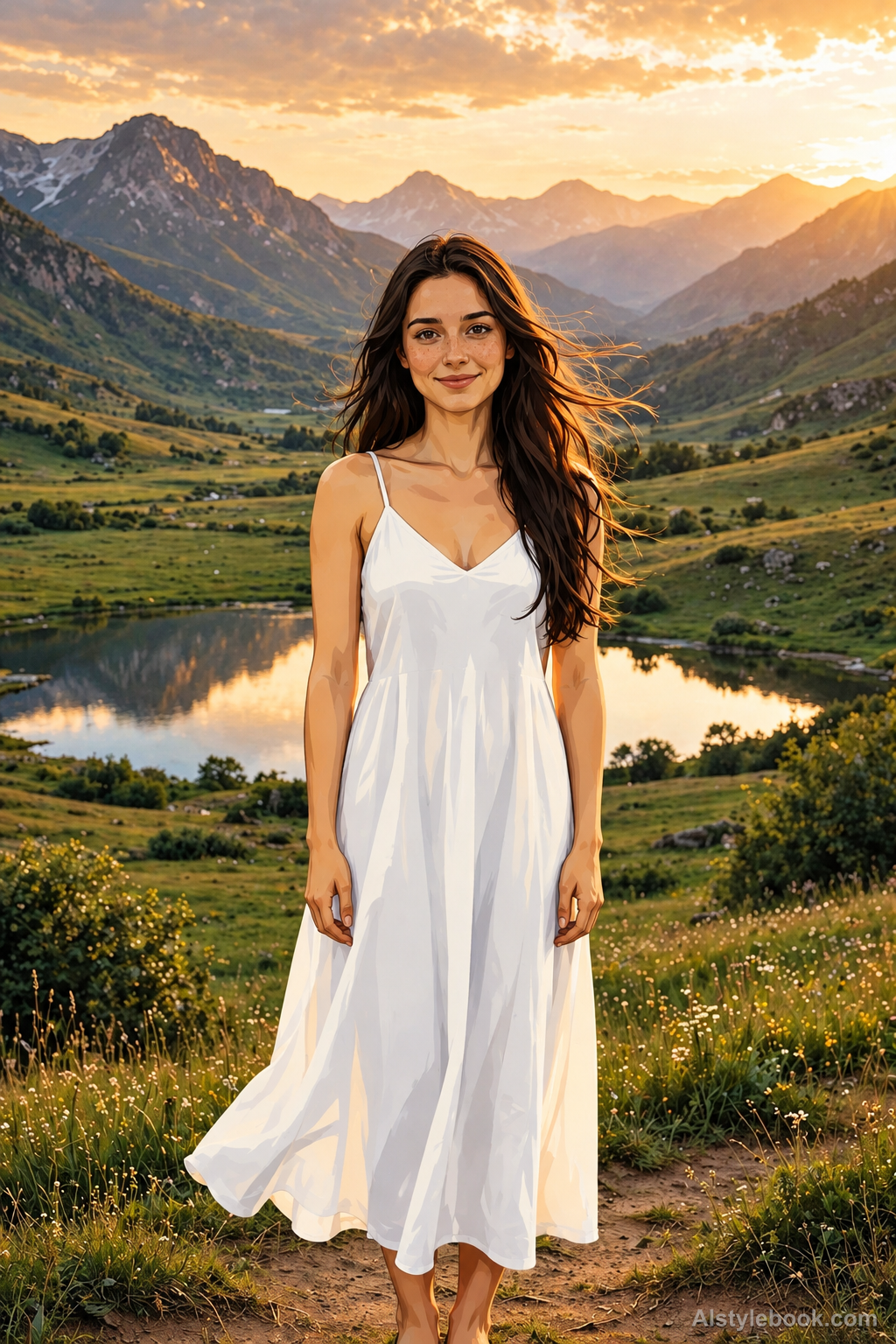
- Photographic features coexist with flat color, contrasting the recognizable face with graphic clothing or background.
- Landscape
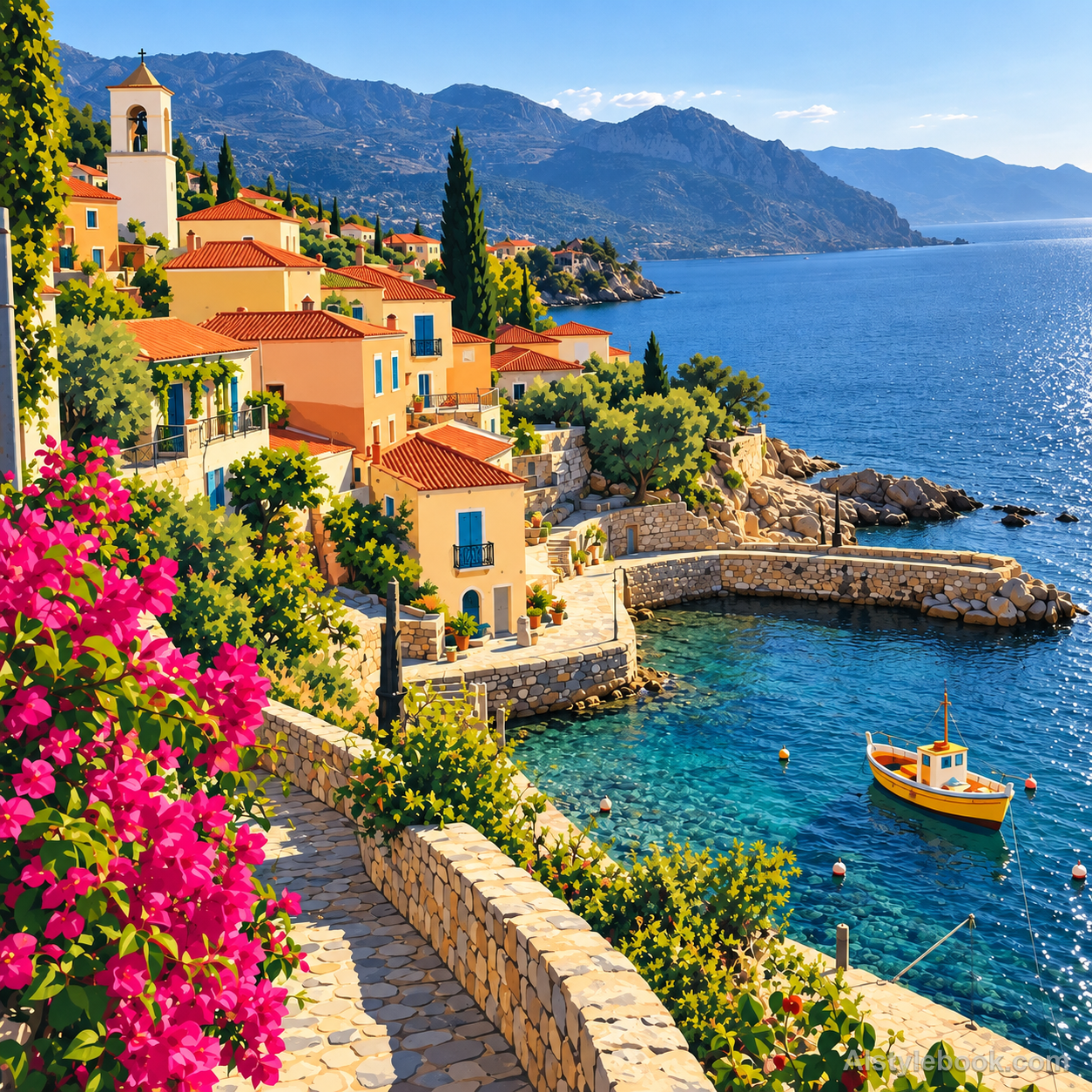
- Flat shapes interrupt real buildings and plants, simplifying selected spatial areas.
- Objects
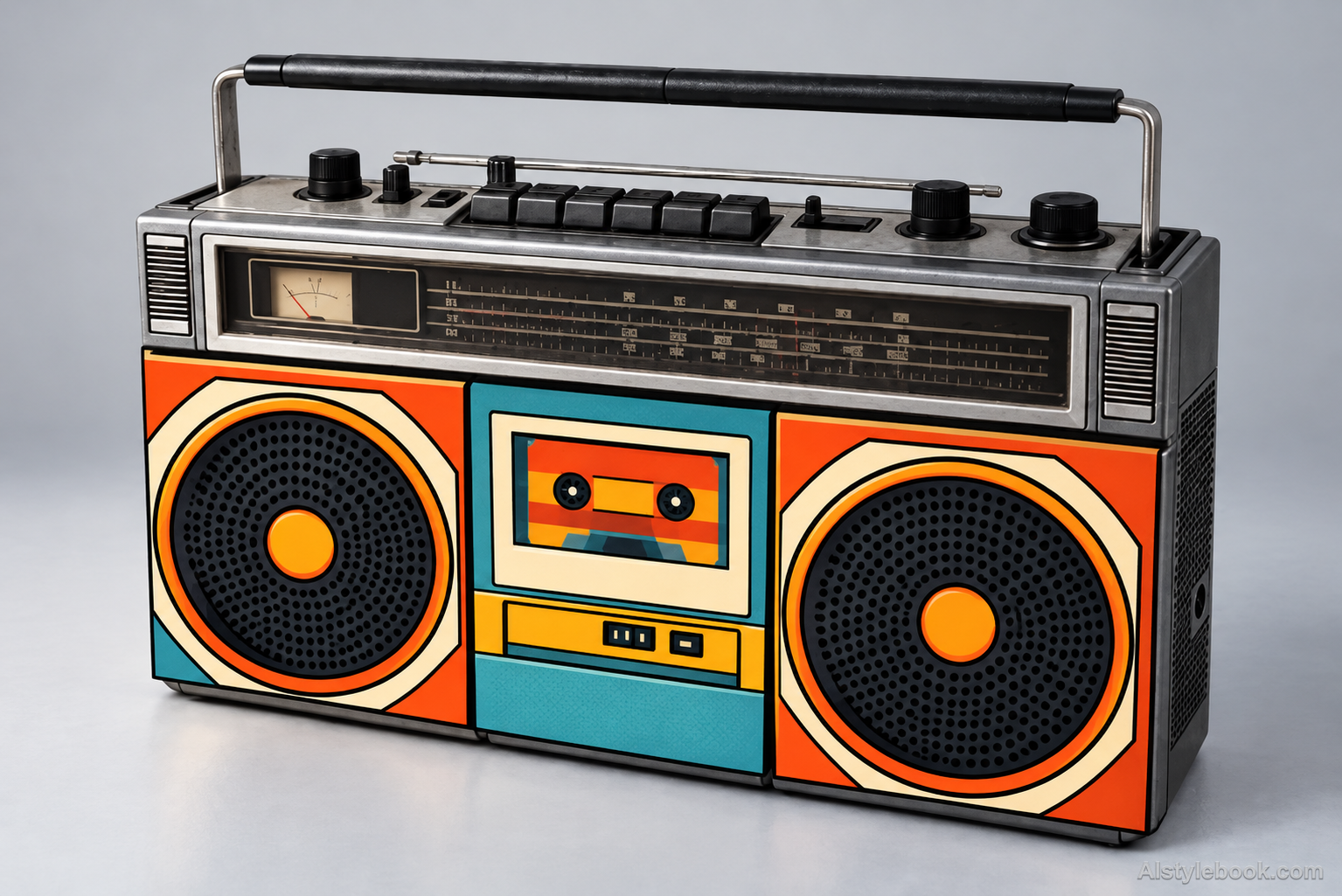
- Some materials stay photographic while flat color and geometry emphasize contours or shadows.
- Subjects
- Choose clean portraits, freestanding buildings or products so photographic and flat-color areas can support each other.
Variant relationship
A flat-illustration mixed-media variant of photographic collage. Compare with Surreal Collage.
Surreal Collage often combines separate images into new spatial relationships. This variant keeps one source scene and converts only selected regions into flat illustration, directly contrasting photographic detail and simplified color.
Bring the style to your photos
Reusable style prompt for Photography and Flat-Color Mixed Media
Keep one coherent source scene and its original spatial relationships. Retain photographic light, material and fine detail in one substantial source-defined region while converting another substantial region into crisp saturated flat-color illustration. Prefer the primary subject against a photographic environment; for a single isolated object, contrast an illustrated component with photographic surrounding material. Match boundaries, perspective and scale precisely so the two media form one picture. Avoid full-frame cartoon conversion, unrelated image fragments, new characters or props, outlined stickers, decorative neon edges, captions and branding.Use the same style prompt for portraits, landscapes and objects.
Create with this styleKeep exploring


