
Illustration & Design
Reaction-Diffusion Image
Style guide
Rounded branching bands, spots and cellular islands rebuild image tones through changing width and density.
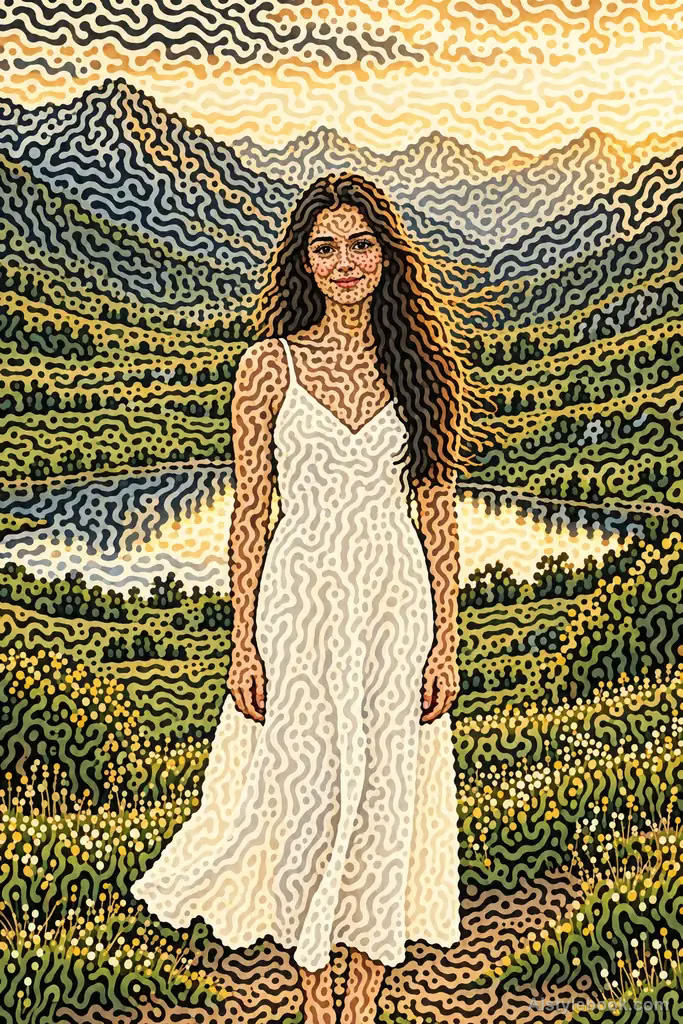
PortraitStyle effect
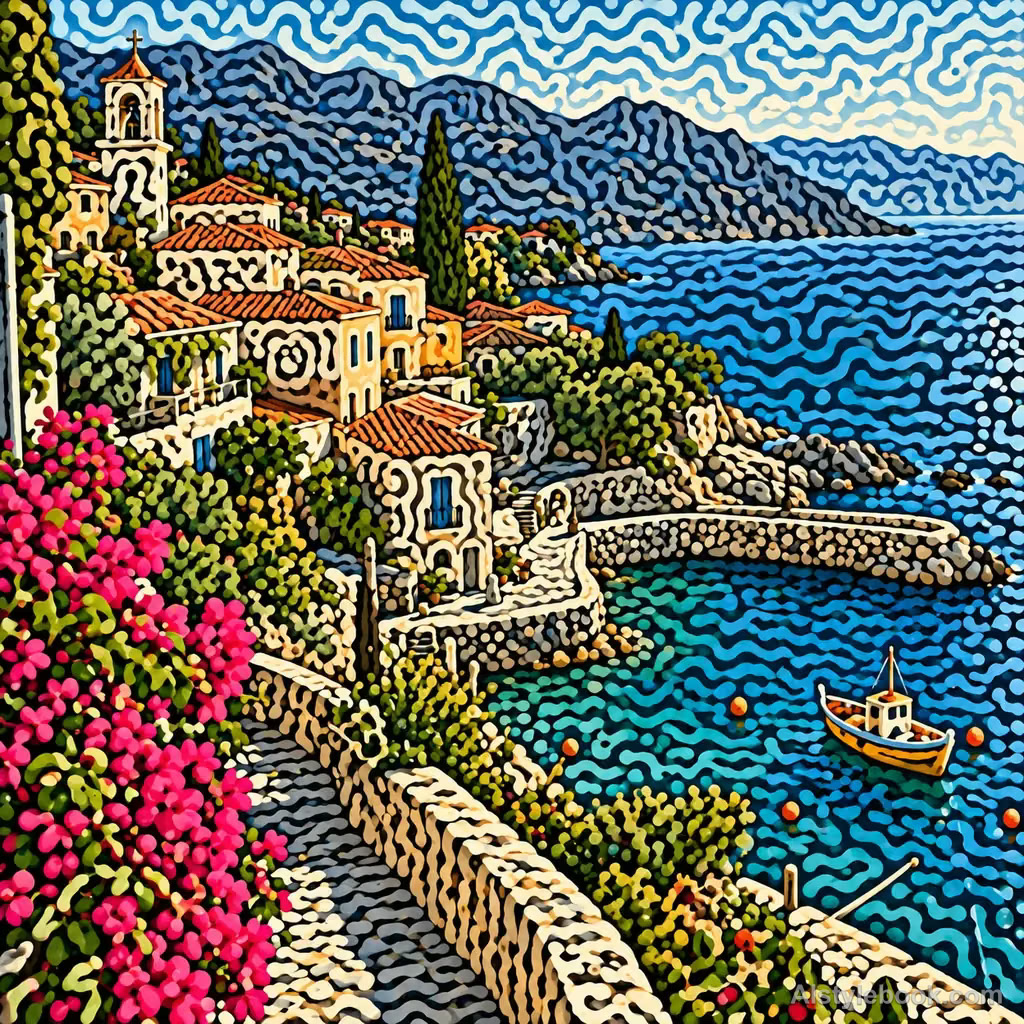
LandscapeStyle effect
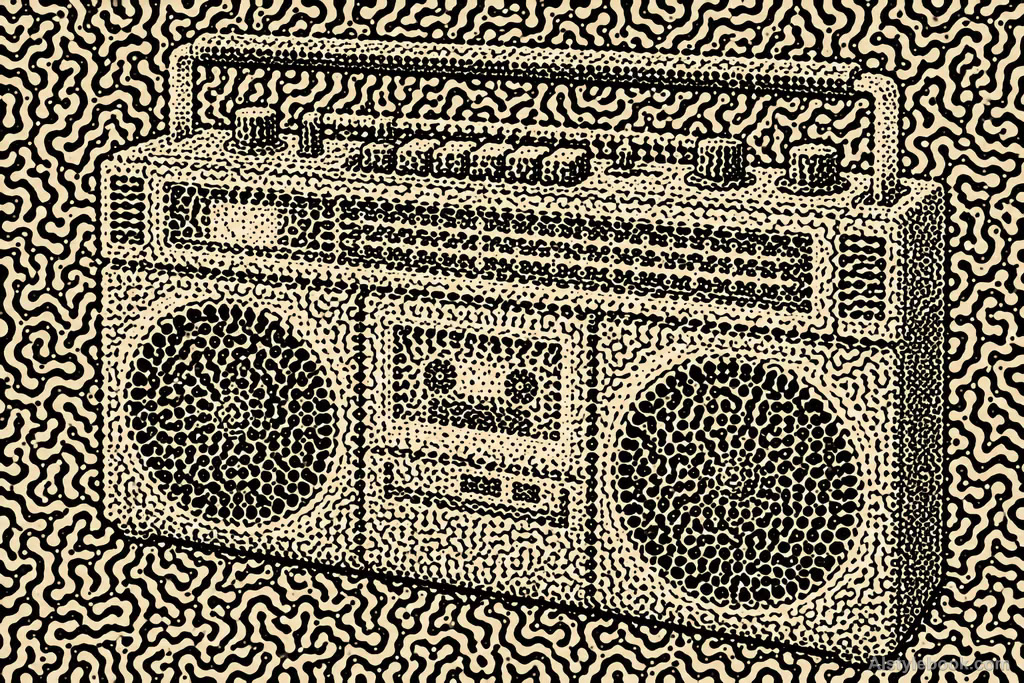
ObjectsStyle effect
The visual language
What is Reaction-Diffusion Image?
Rounded branching bands, short spots and cellular islands grow continuously across the image. Width and density change with tone, reading as organic texture up close and the subject from afar.
Reaction-diffusion generates related spots and bands through local interactions and diffusion.
Dense maze regions and sparse islands can encode a face while preserving the sense of one evolving pattern system.
How the style changes different subjects
- Portrait
- Pattern density, width and curvature reveal face and body while local motifs dominate close viewing.
- Landscape
- Scenery merges into geometric or organic bands whose variation conveys distance.
- Objects
- Objects appear as local changes in a pattern field rather than literal reflections and colors.
- Subjects
- Choose large side-lit portraits, spheres, plants or simple objects with strong broad tones.
Bring the style to your photos
Reusable style prompt for Reaction-Diffusion Image
Construct the entire image from reaction-diffusion-like organic patterns. Rounded branching worm-like bands, short spots and cellular islands grow continuously, with black and warm-ivory bands changing width and density according to local tone. Close up, only smooth bifurcating patterns appear; from afar the subject and space remain clear. Introduce very restrained source-derived color inside selected bands while maintaining coherent organic growth rhythms.Use the same style prompt for portraits, landscapes and objects.
Create with this styleKeep exploring


