
Illustration & Design
Semi-Realistic Digital Illustration
Style guide
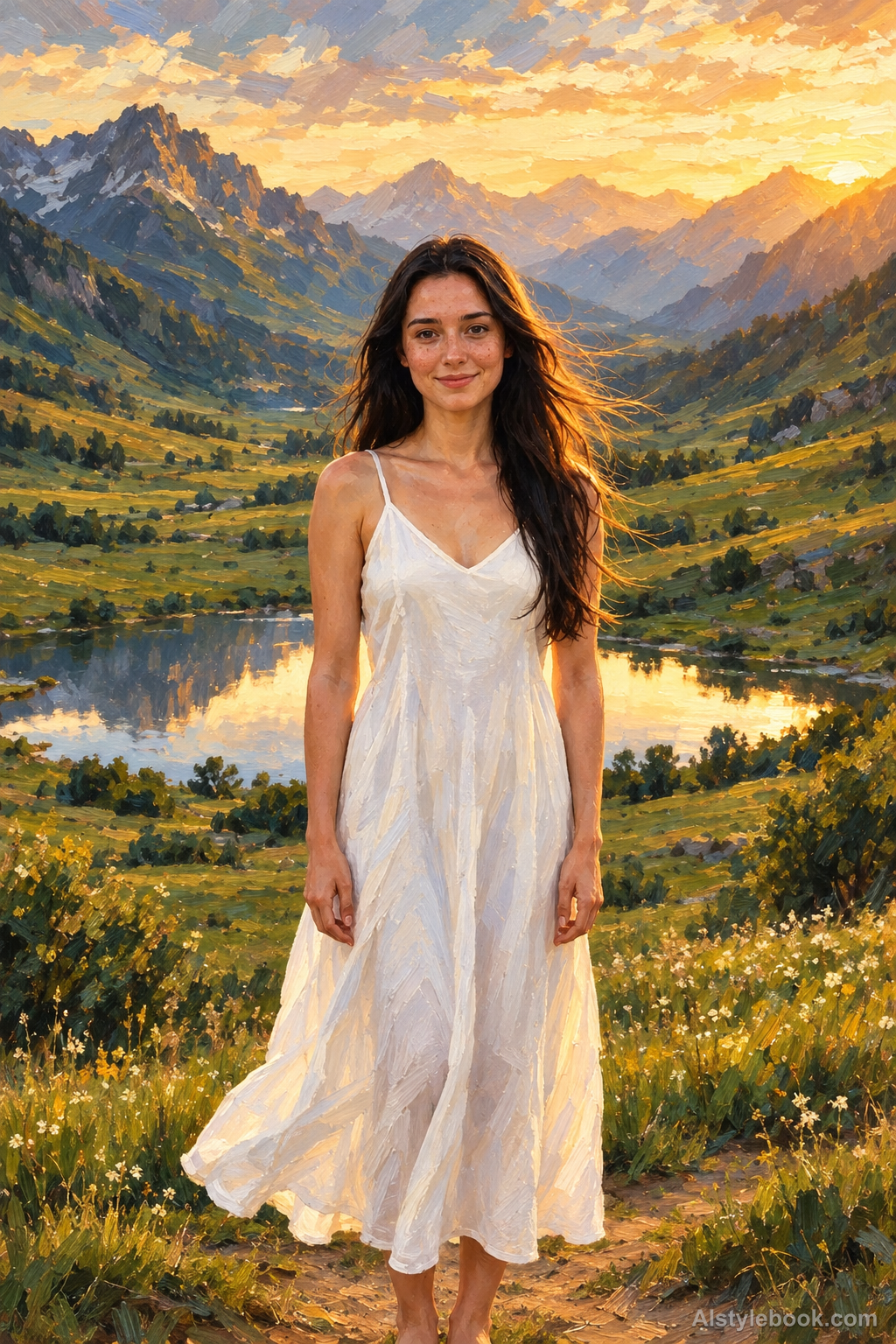
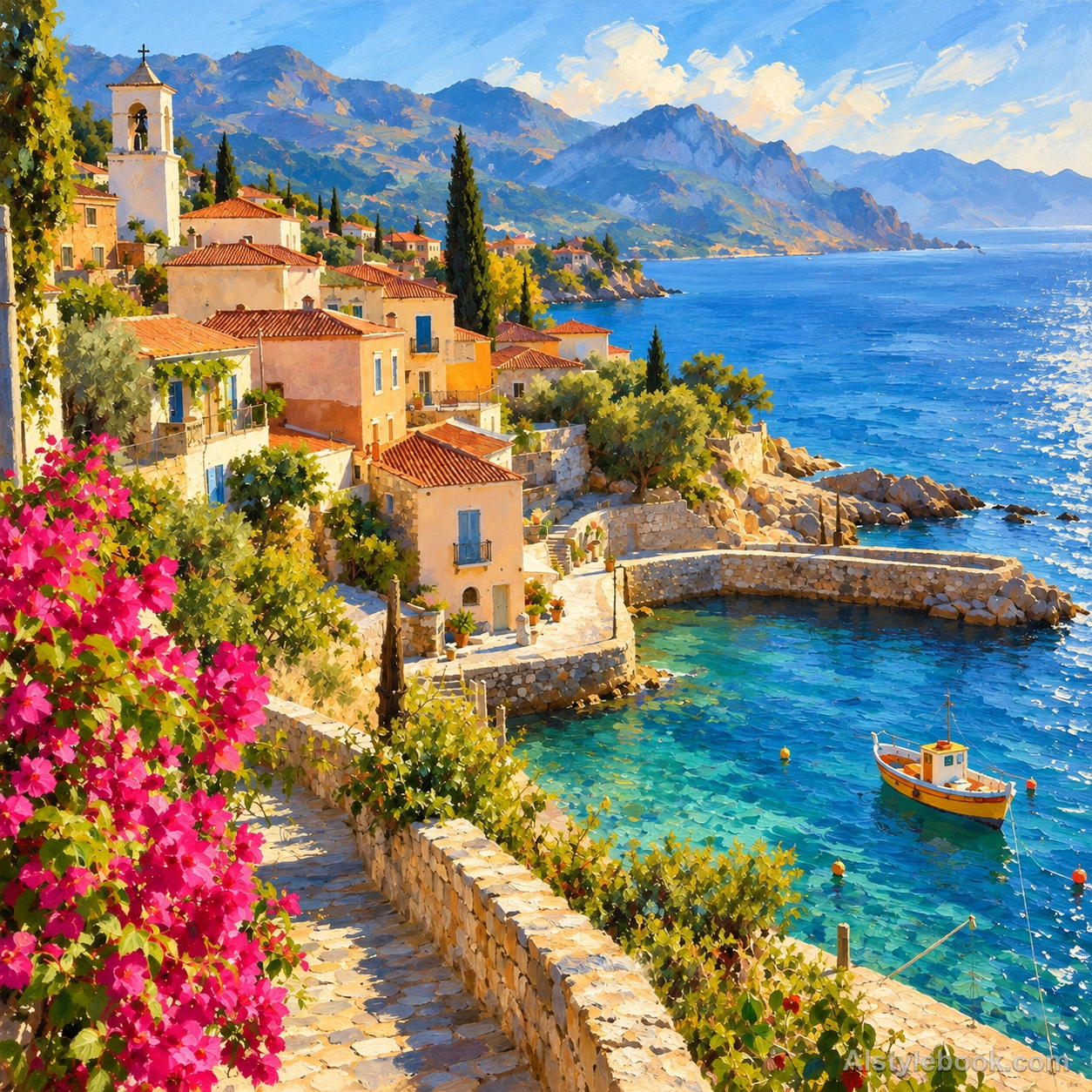
Believable proportions meet visible digital brushwork and simplified form turns.

The visual language
What is Semi-Realistic Digital Illustration?
Believable proportions meet visible digital brushwork and simplified form turns. Clear focal edges alternate with softer secondary passages and a more unified painted palette.
Semi-realistic digital illustration retains credible form while selectively simplifying edges and color.
Detailed eyes beside broad coat strokes and a unified background can focus attention more deliberately than an evenly detailed photograph.
How the style changes different subjects
- Portrait
- Near-natural proportions retain recognizable features while skin and clothing become painted color planes.
- Landscape
- Buildings, plants and lighting stay recognizable but become more consistently illustrated.
- Objects
- Structure remains intact while reflections and textures turn into strokes or color shapes.
- Subjects
- Choose portraits, streets, pets or well-defined still lifes when retaining the source subject's identity matters.
Variant relationship
A digital-painting variant of realistic rotoscope interpretation. Compare with Rotoscoped Realism.
Realistic Rotoscope tends to follow photographic boundaries with clear divisions. This variant reselects edges through brushwork, retaining realistic key features while secondary passages show directional painted marks.
Bring the style to your photos
Reusable style prompt for Semi-Realistic Digital Illustration
Keep the source proportions, identity, pose, materials and scene composition. Repaint as semi-realistic digital illustration, retaining believable anatomy and perspective while making deliberate directional brushwork visible. Resolve focal features with crisp selected edges and simplify secondary regions into broader softly joined painted planes. Harmonize the source colors without changing the lighting story. Make the whole image visibly painted rather than a photo filter. Avoid cel-shading outlines, pixel grids, broad plastic airbrushing, heavy impasto, pore-level photorealism, extra detail, new props or typography.Use the same style prompt for portraits, landscapes and objects.
Create with this styleKeep exploring


