
Photography & Film
Sabattier Solarization
Style guide
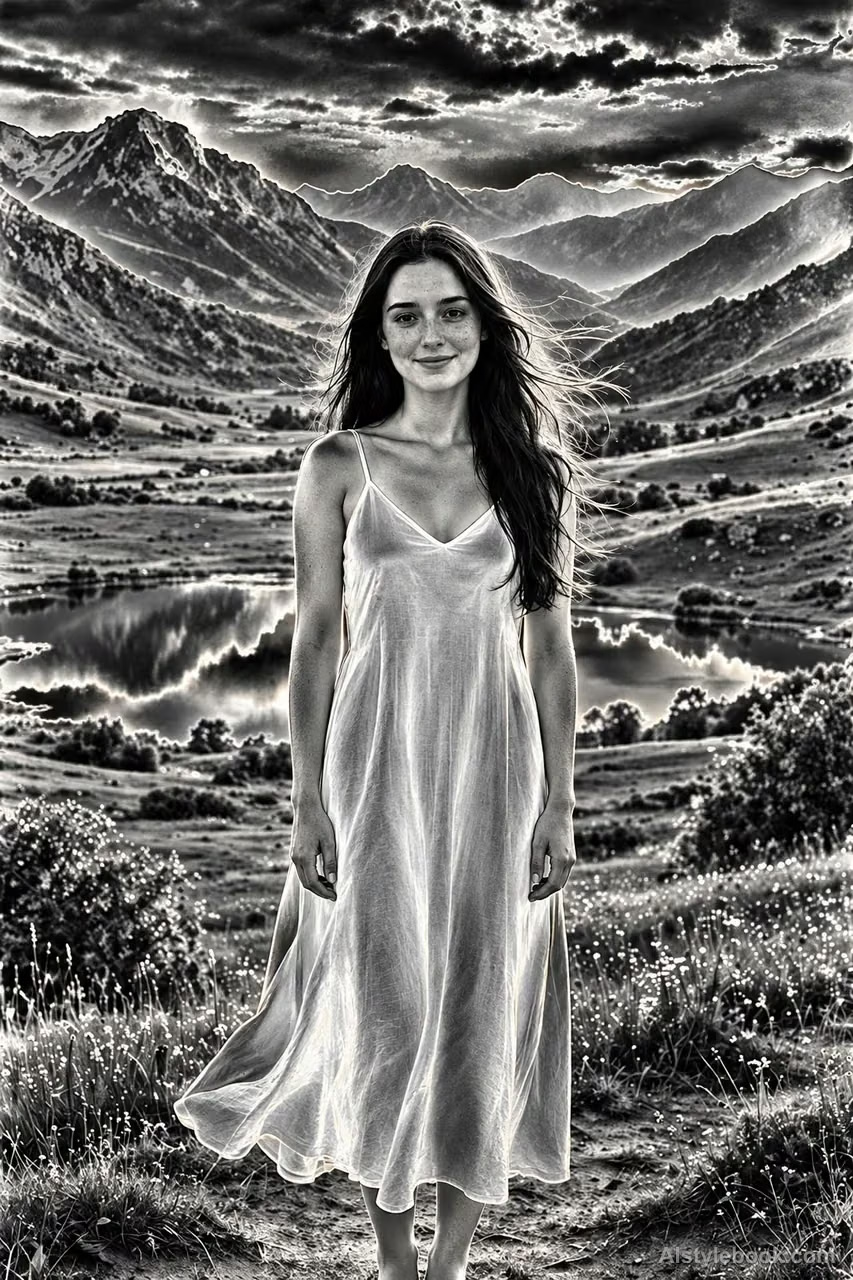
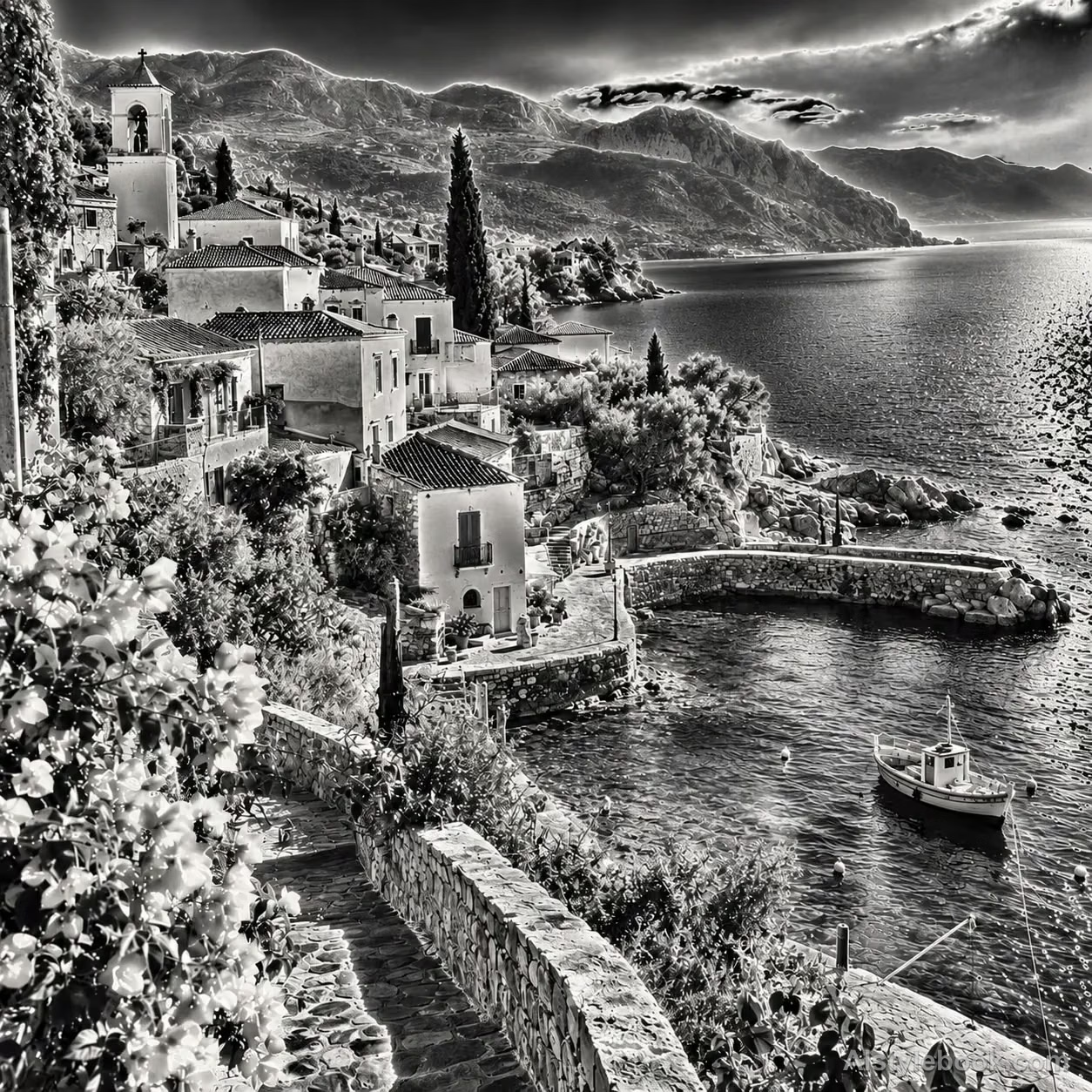
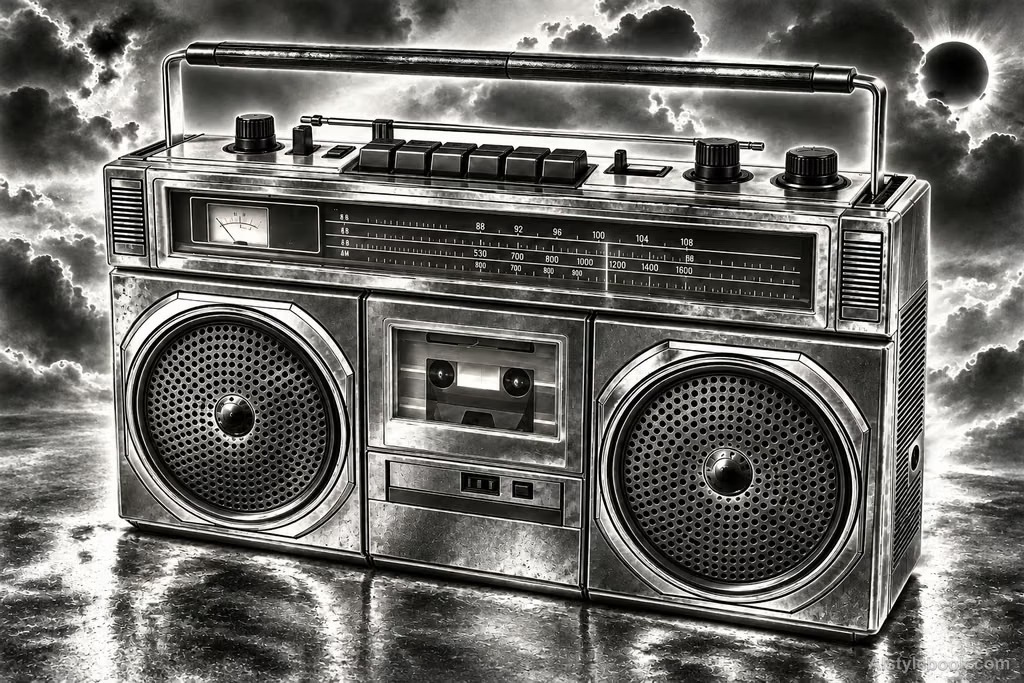
Positive and negative tones coexist locally, with silver-gray layers and fine light-dark edge lines creating a distinctive partial reversal.
The visual language
What is Sabattier Solarization?
Positive and negative tones coexist locally, with silver-gray regions departing from ordinary photographic tonal order. Fine light-dark edge lines separate the form within reversed tones, retaining an experimental-darkroom character.
The Sabattier effect combines partial tonal reversal with characteristic edge lines during darkroom processing.
A face with mixed positive and reversed values can remain recognizable while appearing strangely metallic.
How the style changes different subjects
- Portrait
- Partial tonal reversal and narrow contour lines turn facial shading into experimental silver-gray tones.
- Landscape
- Unexpected light-dark relationships make familiar scenery strange while retaining structure.
- Objects
- Reversed highlights and shadows produce unusual edge lines around glossy objects.
- Subjects
- Choose side-lit portraits, branches, buildings or reflective objects with varied tones and clear edges.
Background
MoMA discusses Miller’s practice involving partial tonal reversal in Man Ray’s darkroom. The Sabattier-style language here centers on coexisting positive-negative tones and edge lines without attributing the effect’s invention to a single artist.
Artists & practitioners
Creators to know
Lee Miller
Her experiments in Man Ray’s darkroom directly connect her work with solarized imagery.
Bring the style to your photos
Reusable style prompt for Sabattier Solarization
Reorganize the image through Sabattier solarization, allowing positive and locally reversed negative tones to coexist within the same forms. Give silvery midtones an almost metallic character; turn selected highlights dark beside ordinary shadows and place fine paired light-and-dark lines along contours and tonal boundaries. Control the reversed regions and grayscale transitions so the subject remains clearly structured and the effect arises from localized tonal reactions.Use the same style prompt for portraits, landscapes and objects.
Create with this styleKeep exploring


