
Textiles & Embroidery
Silk Shading Embroidery
Style guide
Single silk strands interlock in long-and-short gradients, with directional stitches and tiny entry points creating smooth, flat silk luster.
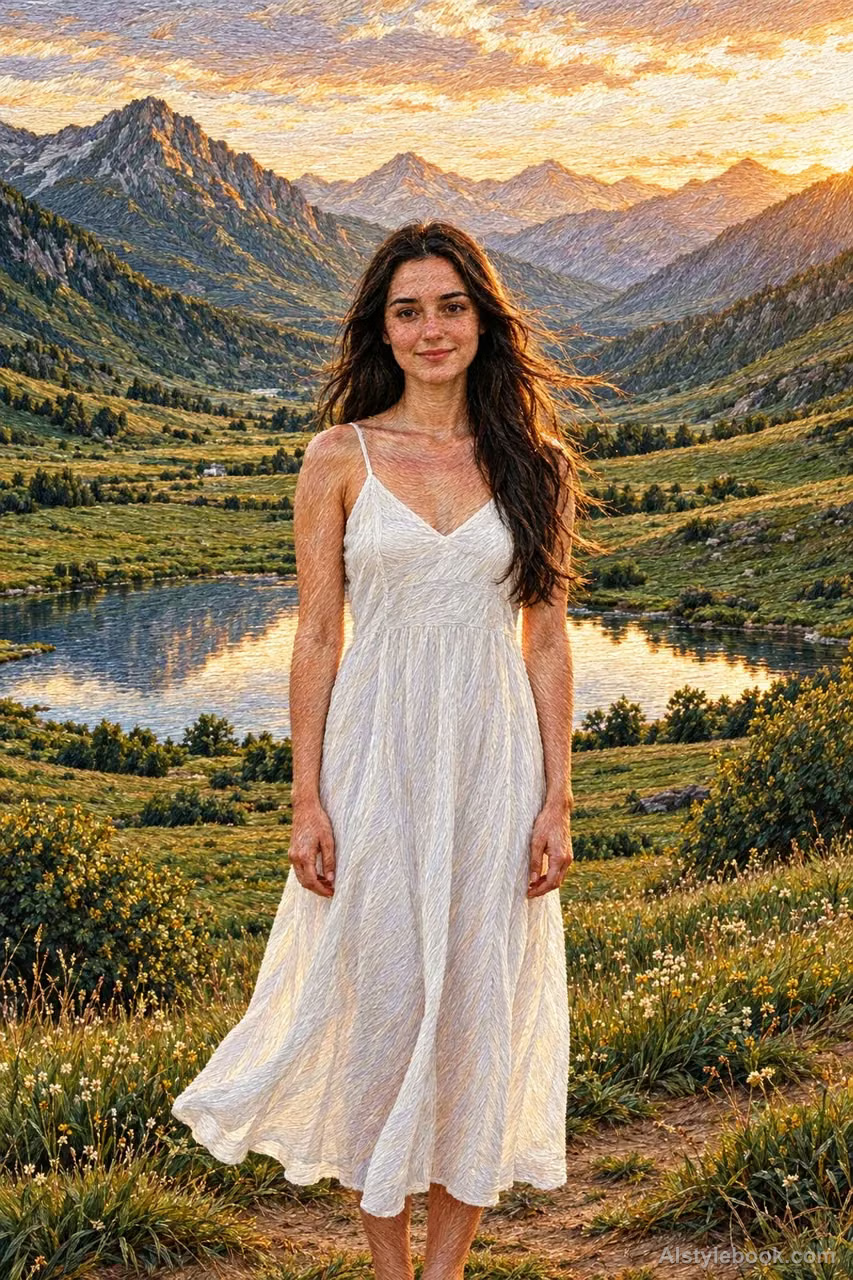
PortraitStyle effect
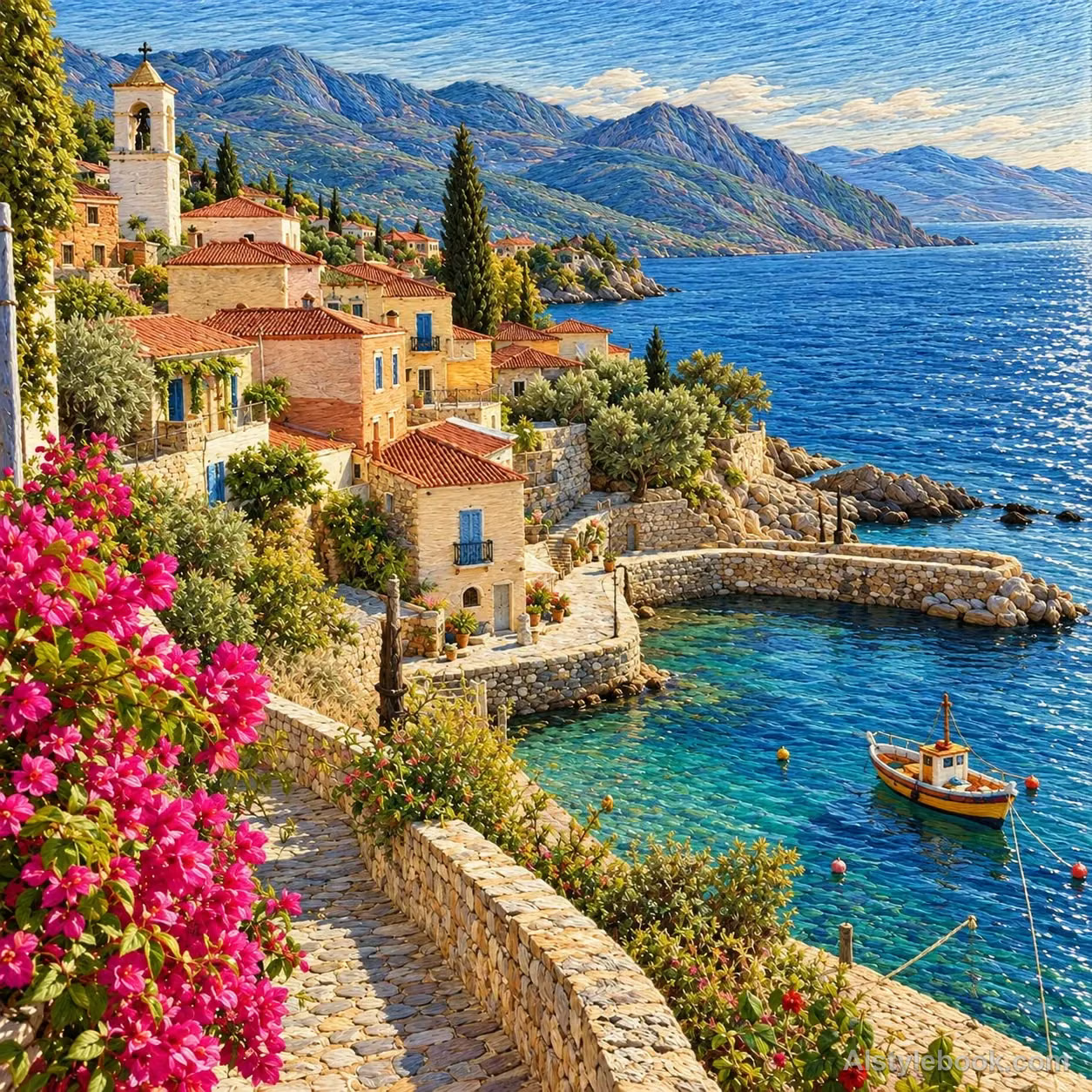
LandscapeStyle effect
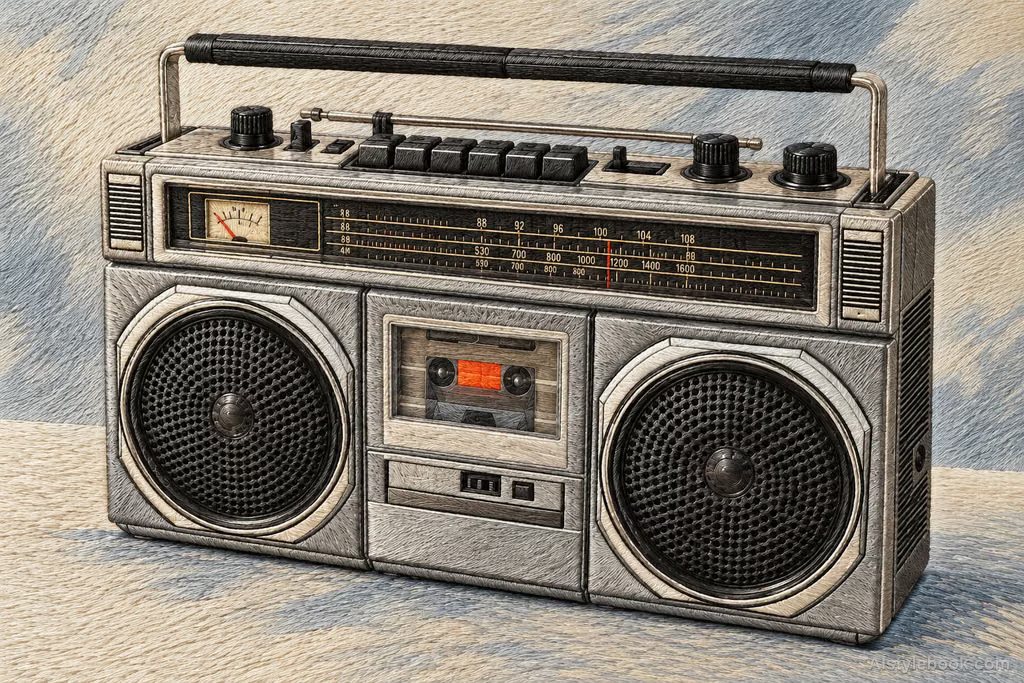
ObjectsStyle effect
The visual language
What is Silk Shading Embroidery?
Single silk strands blend color with interlocking long-and-short stitches, their direction following feathers, petals or facial turns. Tiny entry points and a low, smooth surface preserve fine handwork as the sheen shifts gently.
Silk shading blends colors through interlocking long and short stitches that follow form.
A bird's chest can fade from gray to warm white, with individual threads becoming apparent only nearby.
How the style changes different subjects
- Portrait
- Directional stitches build skin, hair and clothing, translating facial detail into thread layers.
- Landscape
- Stitch direction separates plants, roofs and terrain; thread sheen and fabric contribute volume.
- Objects
- Changes in stitch direction explain curved surfaces and essential construction.
- Subjects
- Choose flowers, birds, pets, clear portraits or small treasures large enough to hold stitch detail.
Bring the style to your photos
Reusable style prompt for Silk Shading Embroidery
Embroider the entire image with fine silk shading. Interlock long and short single-strand stitches in successive layers, directing them along existing contours and curves. Closely graded neighboring colors model soft volume and let staggered stitches dissolve boundaries. Retain visible silk luster and tiny entry points at close range, with a softly textured, flat fabric ground. Side light produces fine directional sheen, keeping the surface delicate, close-fitting and structurally clear.Use the same style prompt for portraits, landscapes and objects.
Create with this styleKeep exploring


