
Textiles & Embroidery
Embroidery Patch
Style guide
Long-and-short and satin stitches follow the forms; linen weave and slightly raised fine threads convey delicate, gentle hand embroidery.
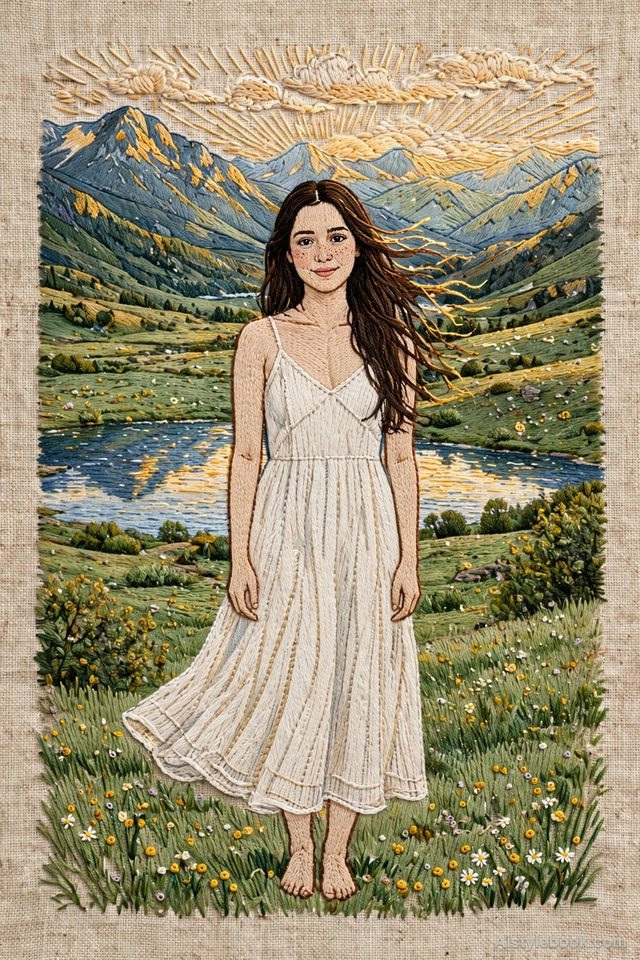
PortraitStyle effect
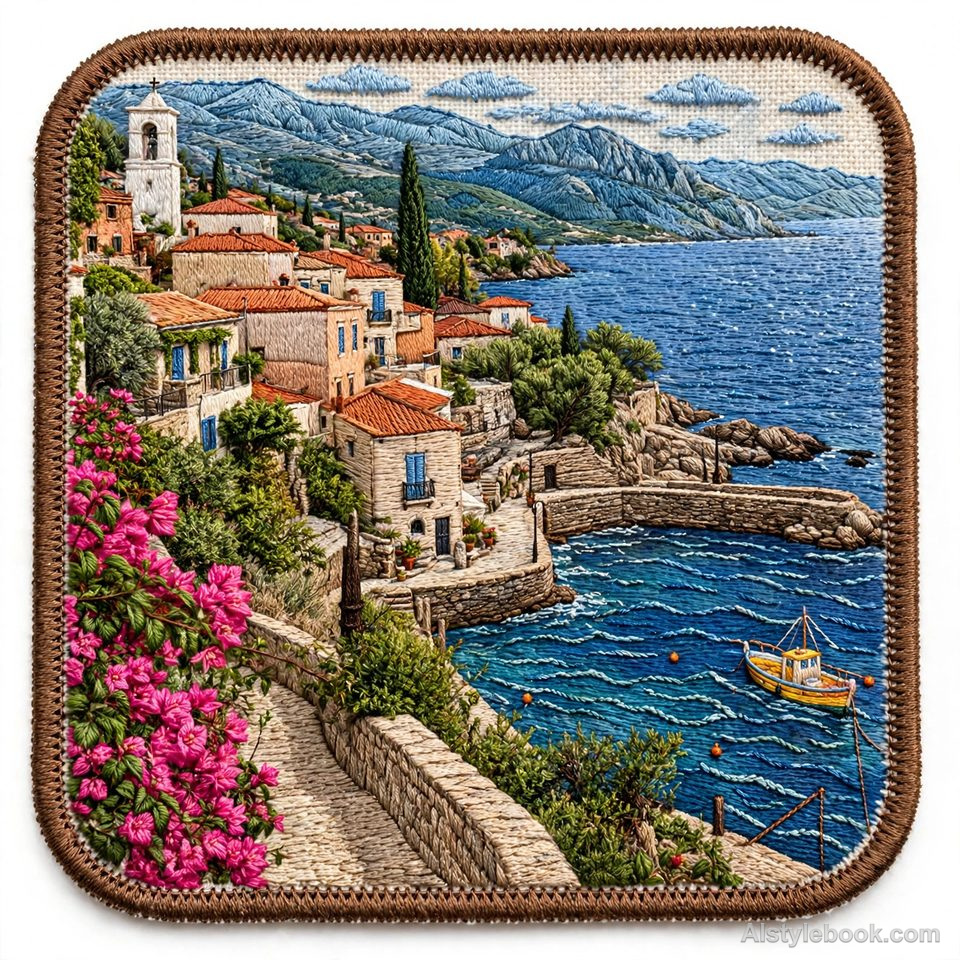
LandscapeStyle effect
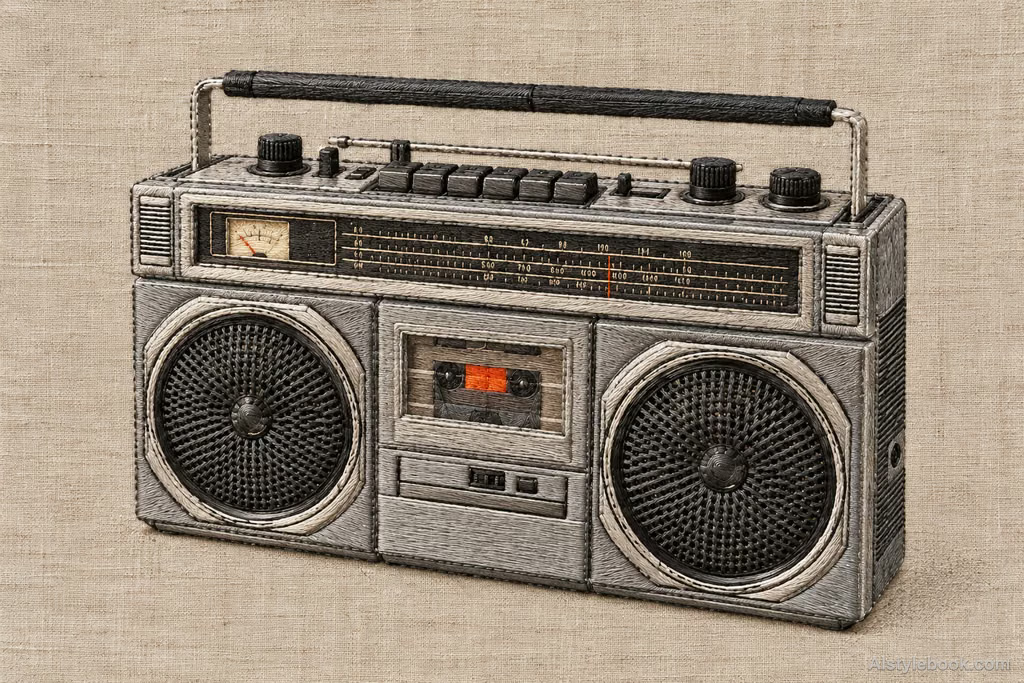
ObjectsStyle effect
The visual language
What is Embroidery Patch?
Long-and-short stitches shift direction to blend shadows, while satin stitching clarifies the outline. Fine raised thread against broad linen gives the image a quiet, handmade scale.
Embroidery uses stitch direction to describe both form and the sheen of thread.
Petal stitches converging at a center and leaf stitches following veins can merge into a coherent image from farther away.
How the style changes different subjects
- Portrait
- Directional stitches build skin, hair and clothing, translating facial detail into thread layers.
- Landscape
- Stitch direction separates plants, roofs and terrain; thread sheen and fabric contribute volume.
- Objects
- Changes in stitch direction explain curved surfaces and essential construction.
- Subjects
- Choose flowers, birds, pets, clear portraits or small treasures large enough to hold stitch detail.
Bring the style to your photos
Reusable style prompt for Embroidery Patch
Translate the subject into delicate hand embroidery. Let long-and-short stitch, satin stitch, and outline stitch change direction with the structure, modeling light and shade through thread density and subtle color differences. Show fine natural linen weave, genuine thread fibers, slight relief, and soft contact shadows. Keep the distilled image centered with generous empty cloth around it. Use warm, restrained colors, balancing tiny stitches against broad woven space for a quiet sense of scale.Use the same style prompt for portraits, landscapes and objects.
Create with this styleKeep exploring


